

Market behavior in wartime: Gold falls, Bitcoin rises, and the dollar dominates
The first twenty days of a regional conflict in 2026 reveal that traditional safe havens no longer guarantee security, as liquidity and speculation drive short-term market movements.



 Messenger
 Whatsapp
 Threads
 Email
Email
 Print
Print
 X
X
 Facebook
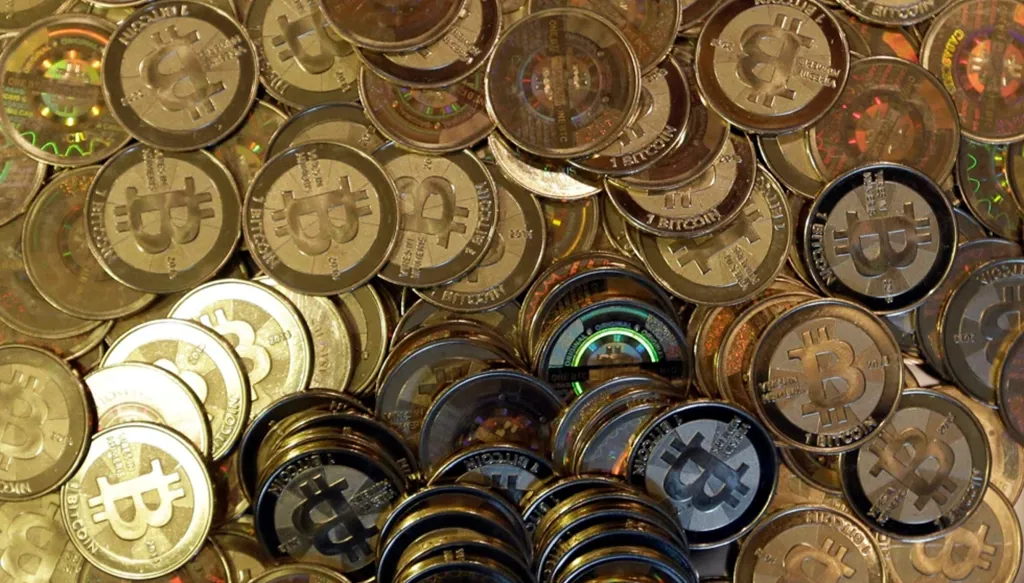


During times of war, markets do not move solely out of fear; they respond to a delicate balance between global liquidity, interest rates, and economic expectations. In the first twenty days of a major regional conflict in 2026, clear shifts emerged in investor behavior, especially in how they treated gold and Bitcoin, two assets traditionally seen in very different ways: gold as a safe haven and Bitcoin as a high-risk digital asset.
At the onset of the war, markets experienced a double shock. Oil prices rose by more than fifty percent in a short period, approaching 120 dollars per barrel. This increase could directly affect global inflation expectations, potentially pushing them up by about one percent, while the US dollar gained nearly 2.5 percent during the first twenty days. Together, these factors set the overall context in which markets moved.
In the early days of the war, specifically between the first and fifth day, gold followed the traditional pattern, rising by about one percent on the first day as investors rushed toward safe-haven assets. This initial surge was driven by panic and uncertainty, as investors typically seek to protect their capital by turning to gold at the start of crises.
However, this trend did not last long. From the fifth day until the twentieth, gold gradually lost momentum and began to decline, dropping by about 3.1 percent during the first two weeks and reaching a total fall of around seven percent from its highest level by the twentieth day of the war. This decline was not random but resulted directly from the strengthening US dollar, expectations of continued tight monetary policy with high interest rates, reductions in gold purchases by some central banks, and profit-taking after the earlier price surge.
Following the Federal Reserve meeting on Wednesday evening and its hawkish tone indicating that interest rate cuts would occur only once in 2025 and once in 2026, pressure on gold continued. It traded within a range of 4,700 to 4,900 dollars per ounce after previously exceeding 5,000 dollars. This phase reflected a temporary balance between buying and selling forces, leaving gold with an estimated total loss of around seven percent over the twenty-day period.
Meanwhile, Bitcoin rose during this period due to a combination of interconnected financial factors rather than because it became a fully safe haven. Initially, global liquidity played a key role, as any increase of about 0.5 to 0.8 percent in liquidity was reflected in a rise of approximately 2 to 4 percent in its price during the first two weeks.
Demand for financial hedging outside the formal system also increased, especially amid concerns about sanctions and restrictions, leading to a rise in network usage of between ten and eighteen percent. At the same time, the weakness of some local currencies in conflict zones contributed to an increase in Bitcoin demand, reaching up to fifteen percent in certain markets.
Institutional flows also supported the price, with liquidity entering through investment funds estimated between 300 and 800 million dollars over roughly twenty days. In addition, more than sixty-five percent of the supply remained held rather than sold, reducing market availability and helping to support prices.
Speculation and higher trading volumes, which rose between twenty-five and forty percent, also pushed the price upward, particularly with the liquidation of large short positions. For example, liquidating positions worth one billion dollars could quickly raise the price by around two to three percent.
Therefore, Bitcoin’s rise was the result of a combination of liquidity, demand, and speculation rather than a single factor. Comparing gold and Bitcoin during this period reveals a fundamental difference in their responses to crises. Gold behaved as a traditional hedging asset, rising initially by one percent before entering a correction phase that led to a decline of about seven percent under the pressure of the US dollar and monetary policy. In contrast, Bitcoin acted as a highly liquidity-sensitive asset, benefiting from cash inflows and speculative activity that supported its price despite volatility. It was driven by rising demand for hedging outside the formal financial system, meaning it did not serve as a traditional safe haven but as an asset that responds quickly to liquidity and risk.
Most importantly, the US dollar emerged as the biggest winner during this period. While it rose by about 2.5 percent, gold fell by roughly seven percent, reflecting a shift in investor preference toward liquidity rather than traditional assets. This change indicates that global markets have entered a new phase in which the old rules are no longer sufficient to understand asset movements.
In light of these developments, these twenty days demonstrate that risk management during wartime has become more complex. Gold is no longer an absolute guarantee, Bitcoin has not become a safe haven, and liquidity, represented by the US dollar, has become the decisive factor in short-term investment decisions.