

Crude prices spike as freighter traffic effectively halted through Strait of Hormuz
Brent crude hit $82.53 today as United States and Israel continued strikes on Iran. Iraqi output cuts and tanker disruptions have sparked supply fears worldwide.



 Messenger
 Whatsapp
 Threads
 Email
Email
 Print
Print
 X
X
 Facebook
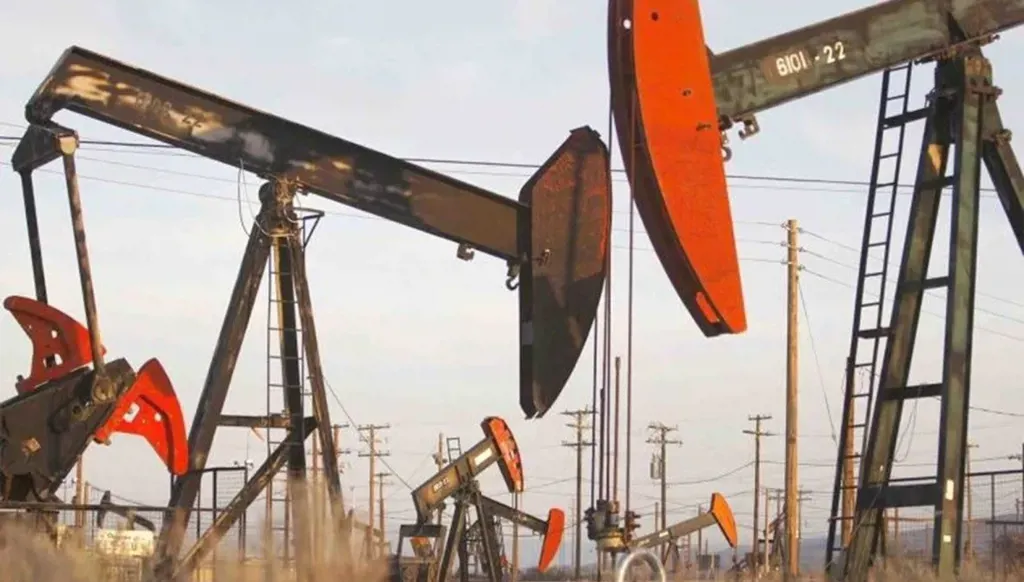


Oil prices rose by more than a dollar on Wednesday as the American‑Israeli war on Iran disrupted production in the Middle East and halted regional exports.
Brent crude increased by 1.4%, to $82.53 a barrel, following its highest closing level since January 2025 on Tuesday. U.S. West Texas Intermediate crude rose by 1.1%, to $75.37, after reaching its highest peak since June.
Israeli and American forces struck targets across Iran on Tuesday, prompting retaliatory attacks on energy infrastructure in a region that produces just under a third of the world’s oil output.
Officials told Reuters that Iraq, the second-largest crude oil producer in the Organization of the Petroleum Exporting Countries (OPEC), has cut production by about 1.5 million barrels per day—roughly half of its output—due to limited storage capacity and a lack of an export outlet. They added that the country might have to halt production of nearly three million barrels per day within days if exports do not resume.
Iran has targeted oil tankers in the Strait of Hormuz, through which about one‑fifth of the world’s oil and liquefied natural gas supplies pass. Traffic has effectively stopped for the fourth consecutive day after Iran attacked five ships.
However, comments from U.S. President Donald Trump that the U.S. Navy could start escorting oil tankers through the Strait of Hormuz, if necessary, helped cap crude price increases.
Trump said he had ordered the U.S. International Development Finance Corporation to provide insurance against political risks and financial guarantees for maritime trade passing through the Gulf.
However, ship owners and analysts questioned whether military escorts and insurance support would be sufficient to restore confidence.
Countries began searching for alternative routes and supplies. India and Indonesia said they are seeking other energy sources, while some Chinese refineries have either closed or submitted maintenance plans.
Sources reported that Saudi oil giant Aramco is seeking to redirect some of its crude oil exports to the Red Sea to avoid the Strait of Hormuz.
In the United States, market sources cited figures from the American Petroleum Institute showing that crude oil inventories rose by 5.6 million barrels last week, significantly exceeding analysts’ expectations of 2.3 million barrels. Official figures from the U.S. government are expected later today.