

Between recovery and collapse: The economic dimensions of refugee return



 Messenger
 Whatsapp
 Threads
 Email
Email
 Print
Print
 X
X
 Facebook
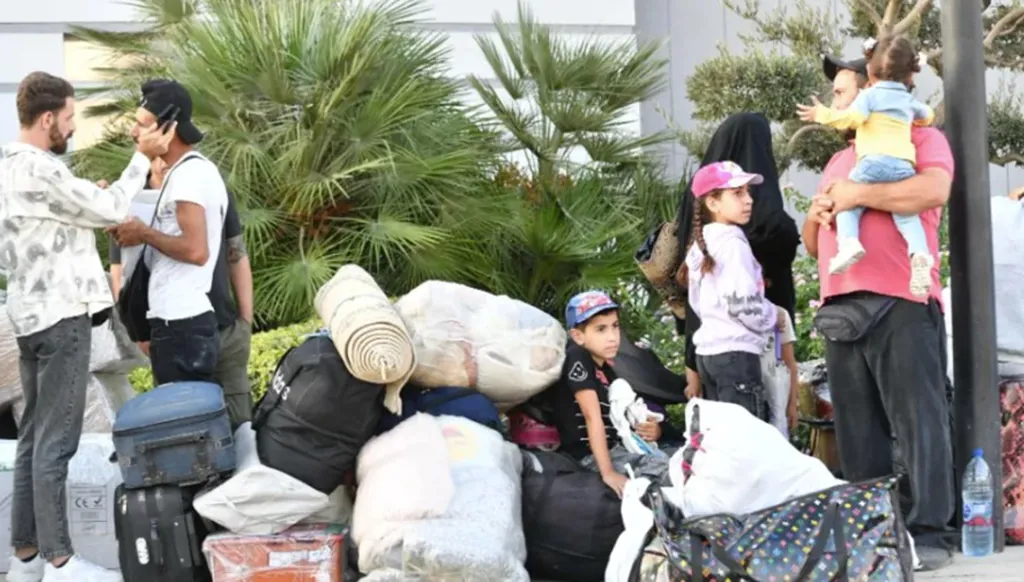


The return of Syrian refugees is considered one of the most significant humanitarian and political issues. Beyond its social and security implications, the economic dimension emerges as a decisive and highly influential factor in assessing this return. After years of forced displacement that resulted in the emigration of vast numbers of skilled professionals, laborers, and capital, fundamental questions are now being raised about the economic consequences of their decision to return.
The return is not merely a demographic shift; it represents an economic event capable of reshaping the labor market, infrastructure, and consumer demand within Syria. This return could provide a powerful impetus for reconstruction and growth by injecting expertise and financial resources accumulated abroad. For a more precise analysis of the economic aspects of this return, it is necessary to examine human capital, including the skills and expertise acquired in host countries, alongside a focus on material capacities, as returnees bring with them savings and medium-scale investments that contribute to increased liquidity and support the local economy.
Accordingly, Syria could witness progress as a result of refugee return through the stimulation of the construction sector and increased demand for housing. Domestic tourism, as well as commercial and industrial sectors, most notably pharmaceutical production, could also experience renewed activity. Conversely, the return of Syrian refugees carries serious humanitarian and economic risks. Returnees face harsh realities, including the destruction of infrastructure such as homes, schools, and hospitals; severe shortages of basic services like water and electricity; security threats stemming from landmines and unexploded ordnance, besides legal challenges related to property restitution and the loss of official documentation. All of these factors hinder safe and dignified reintegration.
In the same context, the influx of large numbers of returnees places enormous pressure on an already exhausted economy, intensifies unemployment, and increases competition over rare resources, particularly in the absence of adequate funding for reconstruction and rehabilitation projects. This threatens to transform the return into a new cycle of suffering and instability. Statistically, it is crucial to highlight the humanitarian reality awaiting returnees: more than 90% of Syrians live below the poverty line, and 17 million people inside the country require humanitarian assistance to meet their basic needs. Additionally, 14 million citizens are in need of food aid, making the revival of the agricultural sector and food security a top priority.
Reports confirm that the path toward a safe and sustainable return of refugees to Syria following the fall of the regime remains fraught with obstacles. It requires a comprehensive plan from the new Syrian government, supported by strong international funding, effective oversight, and broad political backing. Despite substantial aid pledged by Gulf countries and the European Union, current funding levels remain insufficient. Ensuring property rights is also a major challenge, as laws from the former regime still allow for the confiscation of displaced persons’ assets.
To address this crisis, the establishment of an independent international property claims commission - modeled on the experience of Bosnia and Herzegovina - has been proposed. It is clear that Syria will not be ready to welcome back its citizens without achieving four fundamental pillars: security and minority protection, guaranteed property rights, the rebuilding of service facilities and the resolution of the landmine crisis.
In conclusion, the return of Syrian refugees is a double-edged sword. It offers a potential economic boost by bringing back skills, experience, and capital gained abroad. These assets could support recovery in sectors such as construction, housing, and industry. However, severe humanitarian and security challenges overshadow these opportunities. Without adequate infrastructure, services, and jobs, return risks deepening poverty and unemployment.