

The 2025 Ruble surge: Russia’s unexpected currency comeback
Despite sanctions and economic pressure, the ruble soared, boosting confidence and consumer power—but budget and export pressures leave its future uncertain.



 Messenger
 Whatsapp
 Threads
 Email
Email
 Print
Print
 X
X
 Facebook
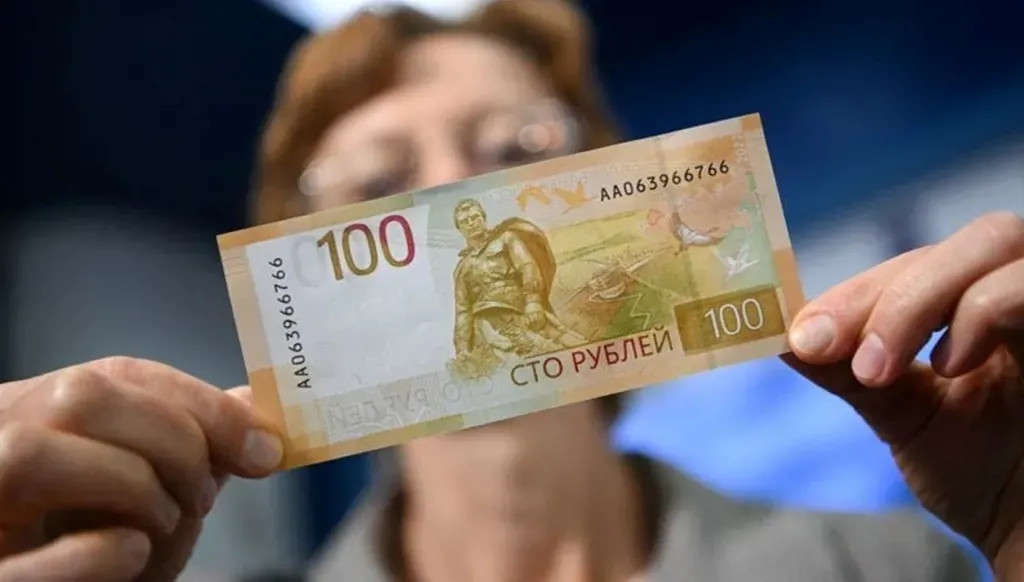


The rise of the Russian ruble in 2025 was far from a minor financial detail. Against all expectations—amid strict sanctions, the ongoing Russian-Ukrainian war, and falling oil revenues—the ruble strengthened, becoming one of the year’s most remarkable economic stories.
The independent Russian outlet "The Bell" reported that the ruble rose about 44 percent against the dollar in 2025, making it the best-performing currency in the world. Only gold, which increased by 72 percent, and silver, which surged roughly 159 percent among major traded commodities, outperformed it. Over the course of less than a year, the exchange rate moved from around 103 rubles per dollar to approximately 79 rubles, defying the political and economic pressures that would normally weaken a currency rather than strengthen it.
Monetary policy stabilization without frills
Data from the Russian Central Bank shows that the ruble began strengthening gradually at the start of the year. In less than nine months, its exchange rate fell from over 100 rubles per dollar to around 83 rubles by the end of September. This shift was not purely market-driven but stemmed from a clear presidential decision to tighten monetary policy, limit capital outflows from the banking system, and encourage savings in the local currency.
This approach boosted confidence in the ruble, but it came at a cost. Russian imports fell under the weight of Western sanctions, even as export revenues persisted despite falling oil prices and mandated discounts on Russian crude. At the same time, trade in national currencies with Asian partners expanded, gradually reducing Russia’s dependence on the dollar for settlements.
Paper gains… and budgetary pressures
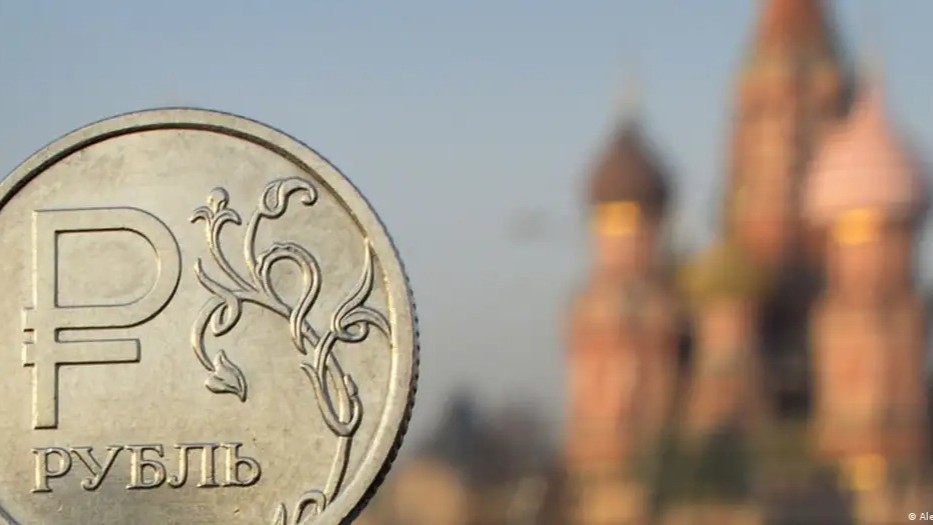
The ruble’s strength eased prices in the Russian market, lowering the cost of imported goods, tempering inflation, and partially restoring consumer purchasing power. However, the outlook for public finances is less optimistic. Oil revenues are earned in dollars while state expenditures are paid in rubles, meaning that as the local currency rises, the government’s available resources shrink. This forces a reprioritization of spending, often at the expense of social programs and investment projects.
Moreover, a strong ruble poses a challenge for Russian exports, making goods more expensive in global markets and reducing competitiveness in sectors that rely heavily on price.
After the rise, a fragile balance
By year’s end, the ruble appeared stable, yet it lacked a wide safety margin. With oil prices expected to remain moderate and reduced state intervention in the currency market, the ruble could become more vulnerable to volatility. If Russian authorities ease monetary policy to boost production, the appeal of saving in rubles may weaken, potentially driving renewed demand for foreign currencies.
The ruble’s rise highlights the paradox of crisis periods: monetary policy can stabilize the present, but it cannot guarantee the future. Balancing the protection of purchasing power with the preservation of budget resources and export competitiveness will make the coming years a true test of Russia’s ability to turn this surge into lasting stability, rather than a temporary spike amid a path full of fluctuations.