

Former French PM Fillon to Annahar: "Lebanon’s sovereignty must be preserved"
In an exclusive interview, the former French Prime Minister discusses his vision for Lebanon, the future of Christian communities in the East, the tragedy in southern Lebanon, France’s declining role, the need for regional compromises, and his message of hope to Lebanese youth.



 Messenger
 Whatsapp
 Threads
 Email
Email
 Print
Print
 X
X
 Facebook
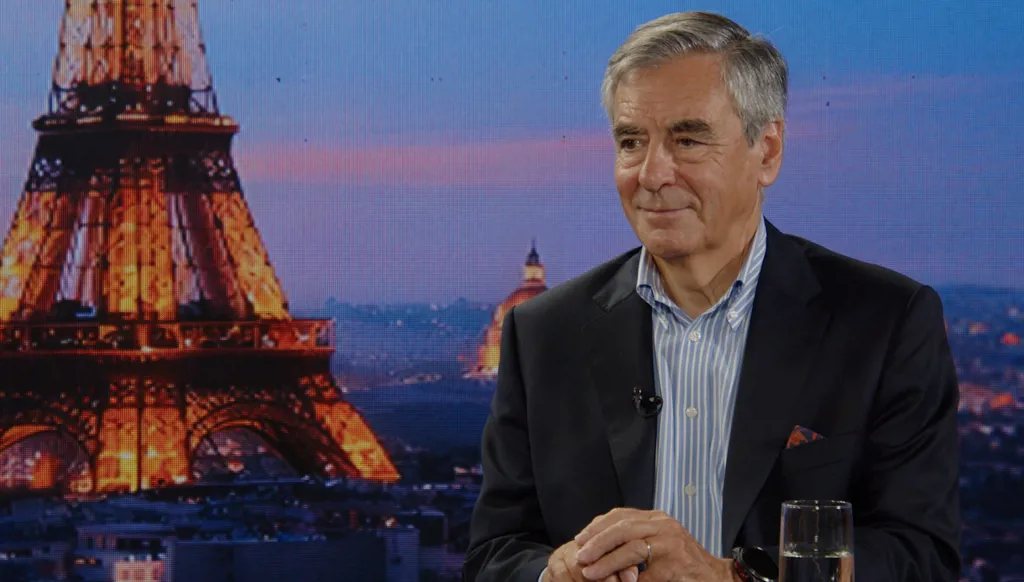


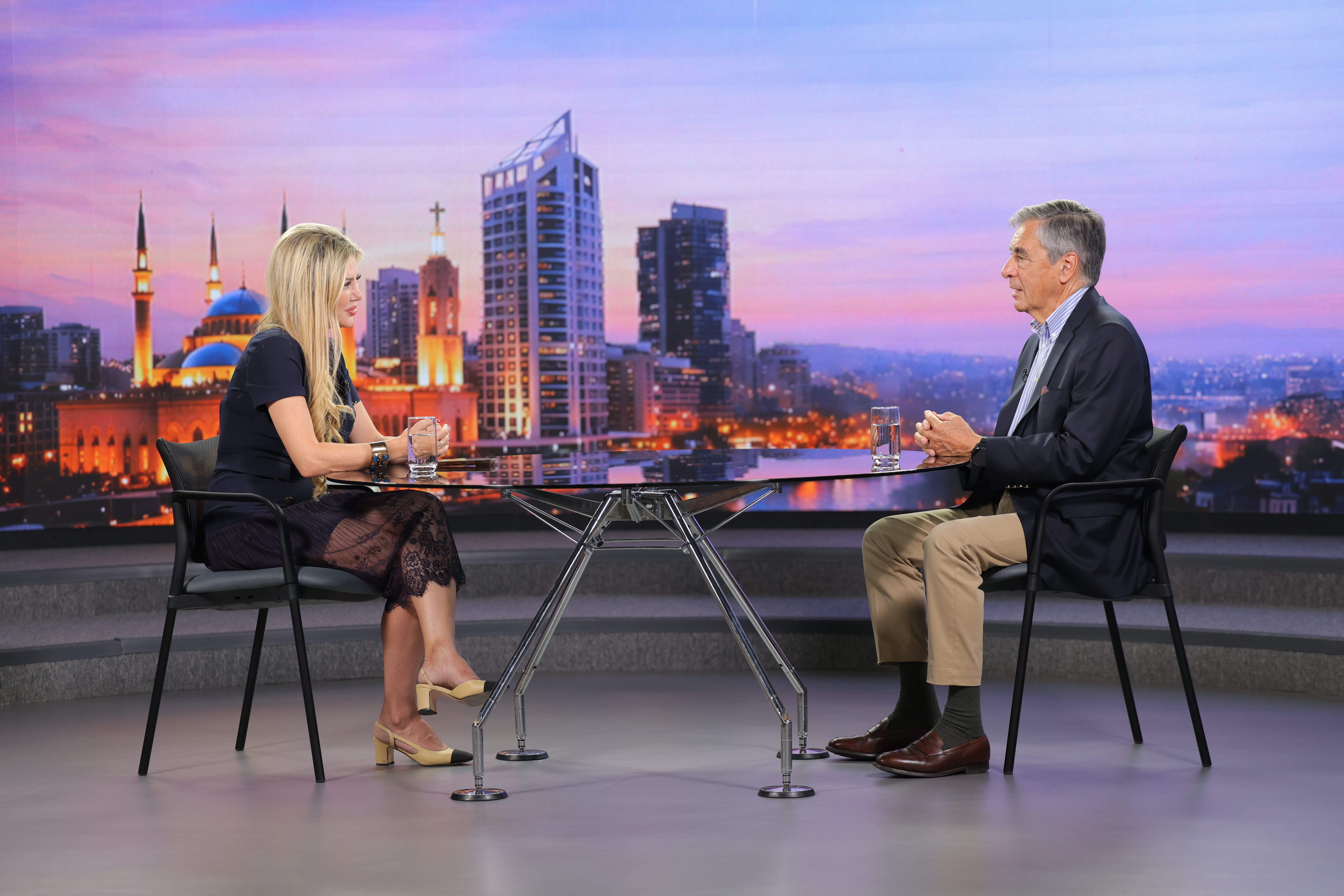
In an exclusive and comprehensive interview with Annahar, former French Prime Minister François Fillon speaks with great openness and depth about the dimensions of his recent visit to Lebanon, bringing with him a clear political and humanitarian vision regarding the region’s issues, foremost among them the question of Eastern Christians and the future of Lebanese sovereignty.
Fillon, who now heads a small humanitarian association after withdrawing from official political life, believes that this experience allows him to use his long-standing relationships and expertise to serve a cause he believes is just, away from the constraints of official positions.
A global safety valve and interfaith dialogue
Fillon begins his remarks by stressing that the main objective of his visit is to deliver a clear message to both Lebanese and French audiences: supporting Middle Eastern Christians is a strategic necessity to preserve the balance in the region. He believes that Lebanon’s model of coexistence and its unique power sharing partnership between Christians and Muslims represent a one of a kind global experience, as it is the only country in the Middle East where all its sectarian components participate in governance.
He warns that failing to preserve this peaceful coexistence in Lebanon would inevitably mean an inability to achieve it anywhere else in the world, particularly in Europe, which is today facing growing demographic challenges requiring serious efforts to promote dialogue between religions and cultures and avoid social clashes.
In this context, Fillon expresses his regret over the general European decline in support for this cause, which is sometimes viewed as an outdated issue. He believes that if he were in power today, he would take decisive international symbolic steps to reaffirm that the Christian presence in the East is a sacred cause for France, calling for this concept to be firmly embedded across all aspects of French foreign policy.
The tragedy of the South and the violation of international law
The former French Prime Minister then recounts the painful scenes he witnessed during his visit to villages in southern Lebanon. Despite his deep admiration for the beauty of the Holy Valley in the north, what he saw in the South left a profound impact on him. He highlights the scale of the widespread destruction, forced displacement, and extreme poverty endured by residents as their villages have been reduced to rubble, depriving them of the most basic necessities of life, including food, medicine, and education.
In a firm stance, he stresses that while he acknowledges Israel’s right to defend itself and agrees on the need to disarm Hezbollah, there is no legal or moral justification for destroying entire villages, killing elderly people and children despite the signing of a ceasefire agreement, or forcing hundreds of thousands of people to leave the land of their ancestors. He describes these practices as “a blatant violation of international law and documented crimes” that the international community, and Europeans in particular, must condemn in the strongest possible terms.
The decline of the French role and the inevitability of concessions
Fillon expresses his deep regret over the decline of French influence and France’s role in Lebanon, as well as Paris’s withdrawal from leading the diplomatic scene. Although he acknowledges the economic and financial challenges facing his country domestically, he stresses that France has a historical responsibility requiring it to place Lebanon at the top of its foreign policy priorities. He criticizes France’s exclusion from the ongoing negotiations between Lebanon and Israel, considering that this is due to Israeli opposition and silent American complicity.
He cites the boldness and steadfastness of General de Gaulle’s positions, as he rejected any infringement on French sovereignty and independence from American orientations. He urges the current French government not to give in and to find ways to return to the negotiating table in order to provide economic and military support to Lebanon if its government requests it.
Speaking about the Rome agreements, he believes that despite the structural imbalance and the lack of equality in this agreement in favor of Israel’s overwhelming power advantage, having an agreement remains better than having none, as it opens a window for direct dialogue. He stresses that in order to build a lasting and viable peace, Israel must make concessions and respect the interests of all the peoples of the region, because the idea that it can remain secure on its own in a hostile environment is a geopolitical and historical illusion.
UNIFIL and Lebanese youth
At the end of the interview, Fillon openly criticizes the limited mandate of UNIFIL forces, stressing that they have never had the military authority to effectively intervene and stop the fighting. He calls for their mission to be amended or for them to be replaced by an effective international force capable of separating the warring parties with direct American support. He also mocks President Donald Trump’s proposal to rely on Syria for peacekeeping, considering it evidence of complete ignorance of the region’s historical and geopolitical complexities.
He also delivers a message of hope and encouragement to Lebanese youth, calling on them to remain committed to their country and participate in rebuilding it, while urging European countries to provide financial support to help them remain on their land. He concludes by expressing his boundless admiration for the resilience of the Lebanese people, promising to be their sincere voice in international forums, conveying the reality of their tragedy and working to find sustainable solutions.