

US and Iran edge away from escalation as diplomatic openings remain
Amid rising threats of a wider conflict, growing differences between Washington and Tel Aviv, and mounting pressure on oil markets, both sides appear to be weighing the risks of further escalation against a return to negotiations.



 Messenger
 Whatsapp
 Threads
 Email
Email
 Print
Print
 X
X
 Facebook
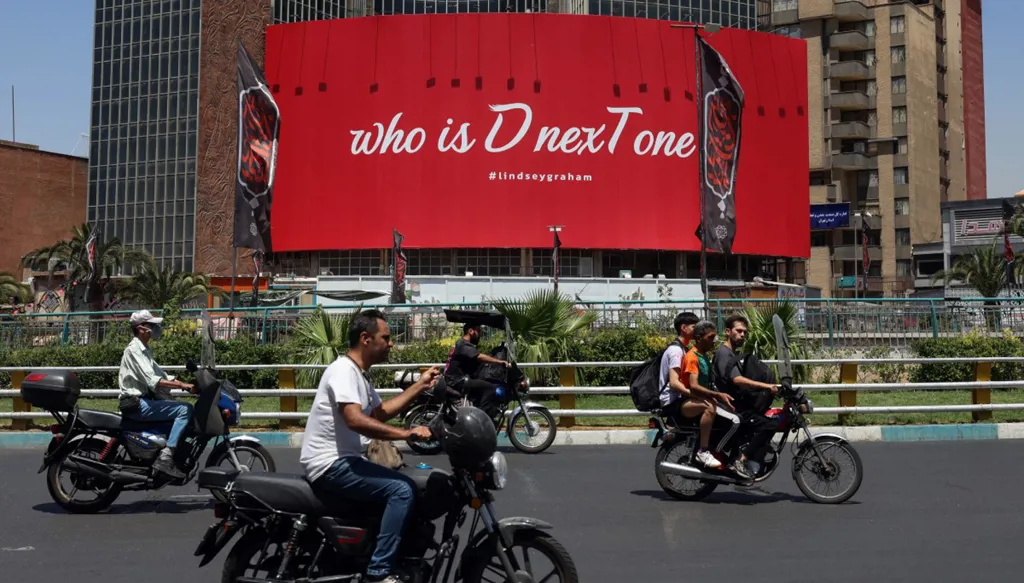
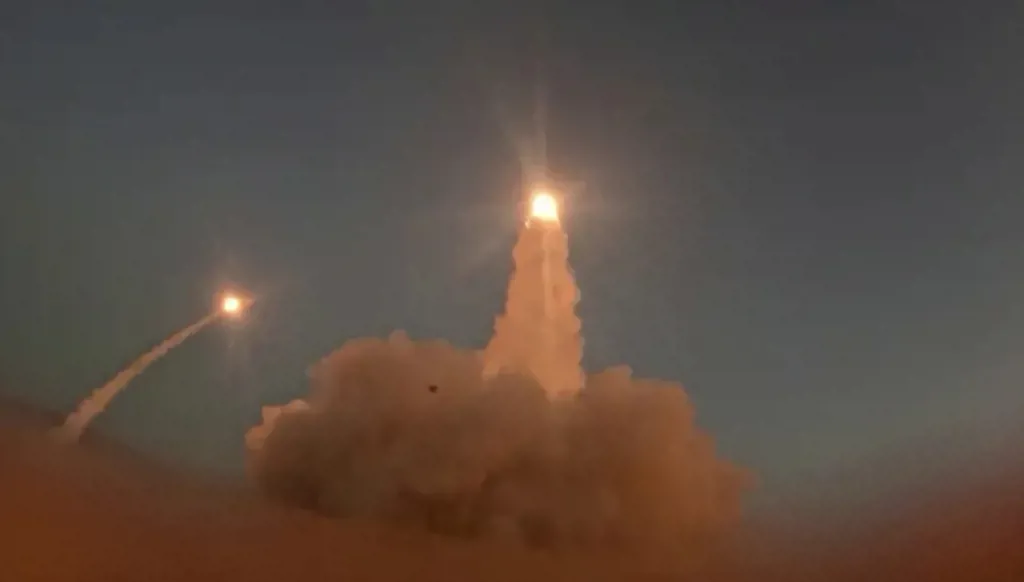
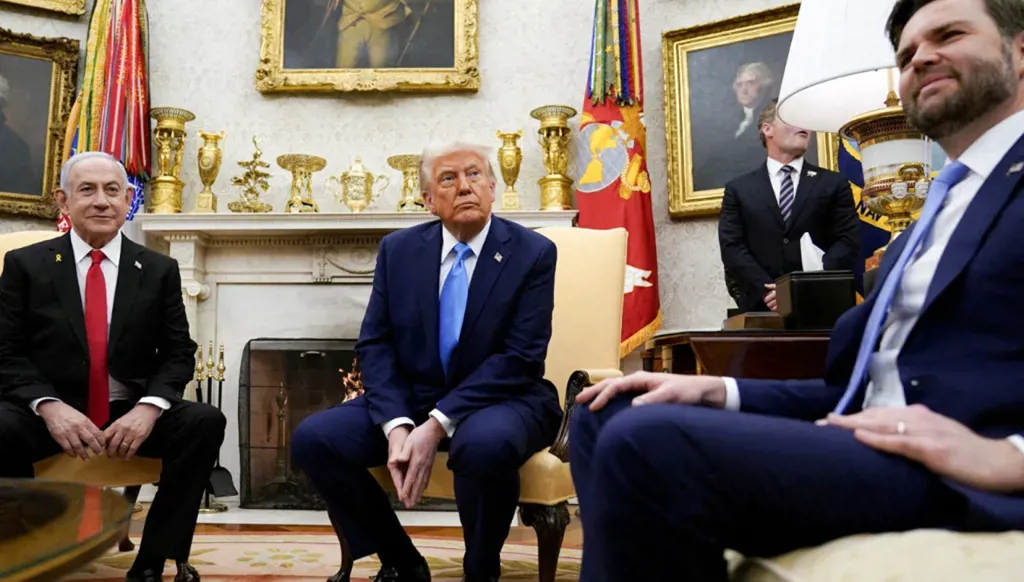


The dilemma facing both US President Donald Trump and Iran is that neither side has been able to keep their mutual strikes, which have continued since last week, at a limited level while preventing them from escalating into a full-scale war. Any move by either side toward a new phase would trigger further escalation, leading to a wider explosion and the opening of new fronts.
Escalation options and their limits
According to US media reports, Trump appears inclined to expand military operations. He has threatened to strike Mount Fez near the Natanz nuclear facility, as well as power plants and bridges in Iran. He has also discussed with his advisers the possibility of taking control of Kharg Island, which is responsible for exporting 90 percent of Iran’s oil. In response, the joint command of the Iranian armed forces has said that it would close the Bab el Mandeb Strait and strike infrastructure in Middle Eastern countries if Trump follows through on his threats.
The release of an American woman who had been detained since 2024 helped ease fears of a broader war, and the move earned Trump’s “appreciation.” Amid the rapidly unfolding developments, US Vice President JD Vance entered the scene. Vance, who led a round of talks with an Iranian delegation in Switzerland earlier this month, explained that US strikes were one of the “tools” Washington was using to convince Tehran to return to negotiations. At the same time, he sent a positive message by saying that the United States would not send troops into Iran to overthrow the regime. He also strongly criticized Israeli ministers whom he accused of pushing for the war to continue indefinitely. He set a red line for Iran: pursuing the acquisition of nuclear weapons.
US-Israeli divergence
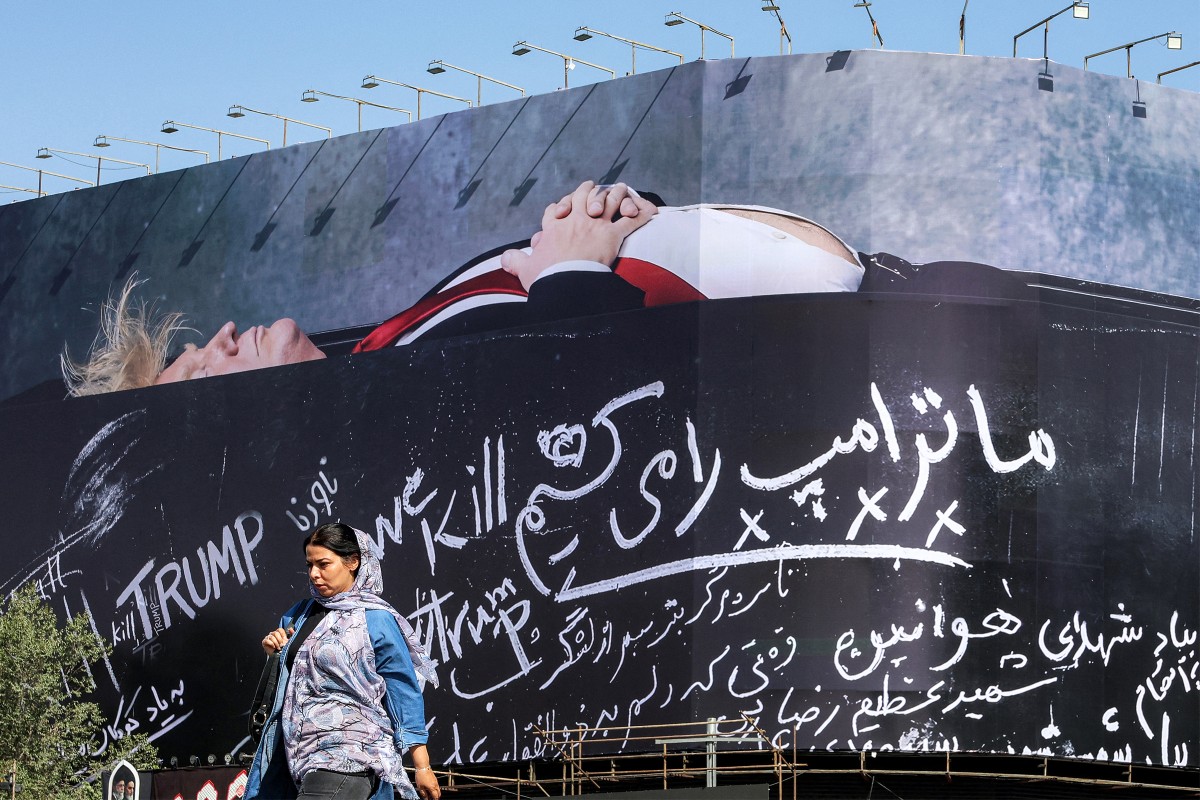
The rift between the US and Israeli positions is widening, not only over the Iranian issue but also regarding Lebanon and Syria. Trump has called for Israel to withdraw from both countries, prompting Israeli Defense Minister Israel Katz, following a call with his US counterpart Pete Hegseth, to respond that Israel will not withdraw from what he described as the “security areas” it occupies there.
Meanwhile, Vance’s flexibility is being met with similar flexibility from Iran’s chief negotiator, Parliament Speaker Mohammad Bagher Qalibaf, who said on Wednesday that his country must use diplomacy and negotiations to achieve its interests, even though he considered that Iran is “fighting an existential war.”
Oil: the biggest test
The logical conclusion in this situation is that, at the last moment, both sides will step back from the brink of escalation and return to negotiations. Trump can limit himself to discussing escalation options and the protection of the Strait of Hormuz on paper, while putting these options into action would require, according to military experts and analysts, additional forces on the ground and an advance toward occupying parts of Iranian territory. Such an operation would take time and carries the risk of becoming entangled in a prolonged war.
A direct question arises here: How high will the price of a barrel of oil rise, and how will energy markets absorb another shock? Data from the shipping tracking company Kpler shows that tanker traffic through the strait has declined significantly in recent days. Of the 21 vessels that crossed the strait on Tuesday, none used the US protected Omani route. Sixteen vessels passed through the northern route in coordination with Iranian authorities, while the remaining five used different passages after switching off their radars and communication systems, preventing them from being tracked.
The more likely scenario is that Trump will not risk losing American soldiers in a war opposed by an overwhelming majority of public opinion. Therefore, he is keeping the diplomatic option open by repeatedly saying that Tehran wants a deal and that US negotiators remain in contact with their Iranian counterparts.
Disclaimer: The opinions expressed by the writers are their own and do not necessarily represent the views of Annahar