

Trump’s Syria gamble: A new role for Damascus in containing Hezbollah
Washington appears to be counting on Damascus to curb Hezbollah’s influence through security coordination rather than direct confrontation.



 Messenger
 Whatsapp
 Threads
 Email
Email
 Print
Print
 X
X
 Facebook
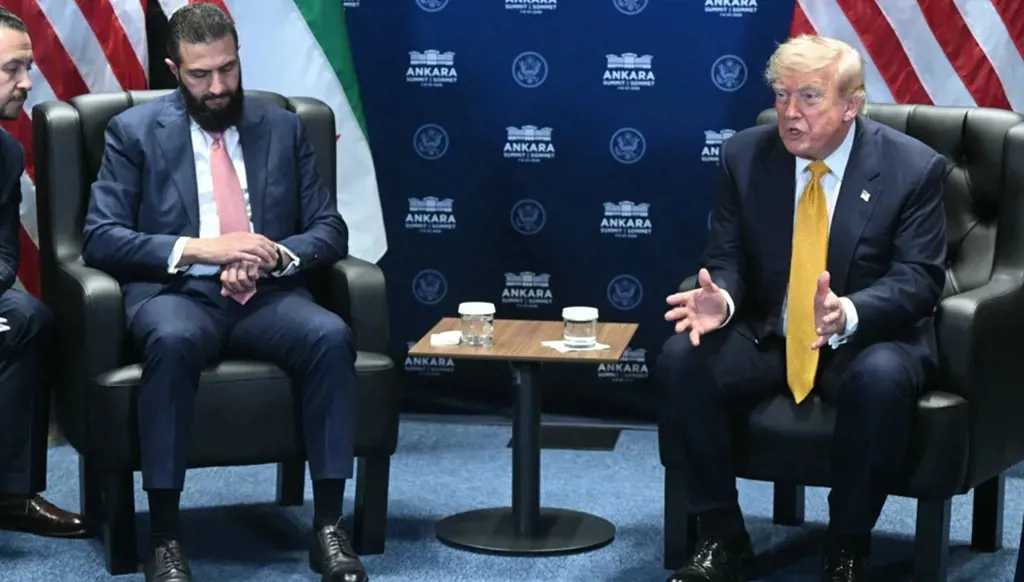


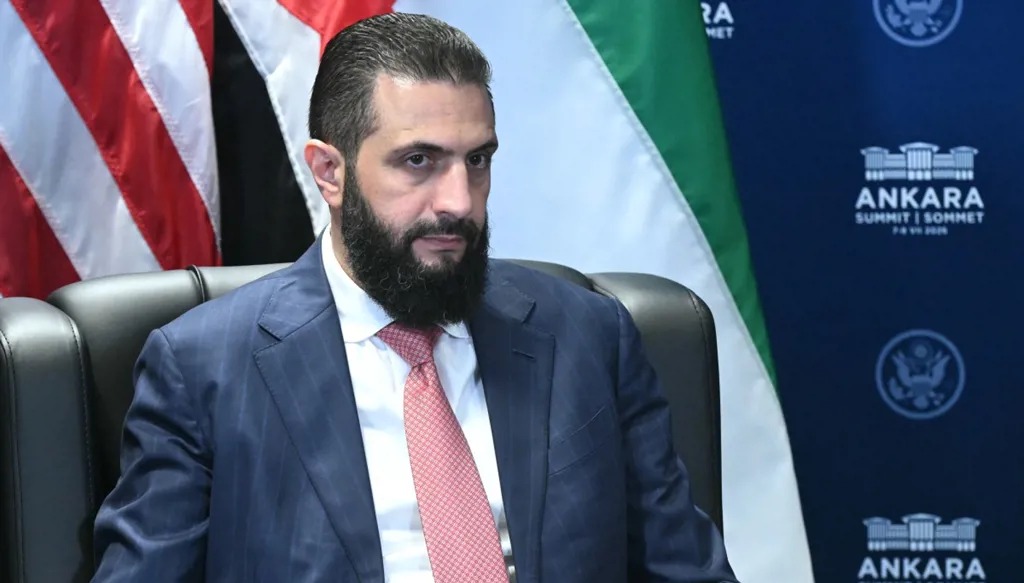
President Donald Trump has recently been highlighting a Syrian role in Lebanon, through repeated statements indicating that he is relying on President Ahmad al Sharaa to deal with Hezbollah.
Despite Syria’s repeated denials of this claim, Trump himself returned to the issue in an interview with the US channel Fox News, reiterating that al Sharaa would handle the matter with the group. He added that al Sharaa “will be more precise than Israel, and will deal with it in some way, but he will not destroy buildings.”
Observers interpret Trump’s repeated comments on the issue as a way of sending messages both to the Lebanese domestic front, which objects to US involvement in managing the file and negotiations with Israel, and to Israel itself.
US-Syrian understandings
Political sources told Annahar that Trump’s remarks reflect the existence of new US Syrian understandings aimed at reshaping security balances in the region. They are not merely passing statements but rather fall within a broader US approach that views the aftermath of the latest Israeli war as requiring a reorganization of the regional environment surrounding Israel, particularly Lebanon and Syria.
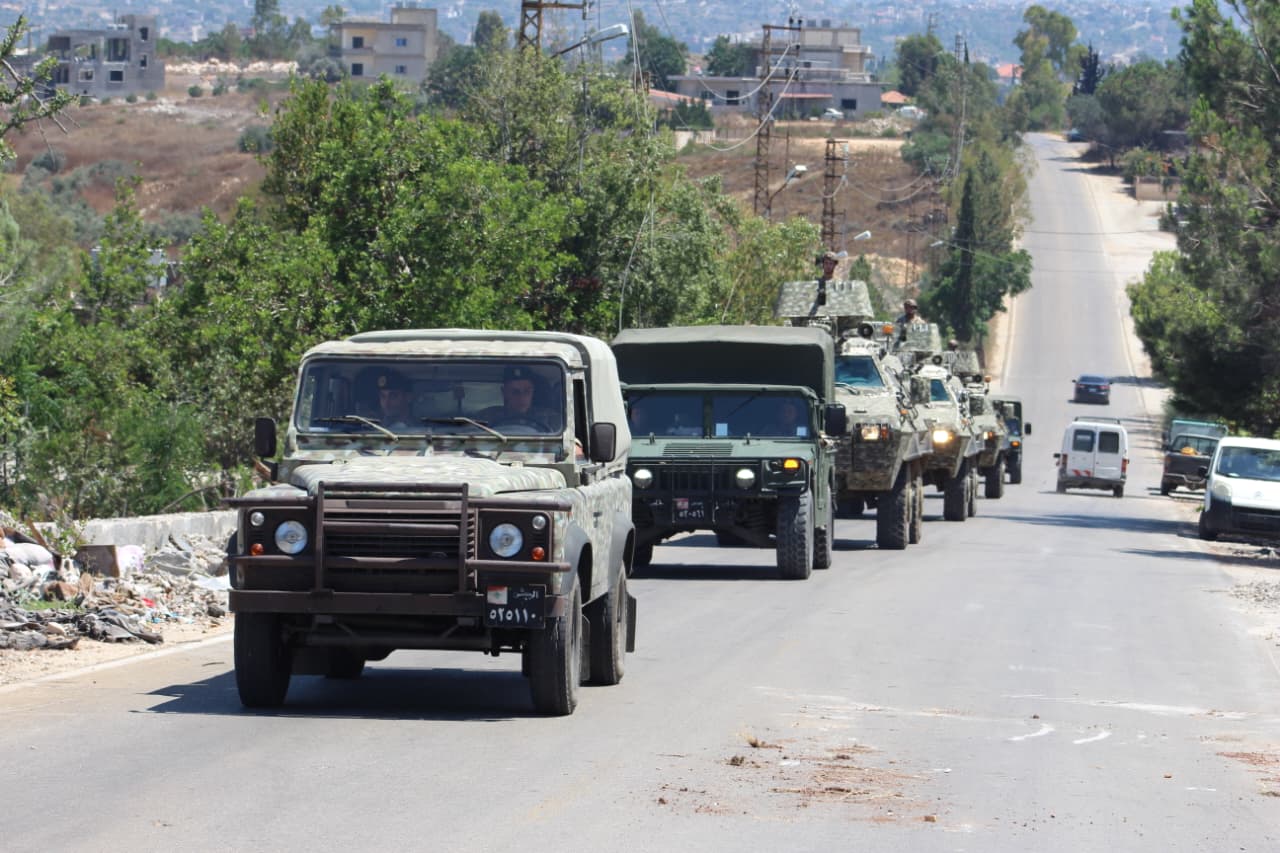
From this perspective, Washington views Damascus as a player capable of influencing Hezbollah’s supply lines and movements, whether by controlling the Lebanese Syrian border or by preventing the reconstruction of the logistical infrastructure that was severely hit during the war.
These remarks come as al Sharaa seeks to consolidate his international legitimacy and open up to Western and Arab countries, in exchange for his commitment to fighting armed groups operating outside the authority of the Syrian state. However, he continues to face a turbulent domestic situation, the latest manifestation of which was the explosion that occurred during the visit of the French president to Damascus. Against this backdrop, the US administration is betting that the new Syria will be more willing to take measures limiting Hezbollah’s activities inside Syrian territory, in line with the requirements for lifting sanctions and attracting financial support for reconstruction.
However, according to the sources, the phrase “he will deal with Hezbollah” does not necessarily mean a direct military confrontation with the group, a scenario that appears unlikely in the foreseeable future. The Syrian army is still focused on rebuilding its institutions, and Damascus is aware of the sensitivity of any open confrontation with a force that has Lebanese and regional reach. The more likely interpretation is that the aim is to restrict Hezbollah’s room for maneuver inside Syria, tighten control over crossings and routes previously used to transport weapons and equipment, and put an end to any independent military presence outside the authority of the state.
At the same time, the sources believe that Trump’s statement also carries a direct message to Lebanon. Washington considers that the full implementation of the ceasefire is not limited to southern Lebanon but also includes halting any efforts to rearm Hezbollah through the Syrian border. In this sense, the Syrian role becomes part of the security framework that the United States is seeking to establish in the region.
n several factors, most notably the relationship between Damascus and Tehran, which has not been completely severed despite existing differences, as well as with Turkey, which is seeking to consolidate its role in any future regional settlement in a way that safeguards its security interests.
Trump’s remarks therefore reveal that the US administration views Syria as a potential partner in containing Hezbollah’s influence, not through direct war, but by reshaping the rules governing control of borders and supply routes. As for whether Ahmad al Sharaa is capable of, or willing to, go further down this path, that will depend on the scale of the political and economic gains he receives from the West, as well as his ability to balance the requirements of international engagement with the geopolitical complexities that continue to shape Iran’s relations with its allies.
Disclaimer: The opinions expressed by the writers are their own and do not necessarily represent the views of Annahar