

Iraq between change and the enduring grip of Iranian Influence
Al Zaydi’s anti corruption campaign and his visit to Washington highlight a shifting balance in Iraq, but the funeral ceremonies for Khamenei reveal that Tehran’s influence remains deeply rooted in the country’s political and religious landscape.



 Messenger
 Whatsapp
 Threads
 Email
Email
 Print
Print
 X
X
 Facebook
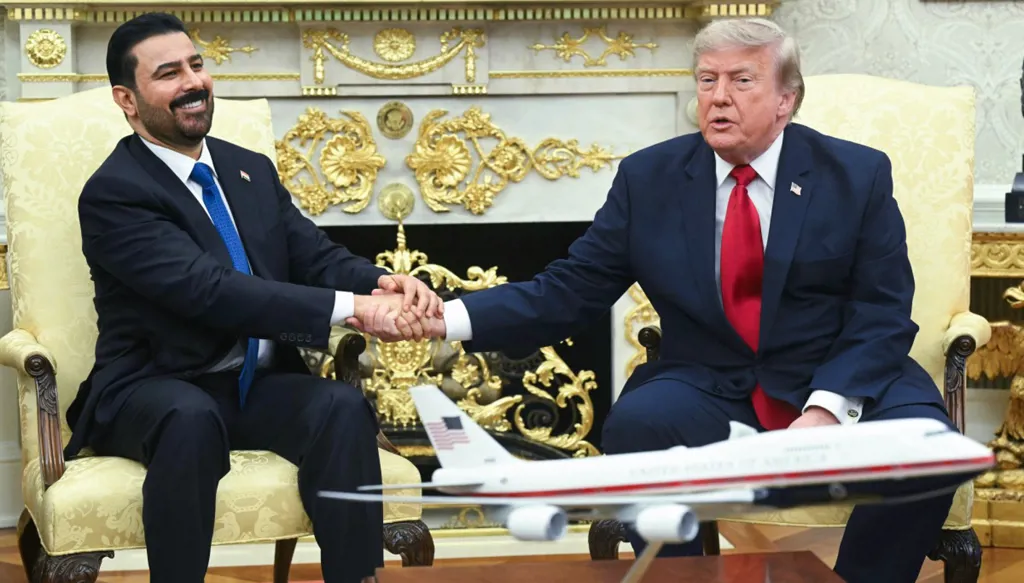


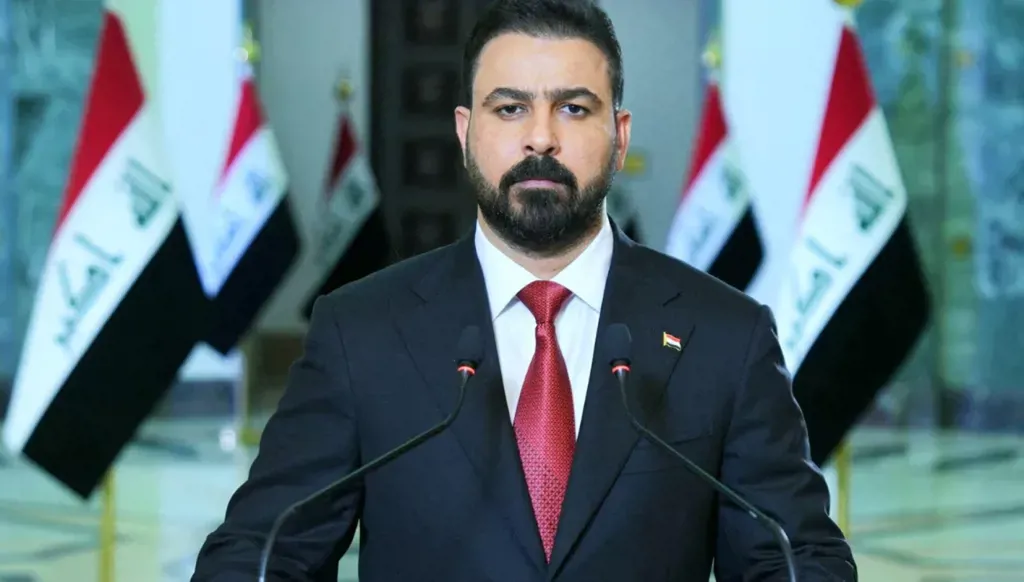
Iraqi Prime Minister Ali al Zaydi made significant efforts to show that Iraq has changed.
A few days before his meeting with US President Donald Trump in Washington, state institutions moved against corruption networks, toppling high profile figures on a scale not seen since the fall of the former regime in 2003. Just hours before arriving in the US capital, American media reported that he had voiced his objections to Iranian Foreign Minister Abbas Araghchi and Quds Force Commander Esmail Qaani over Tehran’s support for armed Iraqi factions.
Despite this, on 8 July 2026, Baghdad was complicit in turning Najaf and Karbala into an Iranian event carrying coded messages directed at Washington.
These symbols included the Zaydi government’s declaration of an official holiday, the attendance of Coordination Framework leaders, including Nouri al Maliki, Hadi al Amiri, and Qais al Khazali, as well as the prominent participation of the Popular Mobilization Forces. The event offered indications that Iranian influence remains capable of mobilizing both the street and official institutions. The number of participants in Najaf was reportedly estimated at more than 2.3 million, taking part in processions that appeared to serve simultaneously as political and religious rituals aimed at reaffirming the continued reach of Iran’s influence among Shiites worldwide.
The ceremonies in Najaf and Karbala, where Khamenei had previously studied, carried profound significance. Iran sought to integrate the legacy of the Iranian leader into the centuries old Iraqi Shiite religious heritage, reinforcing Khamenei’s image as a guide for a large segment of the Shiite political class. The occasion was not merely an expression of strength, but also an attempt to restore the morale of the “Axis of Resistance,” which had been shaken by recent strikes.
However, the event did not conceal the resentment and anger over organizing a funeral for a foreign leader in the country for the first time in its history. Opponents accused the government of being subordinate to Iran, particularly through the declaration of an official holiday and the provision of support for holding the ceremonies and giving them official coverage. The ceremonies also revealed Tehran’s attempt to pressure al Zaydi and narrow his room for maneuver less than a week before his summit with Trump.
The participation of Muqtada al Sadr, despite his longstanding rivalry with Iran, as well as Sunni figures such as Mohammed al Halbousi and Khaled al Mulla, demonstrated that Iran still retains the ability to maintain a degree of cross sectarian influence.
The funeral did not show a dramatic decline in Iranian influence. Rather, it revealed a continuing and strong influence at both the popular and political levels within the Shiite community. Yet using a death ceremony and funeral processions serves as an attempt to conceal the appearance of a counter reality: the decline of Iran’s power and influence in the region.
Al Zaydi’s “raids” come within the context of what Washington and its presidential envoy Tom Barrack are demanding. The United States wants weapons in Iraq to be placed solely under state control, Baghdad’s decisions to be freed from Tehran’s guardianship, and an end to the corruption that has become synonymous with the country’s political system. Trump personally and openly intervened in rejecting Nouri al Maliki’s candidacy for the premiership and supported and endorsed al Zaydi’s appointment to the position. Through this move, he sought to turn the page on an era in Iraq in line with the pages being turned for Iran.
Something has changed in Iraq that resembles what has changed in Lebanon. In both cases, the American factor was decisive and fundamental. The United States’ confrontation with Iran has multiple fronts and layers, some of which we are witnessing these days in the Strait of Hormuz. However, deeper symbolic battles are taking place in Iraq and Lebanon.
Al Zaydi’s visit to the United States will reveal whether the funeral processions were merely an expression of enduring strength or the beginning of a new phase in which nothing remains of Iran’s influence except religious rituals and funeral occasions. In Iraq, some consider al Zaydi’s “raids” against corruption to be smoke screens that may not convince Trump. In Washington, others believe that something has changed in Iraq and that Washington’s confrontation with Tehran will not allow al Zaydi and his government to turn back.
Disclaimer: The opinions expressed by the writers are their own and do not necessarily represent the views of Annahar