

Lebanon, Israel advance to technical talks as Framework Agreement moves toward implementation
After two days of productive discussions in Rome, Lebanon, Israel, and the United States move from political debate to practical arrangements, as the framework agreement enters a new phase focused on implementation mechanisms and pilot areas



 Messenger
 Whatsapp
 Threads
 Email
Email
 Print
Print
 X
X
 Facebook
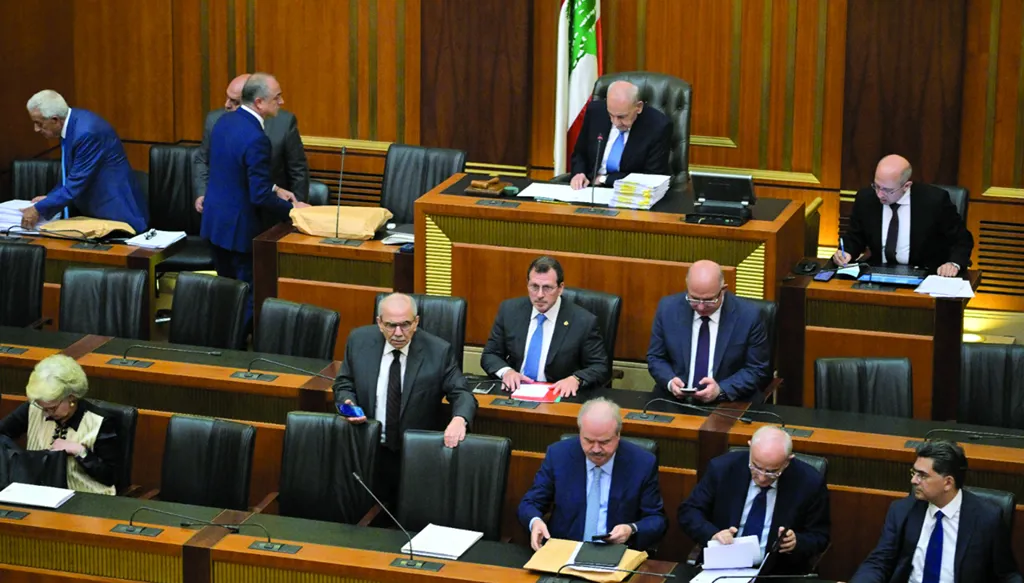
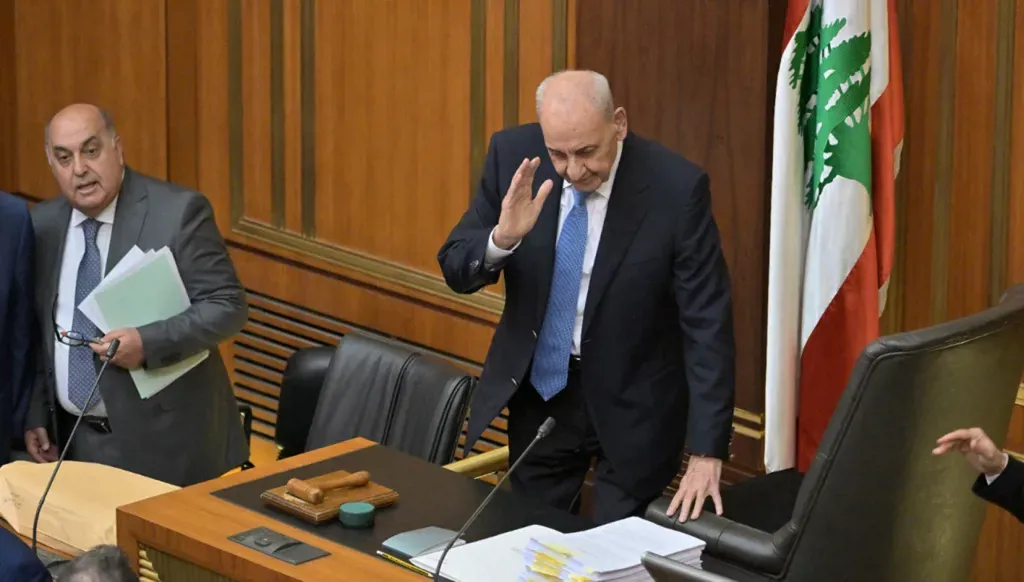
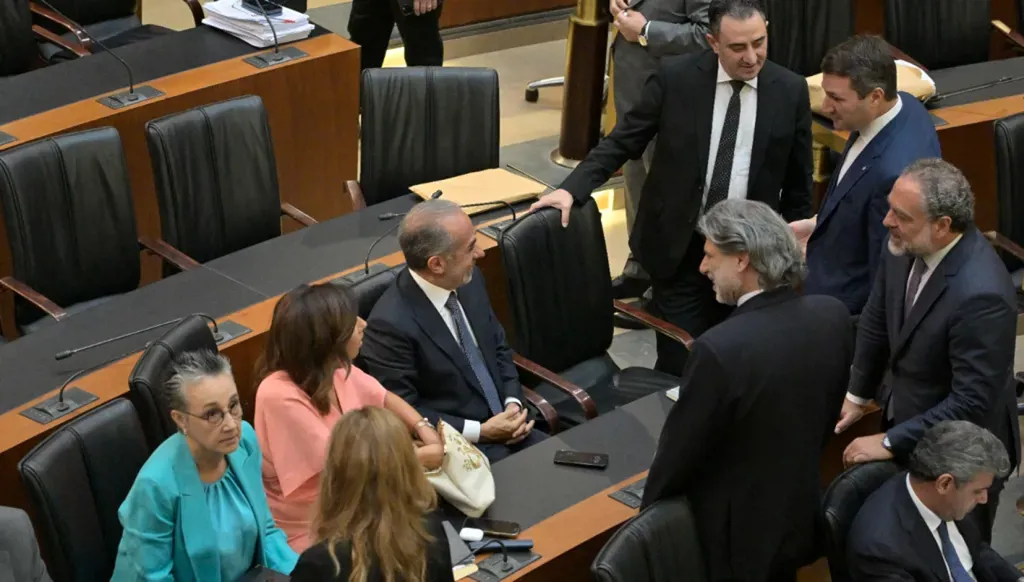


Away from the parliamentary debates and the noise of political point scoring, the real development took place in Rome, where progress in the talks undermined the claims of opponents who argued that the Framework Agreement signed between Lebanon and Israel under United States sponsorship was impossible to implement and, in fact, did not exist at all. This was reaffirmed by President Joseph Aoun, who said that "the framework formula is the best possible option and has already begun to produce results."
The United States Embassy in Beirut summed up the outcome in a few brief points:
- The talks concluded after two days of productive and positive discussions.
- We will now move to expanded technical talks focusing on implementing all three components of the trilateral framework, with the aim of reaching a comprehensive agreement between Israel and Lebanon.
- We agreed on the structure and operational guidelines for the pilot area, which will be finalized and implemented over the coming days.
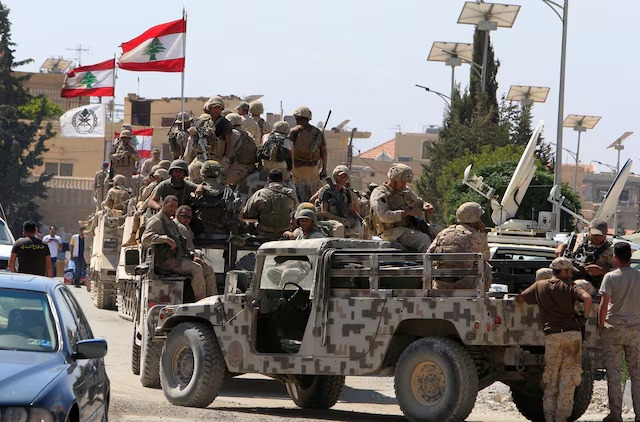
According to Axios, citing sources, the talks between the United States, Lebanon, and Israel have concluded and were productive. The report added that representatives from the three parties will move on to expanded technical discussions. Sources also expected an online meeting between Lebanese and Israeli military officials next Friday to discuss the military details, finalize the two pilot areas, and set a date for the start of implementation.
Locally, sources at Baabda Palace said that the progress achieved in the negotiations had become even clearer today, with discussions now focusing in practical and detailed terms on the proposed implementation mechanism to launch the operational framework. The current discussions are centered on two pilot areas as the initial phase of implementation. These are mixed areas, meaning one area currently under occupation from which Israeli forces would withdraw, and another area located along the edge of occupied territory where the Lebanese Army's presence would be reinforced.
The sources added that the second issue concerns the timing for implementing the two pilot areas. All preparations are underway for implementation to begin within days, or even hours. A statement is expected to announce the start date, with hopes that it will be no later than the end of this week.
The sources also said that discussions would cover what has been referred to as the framework, namely the sequence for addressing the remaining areas beyond the two pilot zones and setting a timeline for the other areas.
They noted that the discussions are focused on technical aspects, including the withdrawal and deployment processes, which may require another military meeting before implementation, most likely in Rome.
The sources revealed that the United States side is expected to issue a statement outlining the agreed points, along with the time and venue of the next meeting.
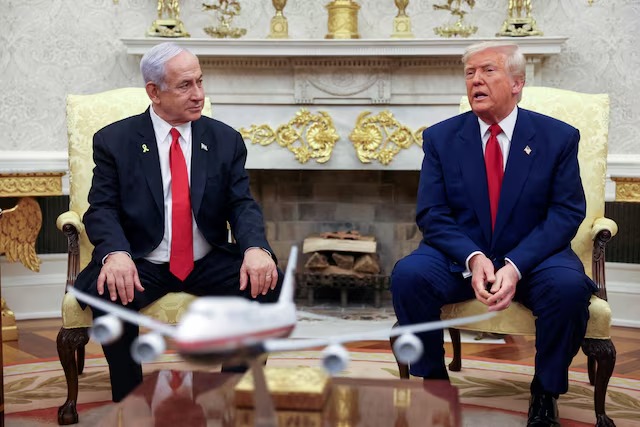
Trump Meeting
United States President Donald Trump, who is expected to meet Benjamin Netanyahu next Monday, told Fox News that an Israeli withdrawal from parts of Lebanon would be a positive step.
Trump is also scheduled to receive Lebanese President Joseph Aoun on Tuesday. Aoun reiterated that any meeting with Benjamin Netanyahu is completely out of the question, adding that his visit will be brief and will include meetings with Trump and a number of other officials.
Trump also said that Syrian President Ahmed al Sharaa would take responsibility for dealing with Hezbollah. He added that al Sharaa would handle the matter differently, saying he would not destroy buildings and would be more precise than the Israelis in dealing with Hezbollah.
Pilot Area
Meanwhile, it was learned that the pilot area agreed upon in principle includes the towns of Zawtar al Gharbiyeh, Zawtar al Sharqiyeh, Al Ghandouriyeh, Burj Qalaouiyeh, Srifa, and Froun. These are mixed areas, with some under occupation and others exposed to Israeli fire.
The Lebanese side reportedly raised a key issue related to the principle of verification, namely the possibility of entering private property. Such a step would require either an amendment to Lebanese legislation or judicial authorization to allow it to be carried out legally.
The report added that the Israeli side is demanding that, after the Lebanese Army completes the disarmament process, oversight should be carried out by a committee comprising Israel, the United States Central Command, and a third party acceptable to Tel Aviv, rather than the United Nations Interim Force in Lebanon.
In this context, sources at Baabda Palace said that, regarding verification, the task could be assigned to a third party and that there was no objection to several possible arrangements. They added that Lebanon is open to the United States proposal and naturally prefers that verification be carried out by United Nations bodies such as the United Nations Interim Force in Lebanon. Several proposals have been discussed, but no final agreement has yet been reached because any verification mechanism would require an appropriate legal framework.
The sources also stressed that there has been no request to search private property. Rather, the proposed verification mechanism is based on full respect for Lebanese law, and there is no issue as long as it operates within that framework.