

Washington and Tehran intensify military campaigns as Trump claims Iran wants a deal
The latest exchange of attacks raises fears of a broader regional war even as the White House signals that diplomacy remains possible



 Messenger
 Whatsapp
 Threads
 Email
Email
 Print
Print
 X
X
 Facebook
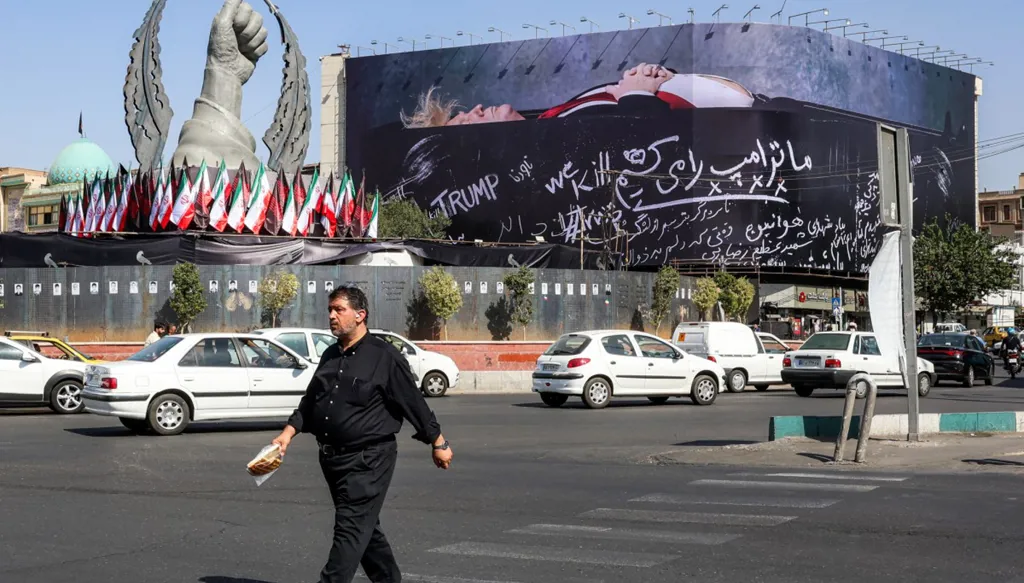
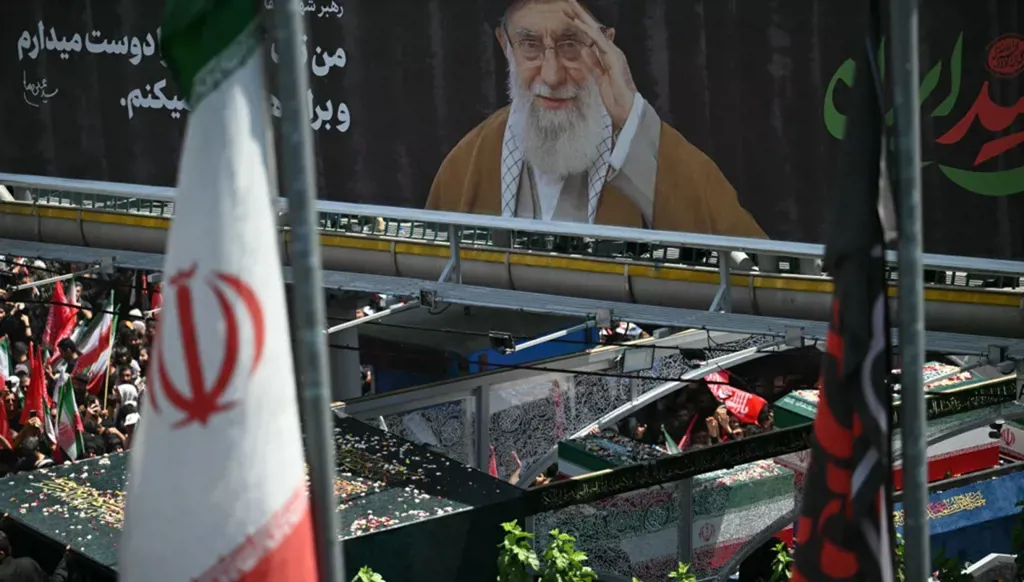


The United States launched two waves of strikes on Wednesday against Iranian coastal defense systems and missile sites after reimposing a naval blockade on the ports of the Islamic Republic. Iran responded by targeting US military sites in neighboring countries in what it described as a "war for survival" against the United States.
The escalation came days after a fragile ceasefire collapsed, raising the possibility of a return to full scale war, while Iran once again threatened to further disrupt regional energy exports.
The fighting intensified after Iran announced late on Saturday that it was closing the Strait of Hormuz. Ongoing military operations have prevented ships from passing through the strategic waterway, which had carried about 20 percent of global oil and gas shipments before the war. Brent crude settled at its highest level in a month on Wednesday at 84.95 dollars per barrel.
US Central Command said the military targeted coastal defense systems and cruise missile storage and launch sites on Iran's Greater Tunb Island beginning at around 6:00 a.m. Eastern Time, corresponding to 10:00 a.m. GMT, before launching a second wave of strikes on several cities nine hours later.
In a statement, US Central Command said, "US forces struck command centers, air defense sites, missile and drone capabilities, and Iranian coastal surveillance facilities."
It added that the military also struck targets in Bandar Abbas, home to Iran's largest port as well as major naval and Islamic Revolutionary Guard Corps facilities overlooking the Strait of Hormuz.
The statement continued, "Earlier this morning, US forces struck coastal defense system and cruise missile sites on Greater Tunb Island during a 90-minute wave of attacks."
Iranian response
The Iranian military announced on Thursday that it had carried out drone strikes targeting US bases and facilities in Kuwait and Bahrain, according to state television.
Iran's state broadcaster reported that the military targeted radar systems, a Patriot air defense system, and fuel storage facilities at Ali Al Salem Air Base in Kuwait, in addition to US military facilities at Sheikh Isa Air Base in Bahrain.
On Wednesday, Iran's Islamic Revolutionary Guard Corps said it had struck US military targets across the region, including sites in Bahrain, Kuwait, and Jordan. It said it had targeted a gathering of US military personnel and a radar system at Ali Al Salem Air Base in Kuwait using missiles and drones.
The Jordanian Armed Forces announced that they had intercepted eight Iranian missiles targeting the kingdom. Meanwhile, the Iranian military said, "We targeted equipment belonging to the US military at Azraq Air Base in Jordan with drones," adding that "our operations are a response to the attack on a military barracks in the city of Bampur, which killed seven of our soldiers yesterday."
Three US officials told Reuters that the US strikes aimed at reopening the Strait of Hormuz by force are also intended to degrade Iranian military capabilities that the United States wants to eliminate before carrying out more complex operations.
The US military also said it disabled an empty oil tanker that was attempting to sail toward Iran's Kharg Island after it ignored several warnings. It fired Hellfire missiles at the ship's funnel. The military added that since reimposing the naval blockade on Iran on Tuesday, the United States has redirected two vessels and disabled another.
Iranian media reported a series of explosions, particularly in coastal areas such as Bandar Abbas. Other reports described explosions or projectile strikes around the city of Ahvaz, located inland near the northern end of the Gulf, as well as in Konarak, Sirik, and Qeshm in southern Iran.
Press TV reported that at least two explosions occurred in the city of Khondab in central Iran, about 250 kilometers southwest of Tehran. Mehr News Agency reported that air defenses had been activated in Tehran to counter what it described as "hostile threats."
Iran's state news agency and state television also reported that US strikes occurred near a hospital in Ahvaz that houses a children's cancer treatment center, forcing the hospital to be temporarily evacuated. The agency said families gathered in the streets surrounding the hospital to care for their children.
Following the first wave of strikes, Iran's chief negotiator, Mohammad Bagher Qalibaf, said that Iran's security depends on preserving what he described as the "Iranian arrangements" in the Strait of Hormuz.
He added in a statement, "We are engaged in a necessary war and a war for survival against America."
The war has claimed thousands of lives and displaced millions of people, particularly in Iran and Lebanon. In July alone, US attacks killed 35 people, according to Tasnim News Agency, citing an official at the Ministry of Health.
"Iran wants a settlement"
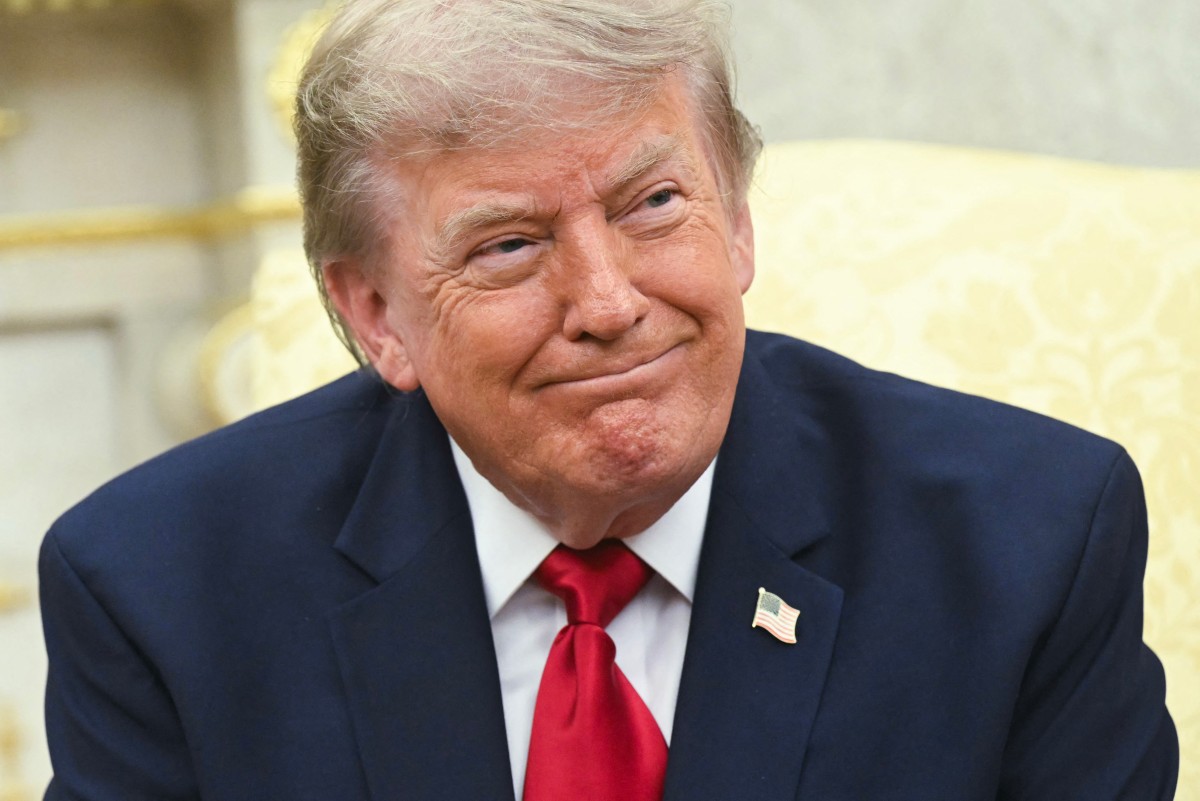
Trump struck a triumphant tone, as he has repeatedly done since the United States and Israel launched the war on February 28, saying, "We will defeat Iran soon. They will be defeated very, very soon."
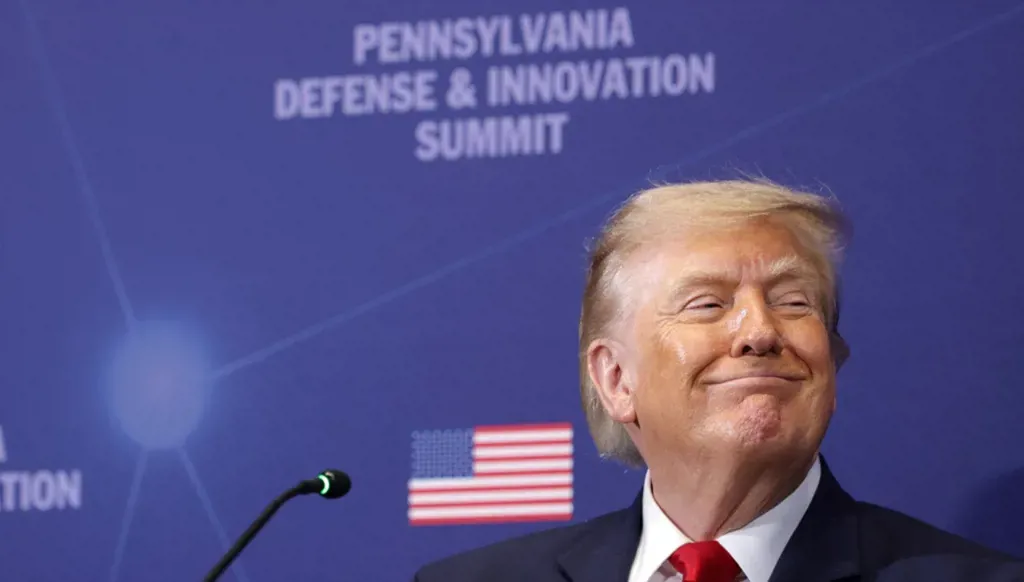
Speaking at an event during the Pennsylvania Defense and Innovation Summit, Trump also said the Iranians are "very eager to reach a settlement."
He added, "They do not like what we are doing, and they want to reach a settlement. We will find out whether we can reach a settlement with them or whether we will simply see this through to the end."
On Tuesday, Trump said US negotiators are in contact with their Iranian counterparts to tell them that "it would be better for them to reach an agreement."
An Iranian military spokesperson stressed that the only way to reopen the Strait of Hormuz is for the United States to comply with the 14-point memorandum of understanding signed by both sides in June and to implement the "Iranian rules" governing vessel traffic through the Strait.
Even amid the fighting, there was a possible sign of goodwill. Trump said Iran had allowed an American citizen who had been "wrongfully detained" in 2024 under his predecessor Joe Biden to leave the country.
Trump wrote on Truth Social, "The United States of America appreciates this gesture of goodwill from Iran."
Human rights lawyer Jared Genser said the released American is Dena Karari, who had been barred from leaving Iran since December 2024.
Genser wrote on X, "Dina is now safe and on her way back to the United States," thanking Trump for his efforts to secure her release.