

US and Iran exhaust their pressure tactics as escalation risks grow
Washington and Tehran intensify military and economic pressure while threats to key waterways, energy supplies, and regional security raise fears of a wider confrontation



 Messenger
 Whatsapp
 Threads
 Email
Email
 Print
Print
 X
X
 Facebook



The Pressure Strategy and Its Limits
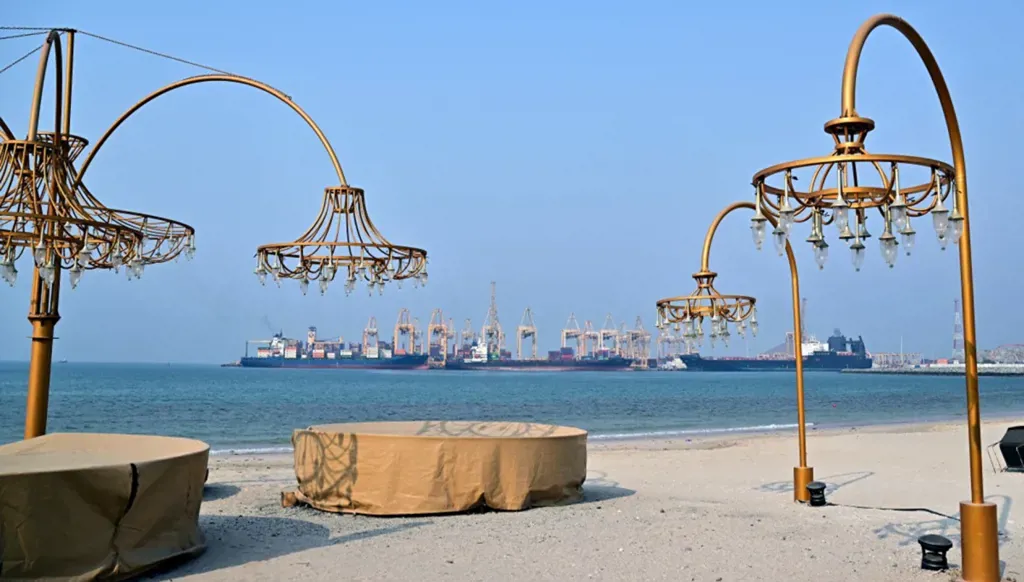
Another indication that Trump lacks a clear strategy was his decision on Tuesday to reverse his plan to impose a 20 percent tariff on vessels transiting the Strait of Hormuz, just 24 hours after announcing it. He said he changed course following calls from Gulf leaders, who proposed investing in the United States instead of paying the proposed tariff.
Complicating matters further, Trump's renewed reliance on old tactics has once again begun pushing oil prices higher, returning them to the levels seen before the memorandum of understanding was signed. As is now widely recognized, this has heightened concerns among Republican candidates in the midterm elections that rising inflation could hurt them at the polls on November 3.
Trump is betting that escalating military and economic pressure will persuade Iran's economically strained regime to return to the negotiating table on terms more flexible than those contained in the memorandum of understanding, before the US election campaigns reach their peak.
Mutual Risks
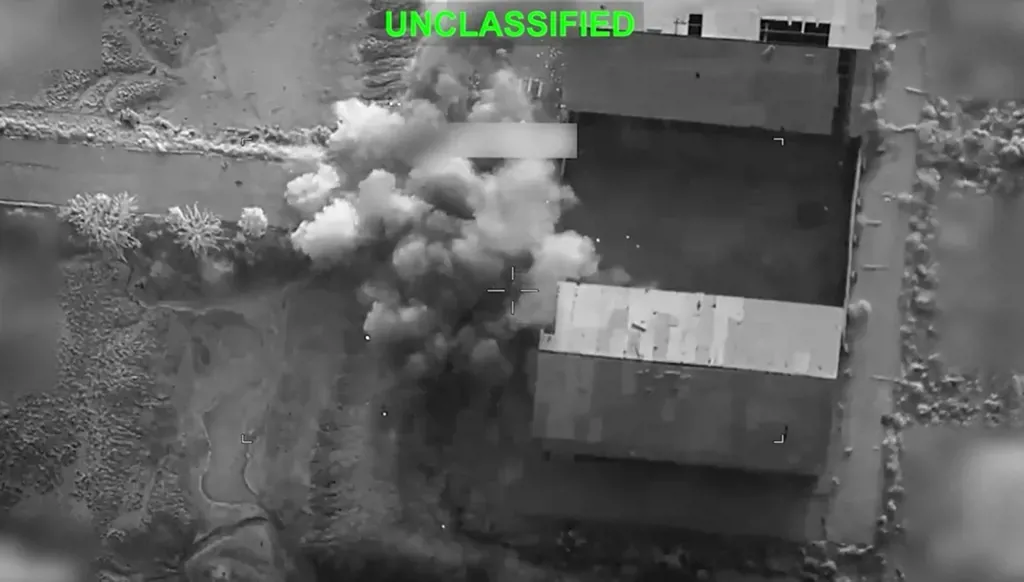
Trump also calculates that US strikes could weaken Iran's ability to target commercial vessels transiting the Omani shipping lane. This is why he keeps insisting that the strait remains open and that oil exports continue uninterrupted.
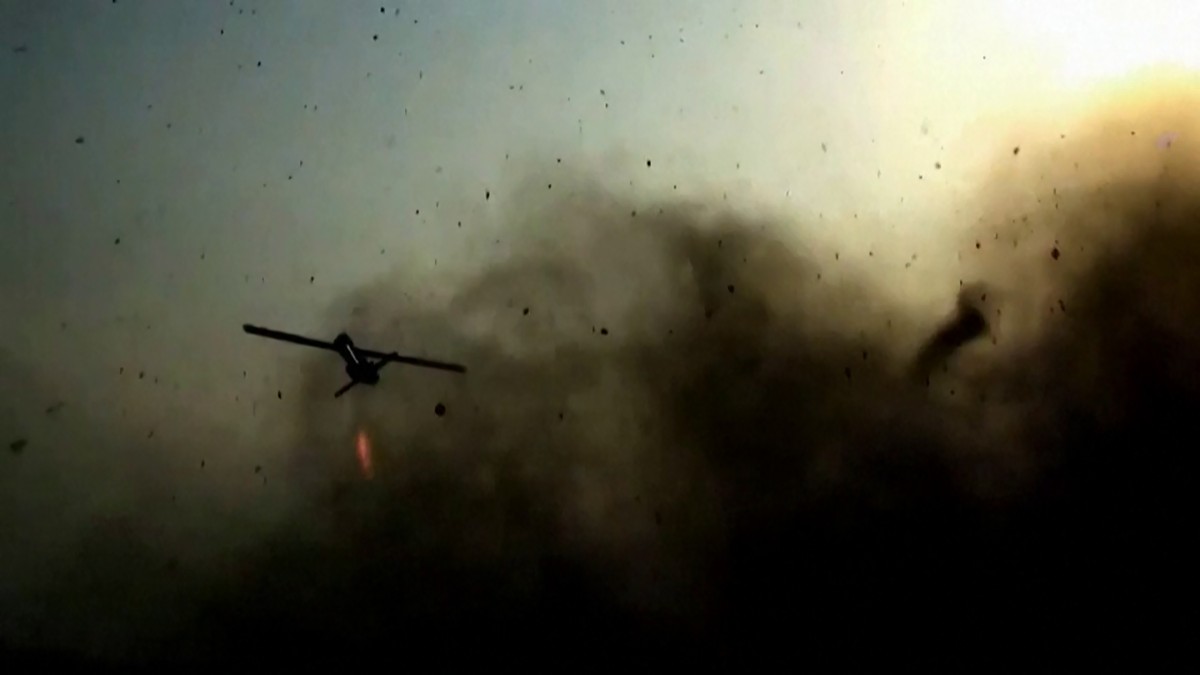
However, oil companies are also taking into account the threats issued by Iran's Islamic Revolutionary Guard Corps. Accordingly, shipping companies monitoring tanker traffic report that transit volumes have fallen back to the levels seen before the memorandum of understanding was signed. In recent days, Iranian missiles and drones have inflicted severe damage on several vessels and caused a number of sailors to be killed.
At the same time, the Iranian regime is moving in the opposite direction of making concessions, further complicating Trump's efforts and threatening to amplify the negative repercussions on the global economy by warning that it could close the Bab el-Mandeb Strait through the Houthis in Yemen. On Monday, a Houthi official warned that oil prices could rise to $200 per barrel if the strait were closed.
It is also worth noting that Iran itself risks placing excessive confidence in its ability to withstand the latest wave of US escalation, even as the economic hardships facing ordinary Iranians continue to intensify.
Disclaimer: The opinions expressed by the writers are their own and do not necessarily represent the views of Annahar.