Trump's backing puts Iraq's reform agenda to the test

Middle East 15-07-2026 | 13:34

Trump's backing puts Iraq's reform agenda to the test

Trump's public endorsement gives Iraq's Prime Minister international backing as he faces crucial tests on disarming armed factions and tackling entrenched corruption.


Trump's backing puts Iraq's reform agenda to the test
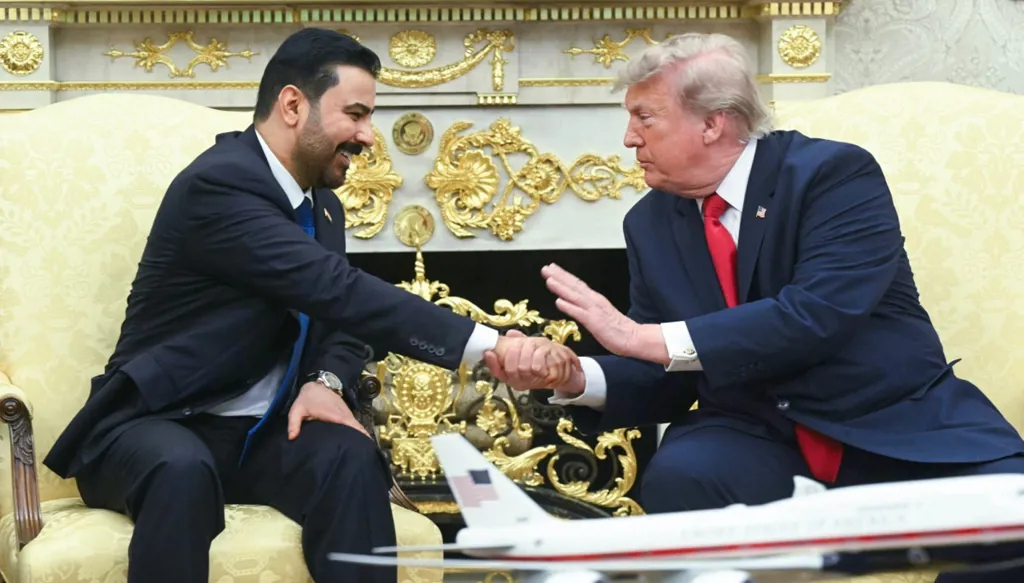
U.S. President Donald Trump shakes hands with Iraqi Prime Minister Ali Zaidi in the Oval Office of the White House in Washington, July 14, 2026. (AFP)
Smaller Bigger


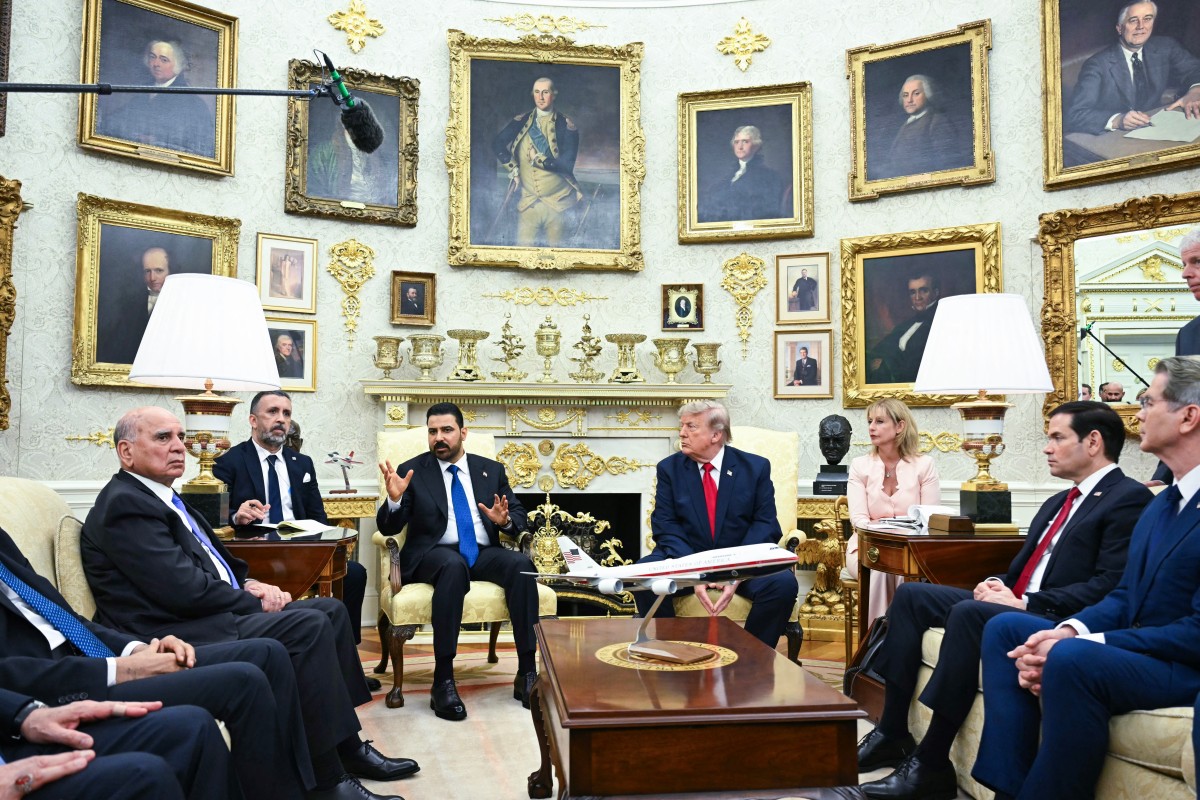
The meeting between Iraqi Prime Minister Ali Al Zaidi and US President Donald Trump at the White House carried significance that went beyond diplomatic protocol. Trump offered his Iraqi counterpart an unprecedented public show of political support, describing him as "brave" and "a fierce fighter," while expressing confidence that he would become one of the Middle East’s leading leaders.


This endorsement gives Al Zaidi strong international backing that could influence some of Iraq’s most sensitive domestic issues, particularly ensuring that only the state possesses weapons, continuing the fight against corruption, and strengthening the rule of law.


From the White House to Baghdad


The US support came at a highly sensitive moment, coinciding with Al Zaidi’s announcement from the White House that the end of September would be the final deadline for Iraqi factions to surrender their weapons. He stressed that no group would be allowed to possess arms outside the authority of the state and its official institutions.


The announcement is widely viewed as one of the clearest positions taken in years, as it links restoring the authority of the state with ending the problem of uncontrolled weapons, which has been one of the greatest challenges facing successive governments and has weakened state institutions while undermining both security and political decision making.


Observers believe that the messages conveyed during the White House meeting went beyond personal support for the Prime Minister, providing the Iraqi government with political and international backing to move forward with long awaited security and sovereignty reforms. This support is expected to strengthen the government's position in confronting groups that oppose dismantling armed factions or integrating them into official state institutions.


Monopoly of Weapons as the First Test


As Al Zaidi is expected to return to Baghdad within the next two days, attention is turning to his ability to transform the political support he secured in Washington into concrete decisions and executive measures. The first test will be delivering on his commitments to ensure that only the state possesses weapons and to enforce the rule of law on all parties without exception. This issue has become the main benchmark for assessing the government's determination to restore the state's exclusive control over the use of force.


Ali Al Jubouri, a professor of political science, told Annahar that "the period following Al Zaidi’s visit to Washington will be different on both the political and security levels because the public support expressed by the US administration goes beyond diplomatic courtesy. It reflects a genuine desire to support the Iraqi government in implementing long awaited reforms, especially ensuring that only the state possesses weapons and strengthening its institutions."


He added that Al Zaidi’s announcement setting the end of September as the final deadline for armed factions to surrender their weapons "represents a clear political commitment to both the Iraqi public and the international community, placing the government under pressure to turn these promises into practical measures during the coming period."


Trump gave Zaidi unprecedented public political support. (AFP)


Corruption Raises Expectations


The fight against corruption is no less complex than the issue of weapons. In Iraq, corruption has evolved into an interconnected system in which political and economic interests overlap, making any effort to hold those responsible accountable or recover embezzled public funds extremely challenging. While US support may provide the government with additional momentum, it also raises expectations and places the results of the reform process under close scrutiny by international partners.


Al Jubouri stressed that combating corruption "represents the government's second major test, given the overlapping interests and the presence of influential figures who protect corruption networks. This requires strong political will as well as both domestic and international support to achieve tangible results."


He added that US support "gives Al Zaidi greater political room to confront forces that oppose reform." However, he noted that continued support "will remain tied to the government's ability to make genuine progress in ensuring that only the state possesses weapons and in combating corruption," warning that any setback "could prompt Washington to reassess the level of its support, affecting security, economic, and financial cooperation between the two countries."


Support Alone Is Not Enough


Ali Nehme, a member of the Coordination Framework, told Annahar that the support shown by the United States for the Prime Minister during his visit to Washington "represents an opportunity to strengthen the government's efforts to implement reforms," stressing that the next phase "must include practical steps to ensure that only the state possesses weapons and to continue the fight against corruption."


He emphasized that the government's success in fulfilling its commitments "will strengthen the confidence of the Iraqi public and international partners, which requires coordinated political efforts and the necessary support to enforce the rule of law equally and without exception."