

Russia explored replacing Bashar al-Assad with his wife, report claims
A British newspaper investigation claims Moscow explored installing Asma al-Assad as Syria's next leader, detailing her alleged influence over the regime, economy, and decision-making.



 Messenger
 Whatsapp
 Threads
 Email
Email
 Print
Print
 X
X
 Facebook
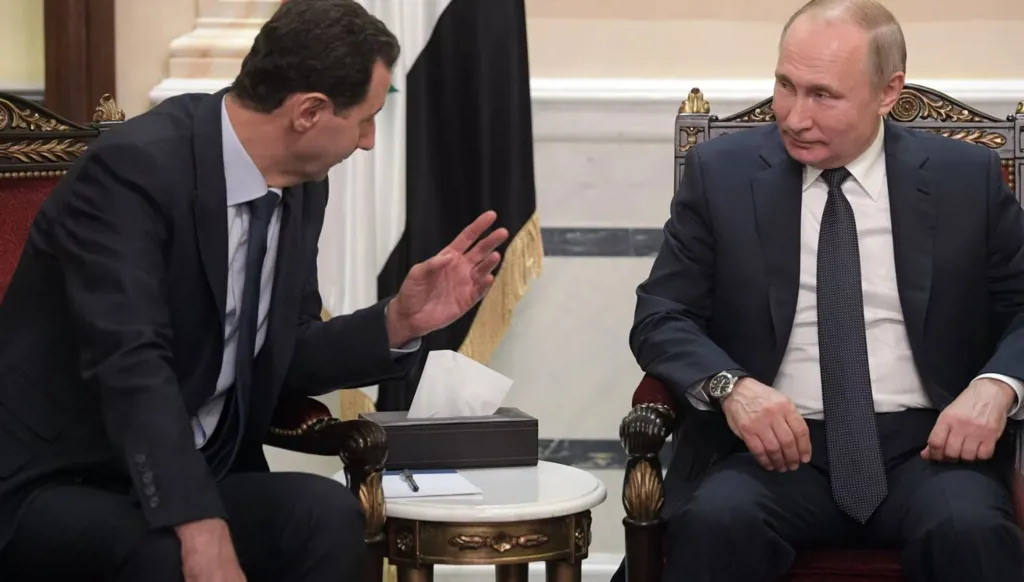


An investigation by the British newspaper The Observer has revealed that Russia considered nominating Asma al-Assad to succeed her ousted husband, former President Bashar al-Assad, as Syria’s leader.
The former first lady, who grew up in London before moving to Damascus, holds British citizenship. During the years of war, she consolidated her influence over the Syrian economy and became "a key figure in managing the regime and decision-making," according to the newspaper.
Several sources close to the ruling family said that Asma al-Assad wielded significant influence over key sectors of the Syrian economy, including international aid that the United Nations was aware was being embezzled.
The sources also claimed that "Asma stood idly by while intelligence agencies used children as political pawns through the orphanages managed by her charitable foundation."
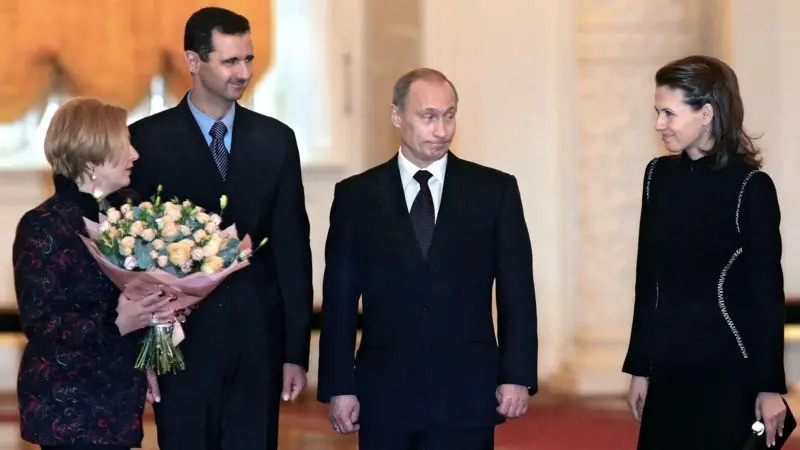
Meanwhile, The Observer learned from two informed sources that Asma’s brothers have been banned from entering the United Kingdom. Former Foreign Secretary David Lammy has stated that she is not welcome in the UK, although Asma herself has not received any indication that her British citizenship has been revoked.
Sources close to the former Syrian regime also told the newspaper that "the First Lady was power-hungry and promoted corrupt men loyal to her for personal gain." The sources alleged that "she was a bully. Men were arrested and tortured."
Jihad Yazigi, founder and editor-in-chief of The Syria Report, said, "She pressured businessmen to give up their companies. Those who did not comply with the orders of her office faced pressure, had their factories closed, their accounts frozen, or were accused of tax evasion."
Asma al-Assad’s father told The Observer that "the accusations against my daughter concerning her business and economic interests in Syria were never proven with evidence."
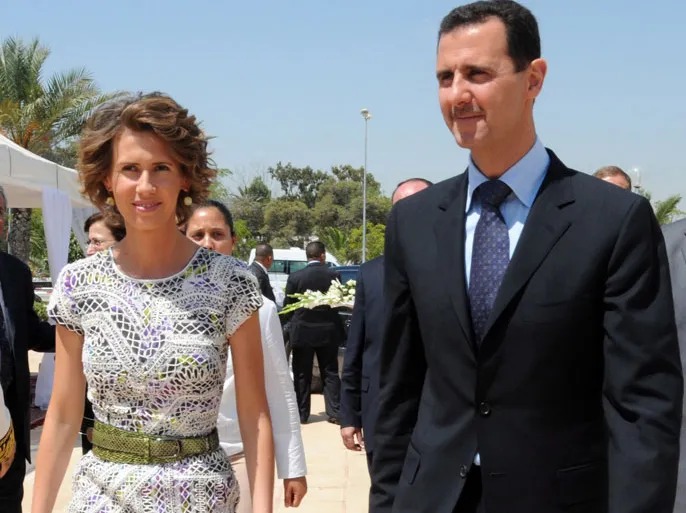
However, the main factor limiting Asma’s influence was the condition of Syria’s economy and infrastructure, which had been devastated by nearly a decade of war. According to a person familiar with aid operations in Syria, Asma created a network to capture as much humanitarian and development aid entering the country as possible.
At the same time, the First Lady’s influence within the presidential palace continued to grow. A source within the regime told the newspaper, "Nothing could pass with the president without her approval, because he consulted her on everything."
A prominent Syrian businessman said government officials frequently invoked the First Lady, telling them, "This is what the lady wants," or, "This decision is from the lady."
He added that "businessmen were constantly under surveillance, as she had a team monitoring individuals from the security and military apparatuses, as well as the Ministry of Interior, where she had two ministers loyal to her."
Another source said that, as a result, Asma was disliked by many senior figures within the regime because of her interference in their affairs.
According to the newspaper, the Russians had grown weary of Assad, and Russian President Vladimir Putin reportedly viewed him as "weak and in need of rescue."
Several sources told The Observer that Russia began drawing up a list of potential successors to Assad, with Asma at the top.
A source close to the regime said that "the idea of the First Lady succeeding her husband as president was proposed by the Russians," adding that "Assad was aware of it but paid it no heed." The source concluded: "This conversation took place, and President Assad was informed of it, but he scoffed at it."