

Israel heads toward a pivotal election as Netanyahu’s future hangs in balance
With the Knesset elections set for 27 October, Israel enters a complex political contest marked by the aftermath of war, shifting voter priorities, Gadi Eisenkot’s rise in the polls, Netanyahu’s efforts to consolidate control over Likud, and growing concerns over foreign interference and artificial intelligence driven disinformation.



 Messenger
 Whatsapp
 Threads
 Email
Email
 Print
Print
 X
X
 Facebook
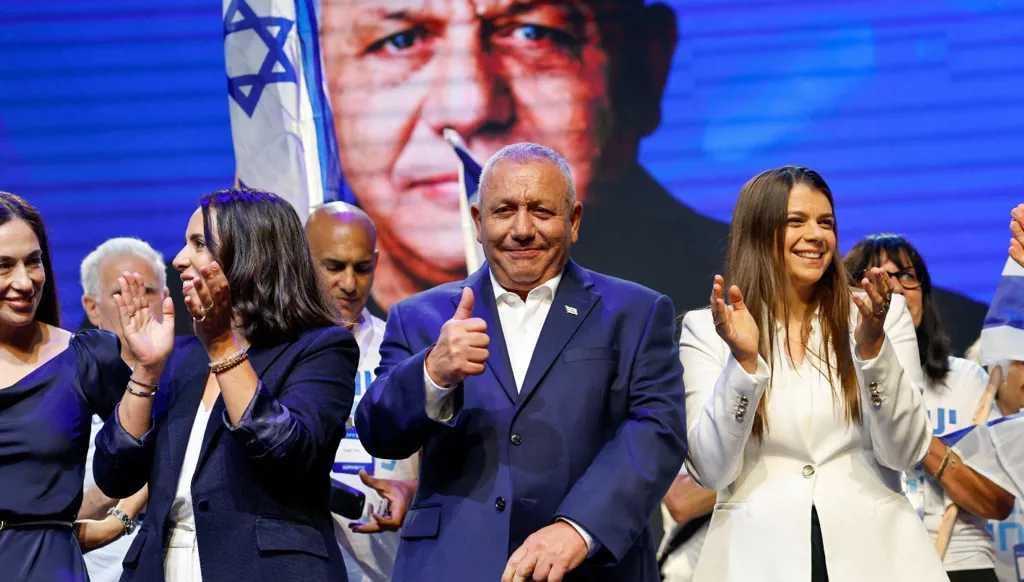
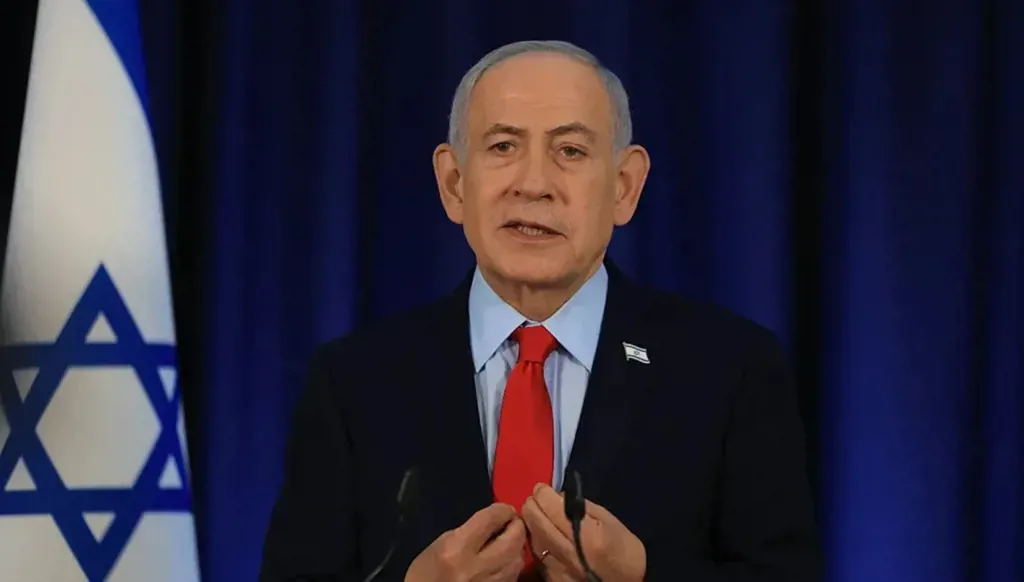


Israel officially enters the race for the Knesset elections scheduled for 27 October, amid the most complex political landscape in years. After the 7 October war and the confrontations that followed on multiple fronts, the elections are centered on whether Prime Minister Benjamin Netanyahu will remain in power, as well as the shape of Israeli leadership in the post war period, the role of the military establishment in politics, and the future of the right wing itself.
While security tops voters’ priorities, opinion polls show former Chief of Staff Gadi Eisenkot gaining ground, at a time when Netanyahu is fighting a parallel battle to tighten his control over the Likud party ahead of the ballot.
Elections after a war that changed Israel
The Knesset approved holding the elections on schedule, for the first time since 1988, with the parliament set to be dissolved on 17 July, marking the official launch of the election campaign. The vote comes after a term marked by successive crises, from protests against the “judicial reform” plan and the continuation of Netanyahu’s corruption trials, to the 7 October attack that reshaped Israel’s political priorities and placed security at the center of the election battle.
Since that date, Israel has been engaged in an open-ended war on multiple fronts, accompanied by ongoing protests demanding the release of the hostages held in the Gaza Strip. Meanwhile, Netanyahu’s government has expanded its military operations and its field presence in the Gaza Strip, southern Lebanon, and southern Syria, alongside an increase in settlement activity in the West Bank and attacks by settler groups known as the “Hilltop Youth”.
In addition, ongoing military operations in the northern West Bank have led to the displacement of around 40,000 Palestinians from the Jenin, Tulkarm, and Nur Shams refugee camps, turning security issues into the main focus dominating all political and electoral discussions.
Despite the continuation of the war, the government’s responsibility for the failures that preceded the 7 October attack remains a central issue in the domestic debate. A poll conducted by i24NEWS showed that 51% of Israelis believe the government should have fallen during the war, compared with 44% who considered that the security situation did not allow for elections to be held.
The poll reflects a sharp divide between the government and opposition camps. Among coalition voters, 77% expressed confidence in the government’s ability to complete its term, compared with only 18% who opposed this view. Meanwhile, 87% of opposition voters believed the government’s collapse was inevitable, compared with 9% who expected it to remain in power.
The ruling coalition is expected to use the final days before the Knesset’s dissolution to pass as many laws as possible, particularly the law exempting ultra-Orthodox Jews from military service, in addition to legislation advancing the plan to amend the judicial system. These issues are likely to remain at the heart of the political confrontation until election day.
Eisenkot rises as security shapes the electoral mood
Opinion polls, meanwhile, show a notable shift in the balance of power, with former Chief of Staff Gadi Eisenkot, who leads the “Yashar” party, gaining ground over his rivals.
A poll conducted by the Kantar Institute and published by Israel’s public broadcaster Kan showed that Eisenkot’s party would win 24 seats if elections were held today, placing it ahead of the Likud party. The “Beyachad” alliance, led by former Prime Minister Naftali Bennett and including opposition leader Yair Lapid, would win around 15 seats.
Eisenkot also leads Netanyahu in response to the question of “who is the most suitable to serve as prime minister?”, receiving the support of 41% compared with 37% for Netanyahu, while 22% said that neither of them was suitable for the position.
In a contest between Netanyahu and Bennett, the former received 38% support compared with 34% for the latter, while 28% said that neither was suitable. However, when comparing Eisenkot and Bennett, the gap widened, with Eisenkot receiving 39% compared with 21% for Bennett.
The polls also reveal that the security issue will remain the most influential factor shaping voters’ choices, after 25% of respondents considered it the top issue that would determine the upcoming elections, ahead of the establishment of an inquiry committee into the failures of 7 October, the economy, the rising cost of living, and judicial reform.
Netanyahu strengthens his grip on Likud
After weeks of debate within the Likud party, the mechanism for selecting Knesset election candidates has been settled, with the primary elections being maintained and the powers of the party leader, namely Netanyahu, expanded in forming the candidate list.
The primaries are scheduled to take place on 17 August, after the Likud Constitution Committee approved granting Netanyahu the right to reserve eight seats among the first 30 names on the list. These include three seats among the top ten, three in the second ten, one in the third ten, as well as the 26th seat, in addition to another seat outside the guaranteed positions.
This effectively ended proposals calling for the cancellation of the primaries or their replacement with a party committee responsible for selecting candidates, after these ideas triggered objections and threats to appeal to the party court.
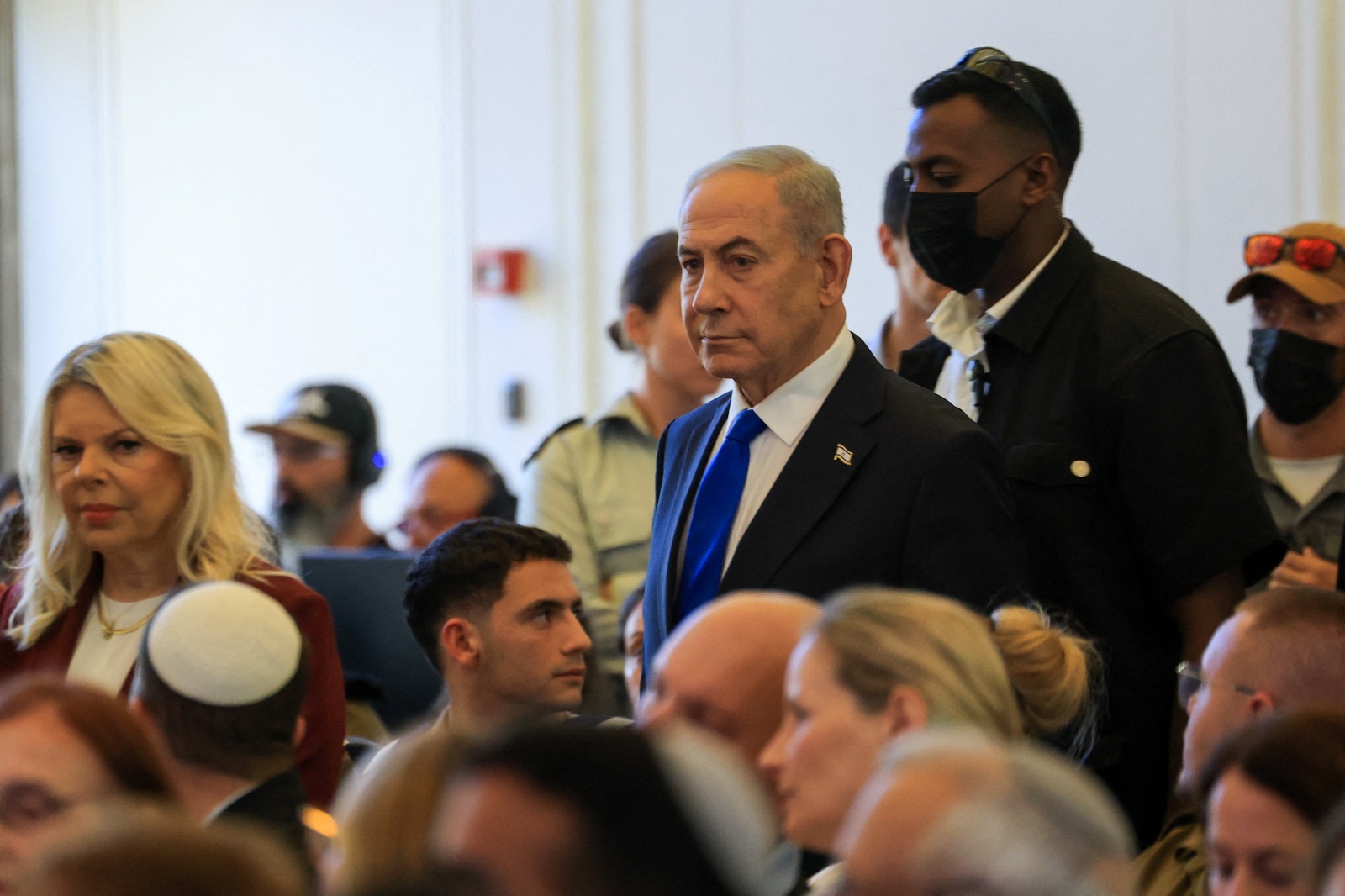
According to Israeli media reports, Netanyahu is seeking to attract new figures with strong public appeal to boost Likud’s electoral attractiveness, as part of efforts to reshape the party’s public image and remove some figures he believes are alienating undecided voters, including Tali Gottlieb, Dudi Amsalem, and May Golan. However, people close to him acknowledged that persuading prominent figures to enter political life remains an extremely difficult task.
Artificial intelligence enters the race
Alongside the party competition, a new issue has emerged in the Israeli debate: the possibility of the elections being subject to foreign interference, particularly through digital disinformation campaigns and artificial intelligence technologies.
A poll published by i24NEWS, in cooperation with the Direct Polls Institute, showed that 53% of Israelis believe that the state’s preparations to confront foreign interference are insufficient, compared with 33% who expressed confidence in the ability of official institutions to protect the integrity of the electoral process, while others remained undecided.
In addition, 64% of opposition voters believe that Israel is not prepared to deal with these threats, while 44% said that it has the necessary tools to confront them.
Concerns are focused particularly on the use of artificial intelligence technologies to produce misleading content and influence voters’ opinions during the election campaign. This issue has been added to security, war, and the economy as one of the factors that will continue to shape the Israeli political landscape until election day.