

Lebanon-Israel negotiations enter a new phase ahead of Aoun-Trump meeting
As talks shift to Rome, Lebanon seeks stronger American backing while balancing pressure over Hezbollah, Israel, and regional stability.



 Messenger
 Whatsapp
 Threads
 Email
Email
 Print
Print
 X
X
 Facebook


Lebanon opposed moving its negotiations with Israel outside the American capital, or even to the capitals of friendly countries, despite the burden that repeated travel to the United States places on the Lebanese delegation with each round of talks.
From the outset, Beirut insisted on keeping the negotiations under direct American sponsorship and within the oversight of the US State Department, fearing that any shift in venue could weaken the diplomatic momentum or allow the process to stall if major obstacles emerged.
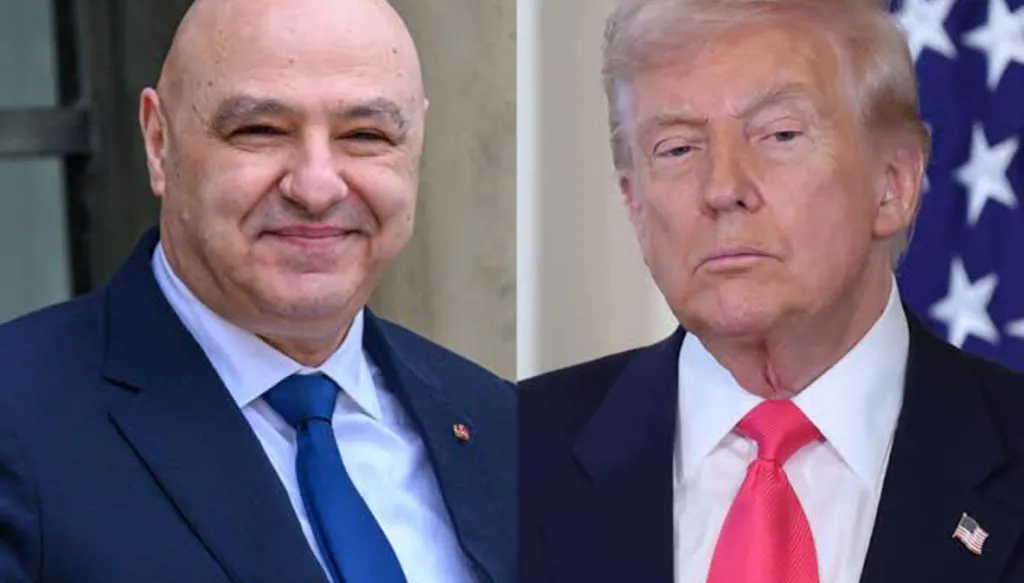
Against that backdrop, the decision to hold the negotiations in Italy appears to mark a transition to a new phase. It remains unclear whether President Joseph Aoun's upcoming visit to Washington to meet President Donald Trump can restore the strength of direct American sponsorship and inject fresh momentum into the negotiations, particularly as the Rome talks taking place today and tomorrow precede that visit.
At the same time, intensive efforts, both publicly and behind the scenes, were made at various levels to secure a meeting between President Aoun and his American counterpart at the White House. The prolonged delay in arranging such a meeting would have carried significant negative implications for Lebanon, especially after Trump met Syrian President Ahmad Al-Sharaa and invited Iraqi Prime Minister Ali Al-Zaidi to Washington shortly after he took office more than two months ago.
As a result, Aoun's visit cannot be confined to reiterating Lebanon's known positions and longstanding principles. When Trump first raised the possibility of inviting Aoun to the White House, he linked the invitation to a meeting with Israeli Prime Minister Benjamin Netanyahu as part of a peace treaty process between Lebanon and Israel.
The prospect of another Arab country making peace with Israel after decades of conflict appealed greatly to Trump. However, that enthusiasm waned after President Aoun declined to meet Netanyahu under what he considered inappropriate timing and circumstances, reducing the American president's interest, which is often drawn to initiatives that can culminate in a tangible deal.
Simply raising the issue of Israel's occupation and requesting American pressure to secure an Israeli withdrawal may not be sufficient unless accompanied by commitments that guarantee Israel's security and prevent threats from originating in Lebanon. At the same time, Iran has remained determined, at least until recent months, to continue using Lebanon to serve its interests, while Lebanon lacks the capacity to prevent Tehran's repeated attempts to preserve Hezbollah as an active and influential card.
From this perspective, some believe one of President Aoun's strongest assets is that increased US support for Lebanon would represent a decisive break from Iran's sphere of influence amid the ongoing US-Iran confrontation. It would also help distance Lebanon from the Israeli border, thereby contributing to Israel's security while laying the foundations for broader regional stability through Lebanon, which remains a pivotal link in that equation.
Aoun's visit to Washington cannot fail to be a defining milestone, both for his presidency and for Lebanon. At the same time, many fear efforts to undermine the positions he carries by emphasizing internal divisions that weaken the unified stance the President of the Republic is expected to represent, particularly amid the fierce campaign launched against him by Hezbollah officials.
Although Washington has a detailed understanding of Lebanon's internal realities, the United States is not Caritas, especially under Trump. The commitments Aoun may present will require far more than goodwill and national resolve, particularly given that the United States has yet to exert sufficient pressure on Israel to honor the agreement it signed with Lebanon.
In reality, Israel has made it difficult for the Trump administration to strengthen the Lebanese state by refusing to end its military operations and complete its withdrawal before Hezbollah is disarmed. At the same time, its continued escalatory rhetoric, which many link to its approaching elections, effectively plays into the hands of Hezbollah and Iran.
Disclaimer: The opinions expressed by the writers are their own and do not necessarily represent the views of Annahar.