Rome talks resume as Beirut seeks full Israeli withdrawal
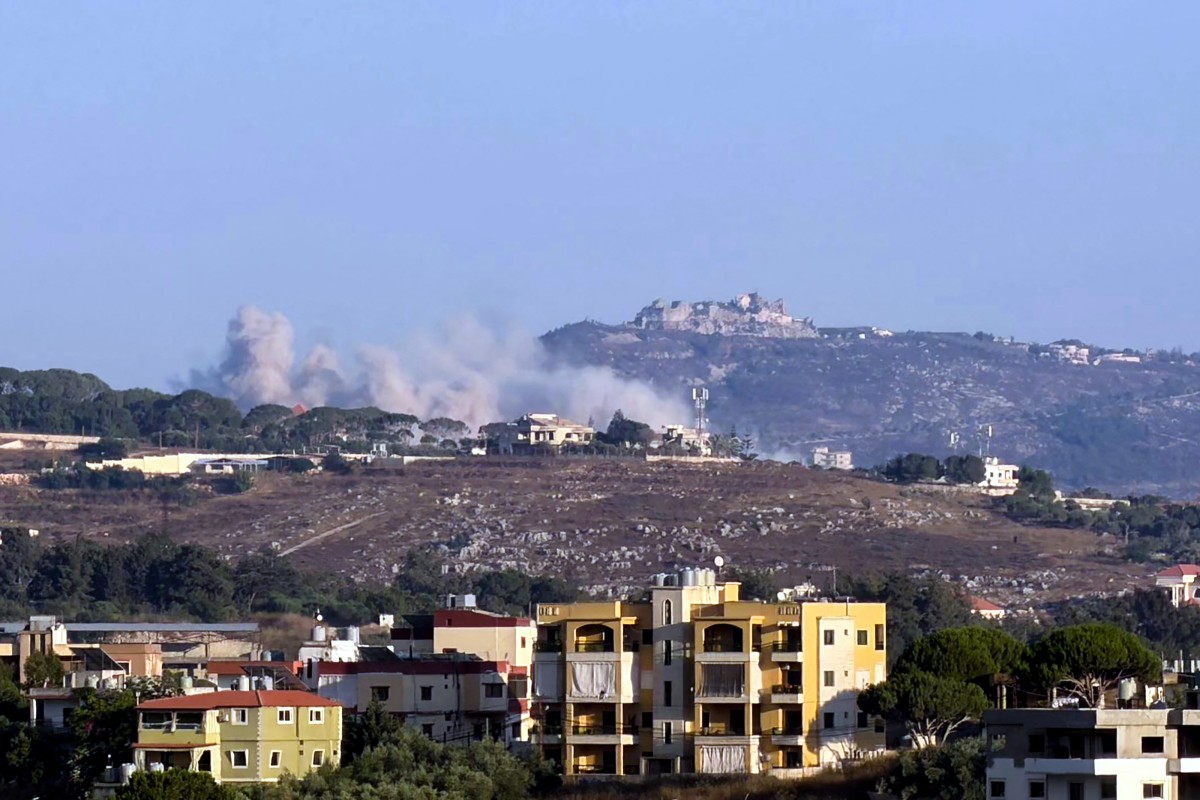
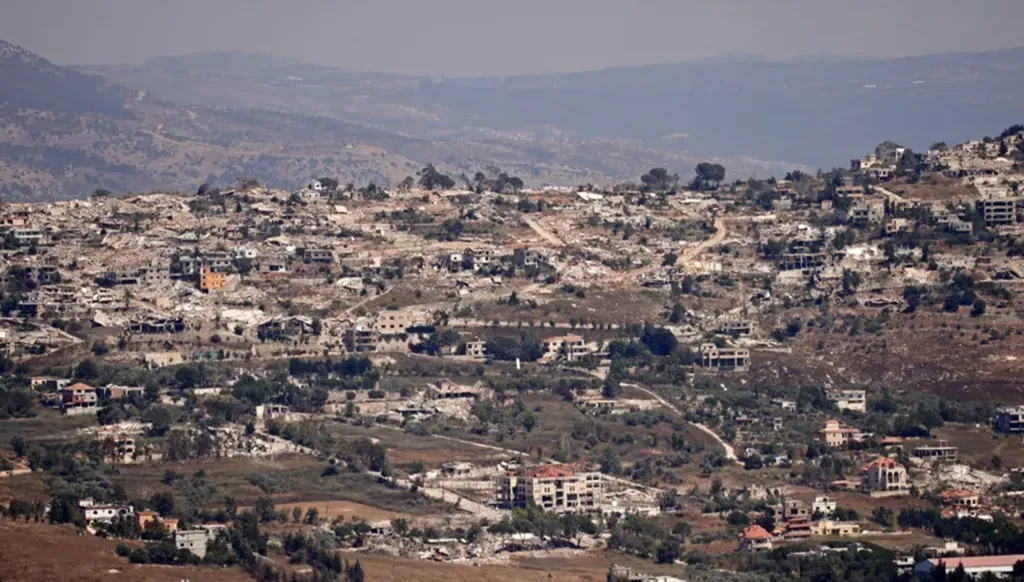
Lebanon and Israel resumed negotiations in Rome for a second day amid reported progress on Israeli withdrawal discussions, while Israeli strikes and military operations continued across southern Lebanon.



 Messenger
 Whatsapp
 Threads
 Email
Email
 Print
Print
 X
X
 Facebook

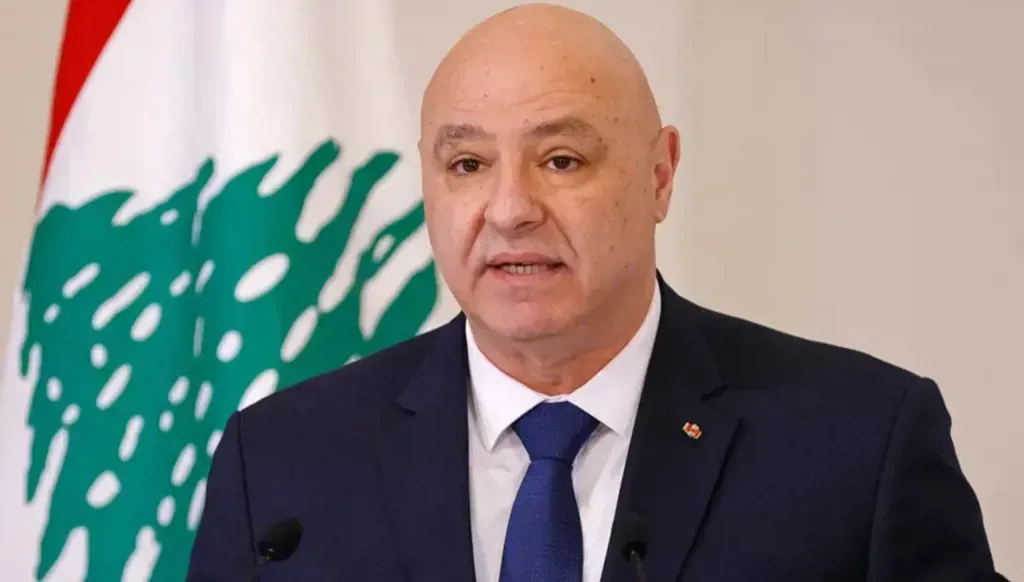


Lebanon and Israel will continue talks this morning with the second round of negotiations taking place at the United States Embassy in Rome. Lebanon remains firm in demanding guarantees that Israel will fully withdraw from the areas designated as "pilot zones" once an agreement is reached, paving the way for the practical implementation of the Framework Agreement signed in Washington on June 26.
According to information obtained by Annahar, the first round of Lebanese Israeli negotiations yesterday took place in a positive atmosphere, with indications of progress, although several issues still require further discussion and review.
The negotiations will resume today at 10:00 a.m. Beirut time. It has been learned that the Israeli side asked the Lebanese delegation to provide additional clarification on the mechanism for verifying that the Lebanese Army has established full control over the areas from which the Israeli Army may withdraw, and how it intends to deal with Hezbollah in those areas.
Following close monitoring by the President's advisory team from Baabda Palace, with Army Commander General Rodolphe Haykal participating in part of the discussions, the Lebanese side is expected to present its responses during today's session regarding the deployment arrangements for the Lebanese Army in the evacuated areas in a way that ensures the implementation of the understandings currently under discussion.
In this context, Israeli Foreign Minister Gideon Saar said he expects the talks with Lebanon in Rome to help achieve progress on the withdrawal of Israeli forces from two "pilot zones" in southern Lebanon.
He added, "We are ready to move forward with these two pilot zones. I hope, and I believe, that this round of discussions in Rome will help achieve that."
While United States Ambassador to Lebanon Michel Issa was absent because he was in Washington, the United States Department of State continued to follow the talks as part of its efforts to reinforce the ceasefire and encourage both sides to implement the first phase of the agreement, with the possibility of moving the negotiations back to Washington if the current round encounters obstacles.
As Annahar reported on Sunday, the Israeli delegation, along with part of the United States delegation, arrived more than an hour late, delaying the start of the negotiations, which focused on establishing the implementation mechanisms for the agreement. The talks will resume today at 10:00 a.m.
Legislative session
Domestically, Parliament will hold a legislative session today and tomorrow, provided a legal quorum continues to be met. The session was called by Parliament Speaker Nabih Berri. It would not have attracted such widespread attention were it not for Item 44, the final item on the agenda, concerning the general amnesty law, which has repeatedly been postponed because of ongoing disagreements.
It has been learned that Berri deliberately placed the item at the end of the second day to allow more time for consultations in the hope of reaching a compromise acceptable to all parties and to avoid the loss of quorum or a boycott of the session if the issue were to arise during the early hours of the proceedings.
Also in Parliament, the Finance and Budget Committee approved Articles 3 and 13 of the Banking Reform Law following agreement between the government, Banque du Liban, and the International Monetary Fund. Committee Chairman Ibrahim Kanaan said, "We gave the process a chance and resolved the most significant issue. Depositors' funds cannot be recovered through legislation alone but also require political will and funding."
Kanaan also addressed the issue of depositors, saying, "The implementation of the Banking Reform Law is contingent upon the Deposits Recovery Law, which is incorrectly referred to as the Gap Law. It should be noted that the Deposits Recovery Law has not been left pending in Parliament. After it was submitted by the government, it faced significant objections from the International Monetary Fund, Banque du Liban, as well as various Lebanese authorities, unions, and associations.
It is currently being reviewed again by the government, which has formed a committee at the Grand Serail that includes representatives from Banque du Liban, the Ministries of Finance and Economy, and the International Monetary Fund."