

US expands strikes on Iran as tensions surge around the Strait of Hormuz
Military escalation intensifies across the Middle East as the United States expands its campaign against Iran, Tehran retaliates with attacks on US assets across the region, and tensions around the Strait of Hormuz continue to rise



 Messenger
 Whatsapp
 Threads
 Email
Email
 Print
Print
 X
X
 Facebook
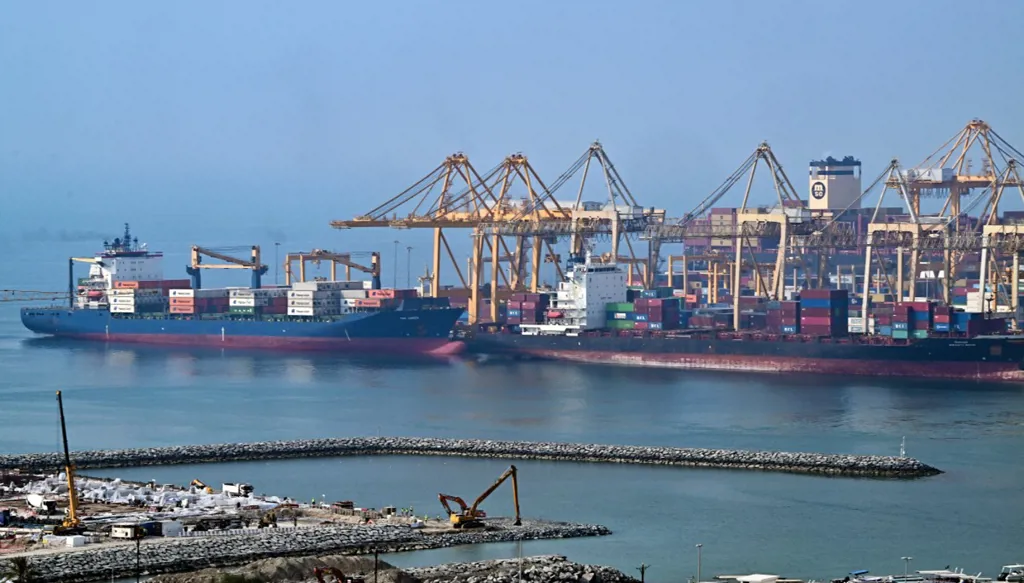
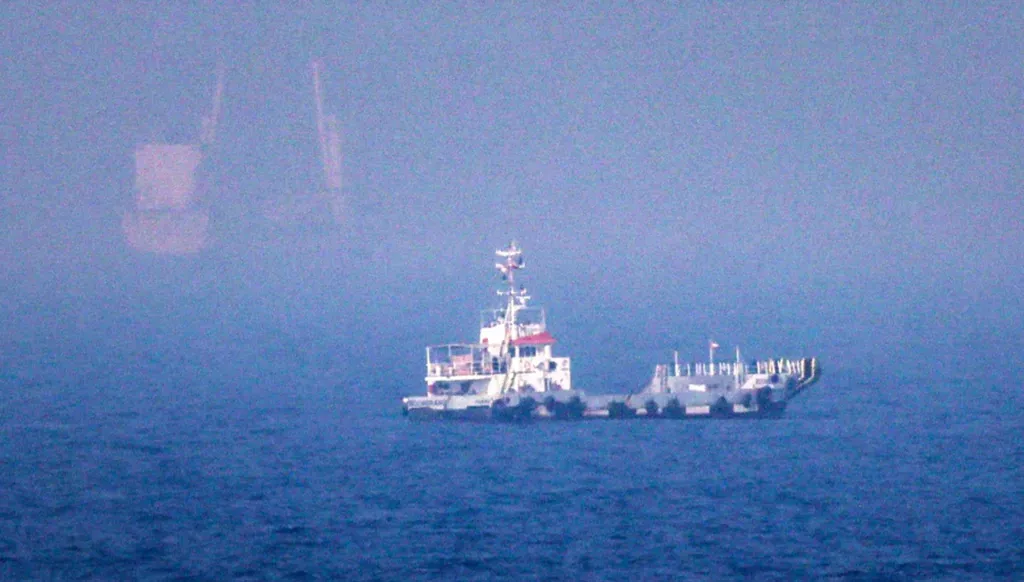


The escalation in the Middle East and around the Strait of Hormuz has continued for a fourth consecutive day, as the United States intensified its military strikes on areas in Iran, including the Iranian coastline and the waters surrounding the strait. This comes as the United States has resumed its naval blockade of Iranian ports.
U.S. forces resumed the naval blockade against vessels transiting to and from Iranian ports and coastal areas today at 4 p.m. ET.
There are currently more than 20 U.S. Navy warships and hundreds of military aircraft operating across the Middle East. American forces remain… pic.twitter.com/ATRJHlLQNo
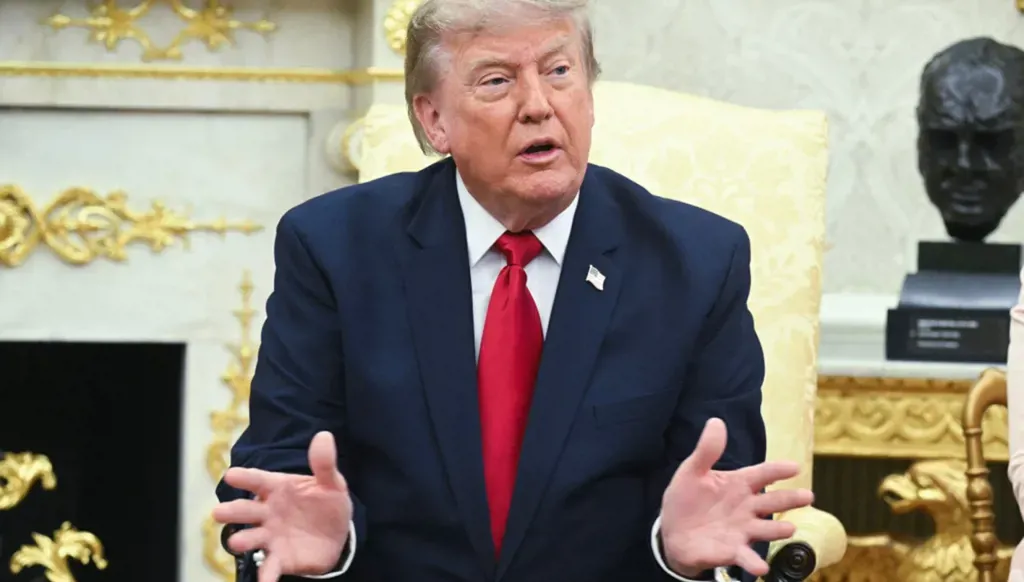
Although President Donald Trump backed away from his threat to impose tariffs on ships transiting the Strait of Hormuz, he warned that the United States would expand its strikes on Iran next week to include power stations and bridges if Tehran does not agree to reach a deal.
The new wave of US strikes prompted an Iranian response that included attacks on US bases across the Gulf and the wider region, continuing the Islamic Revolutionary Guard Corps' campaign of targeting those bases since the war began.
New Wave of US Strikes on Iran
On Wednesday morning, the United States Central Command (CENTCOM) announced that it had "completed another round of strikes against Iran, targeting dozens of military sites near the Strait of Hormuz and along Iran's coastal areas."
CENTCOM said in a statement, "US fighter aircraft, drones, and naval vessels launched precision munitions targeting Iranian missile and drone sites, naval capabilities, and coastal defense systems during a seven-hour offensive operation. The objective was to further degrade Iran's ability to threaten commercial shipping and civilian vessel crews."
CENTCOM also confirmed that "the strikes took place on the same day US forces resumed enforcing the naval blockade on ships traveling to or from Iranian ports and coastal areas," adding that "the blockade came into effect today at 4:00 p.m. Eastern Time in the United States."
CENTCOM emphasized that "US forces remain on high alert and at full combat readiness, prepared to carry out any operations directed by the Commander in Chief."
On Tuesday night, Iranian state media reported explosions near the city of Bandar Abbas, on Qeshm Island near the Strait of Hormuz, and at other locations.
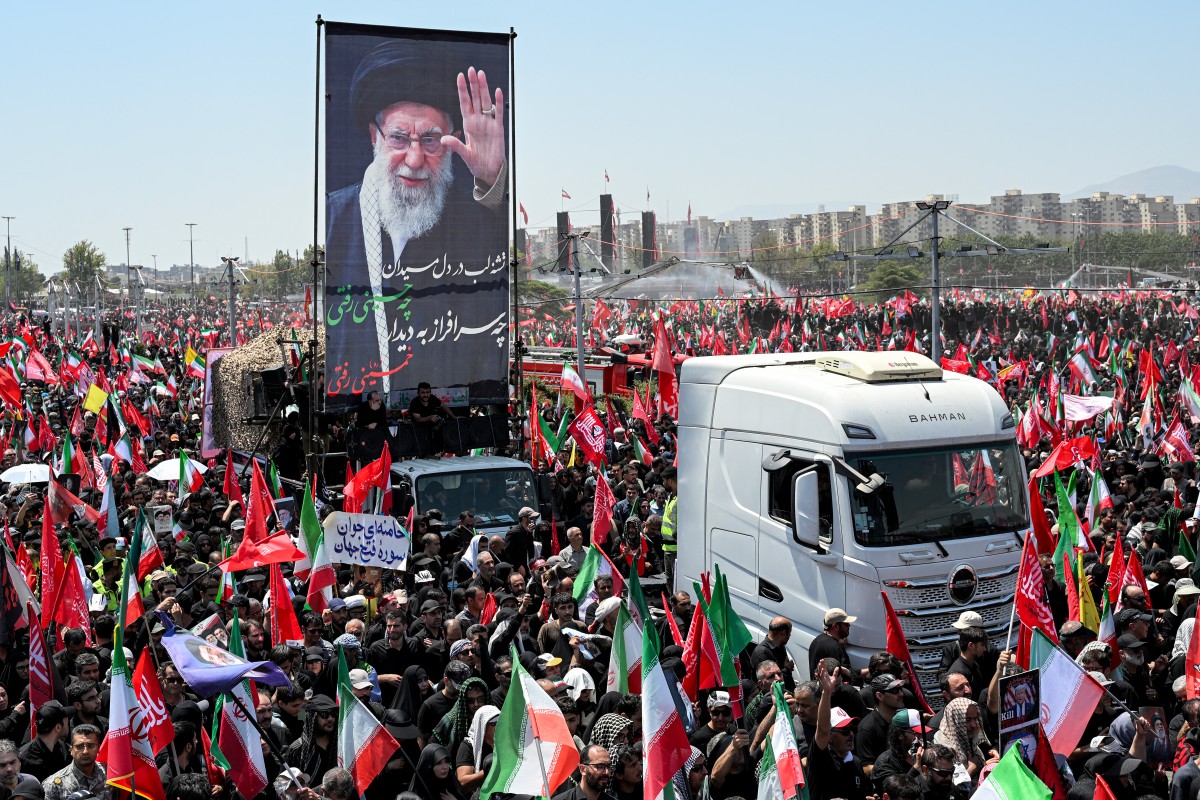
Islamic Revolutionary Guard Corps
For its part, the US military and Iran's Islamic Revolutionary Guard Corps carried out a series of attacks on US targets in Jordan, Kuwait, and Bahrain in response to the latest US airstrikes.
The Iranian military said it had targeted Azraq Air Base in Jordan with drones, according to Iranian state television. The Islamic Revolutionary Guard Corps also announced that it had launched cruise missiles at a US military logistics center in the Mina Abdullah area of Kuwait, in addition to destroying the headquarters of the US Fifth Fleet, fuel facilities, and military equipment in Bahrain.
The Islamic Revolutionary Guard Corps stressed that the Strait of Hormuz would remain closed "until the United States ends its acts of aggression," adding, "The enemy should expect the closure of other oil and gas export routes that serve the interests of the United States and its allies."
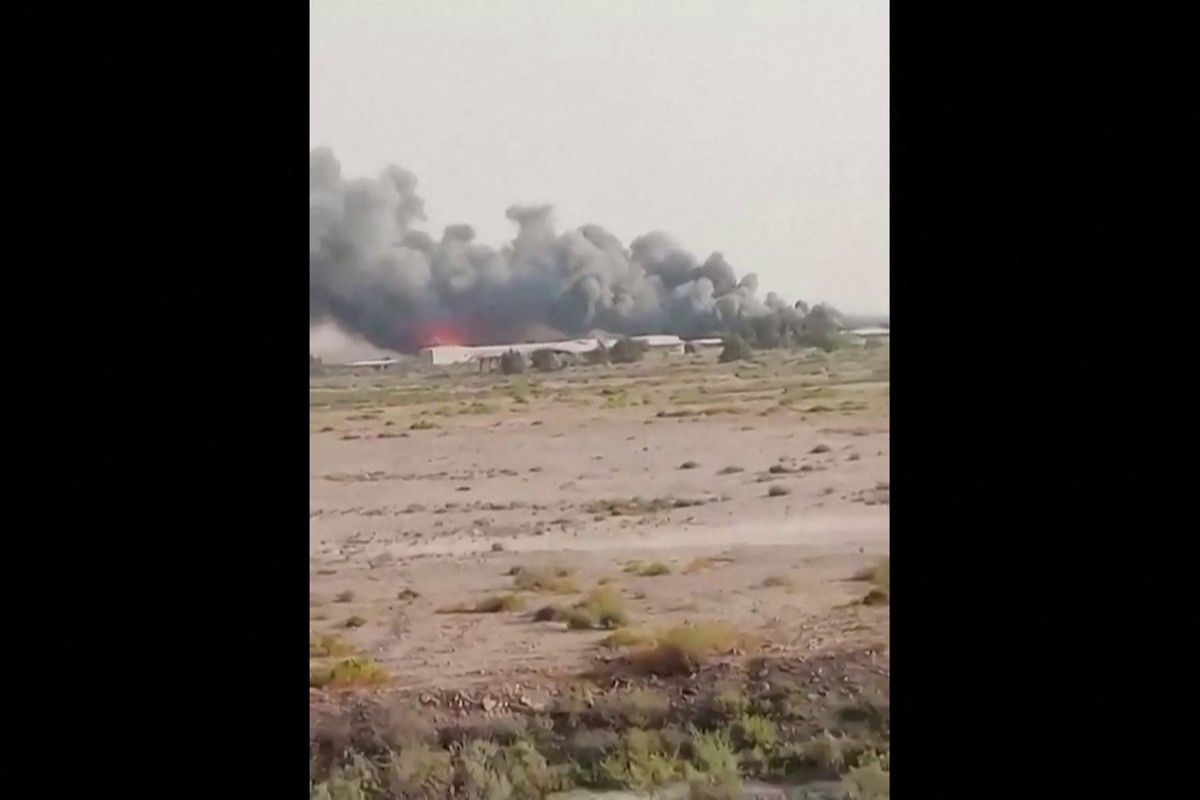
Explosions in the Strait of Hormuz
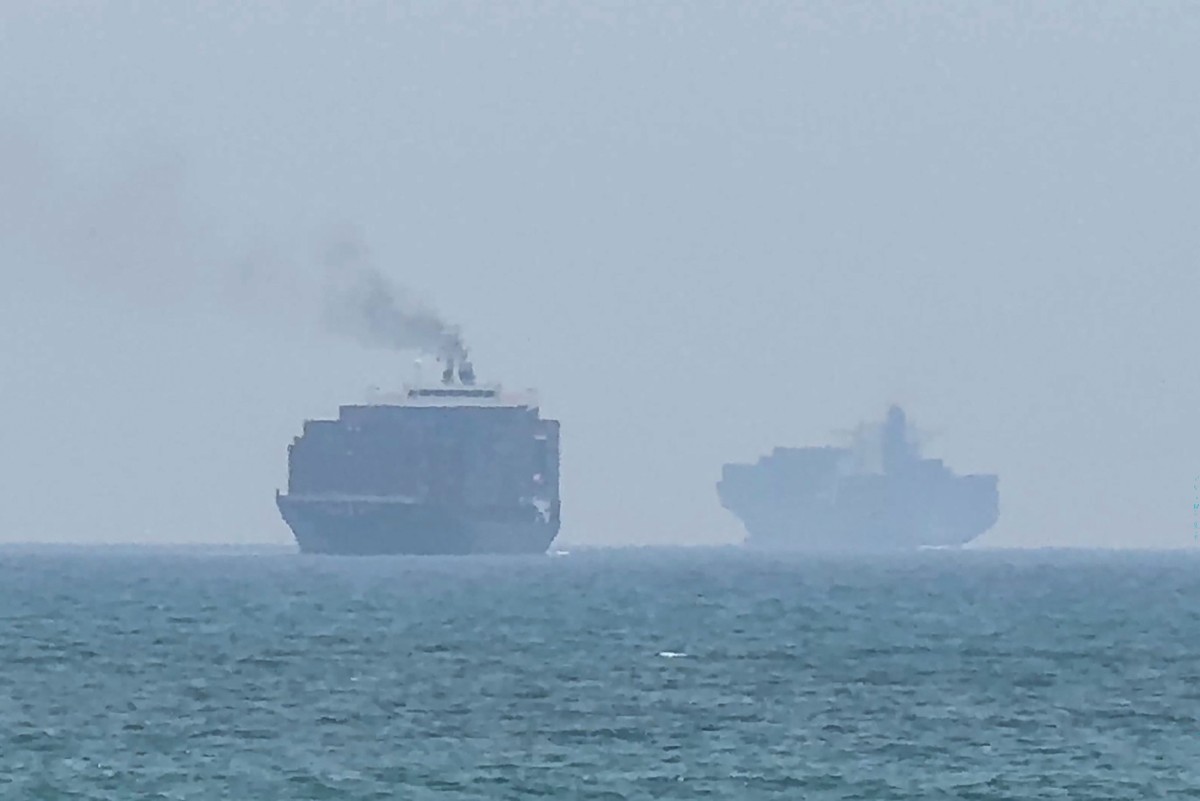
Earlier on Tuesday, the United Arab Emirates announced that two of its tankers had come under Iranian missile attacks in the Strait of Hormuz, resulting in the death of one Indian crew member. India summoned an Iranian diplomat in New Delhi to protest the attack.
The Kuwaiti military also reported that one of its warships was attacked by Iranian missiles and drones, leaving four crew members injured.
The United Kingdom Maritime Trade Operations (UKMTO) also reported an attack in the area, although it was not immediately clear whether it was referring to the same incident.
A Norwegian tanker also experienced an explosion of unknown origin off the coast of Oman, according to a crisis response company on Tuesday.
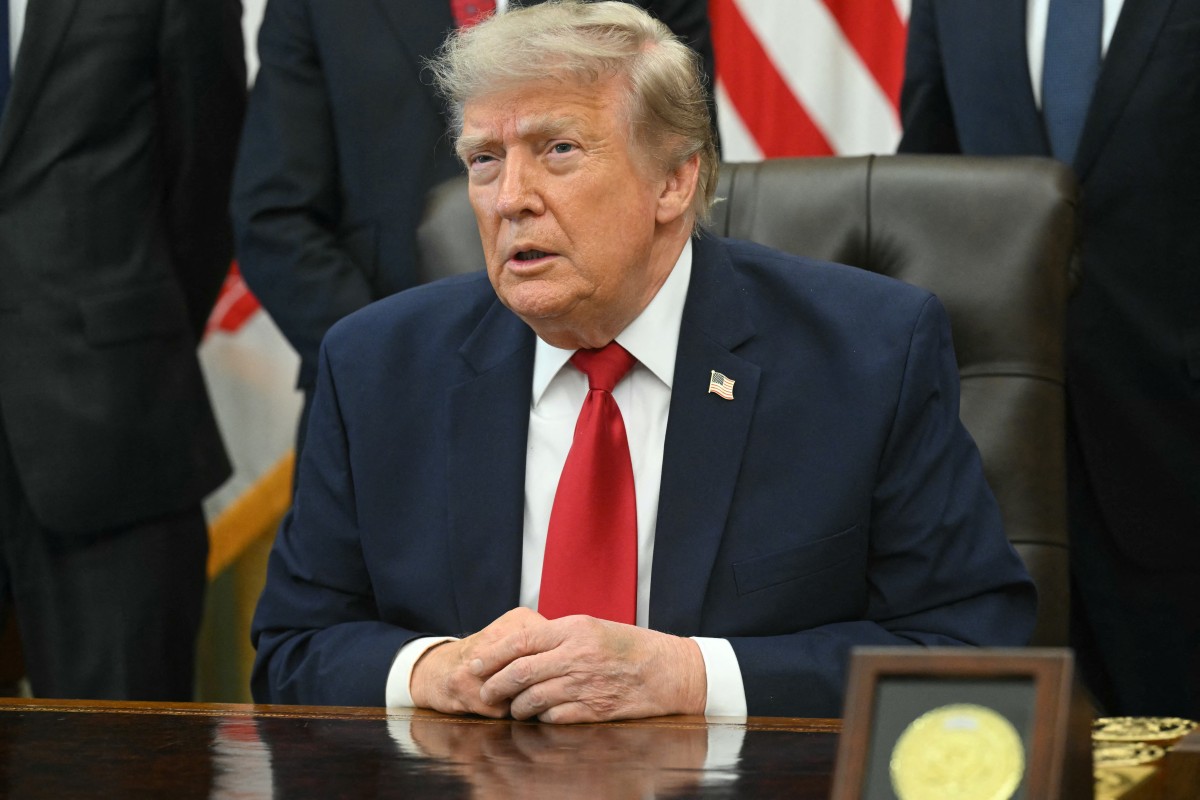
A day after announcing his intention to impose fees on ships transiting the Strait of Hormuz, President Donald Trump said on Tuesday that he had reversed the decision and would instead pursue trade agreements with allied Gulf states.
He said, "I have decided to replace the 20 percent US recovery fee with trade and investment agreements that various Gulf countries will conclude with the United States."
Trump also threatened, in an interview with Fox News, to target Iran's power infrastructure, saying, "Next week is going to be very bad for them because next week their power stations will be targeted. Next week their bridges will be targeted."
He added, "We will destroy all of their power stations. We will destroy all of their bridges unless they return to the negotiating table."
When asked how long the US strikes would continue, Trump replied, "They will continue until I say that's enough."