

Iraq's Al-Zaidi to reshape counterterrorism strategy during Washington visit
With thousands of ISIS detainees transferred from Syria and US forces preparing to scale back their mission, Baghdad and Washington confront a critical test to prevent the group’s resurgence.



 Messenger
 Whatsapp
 Threads
 Email
Email
 Print
Print
 X
X
 Facebook
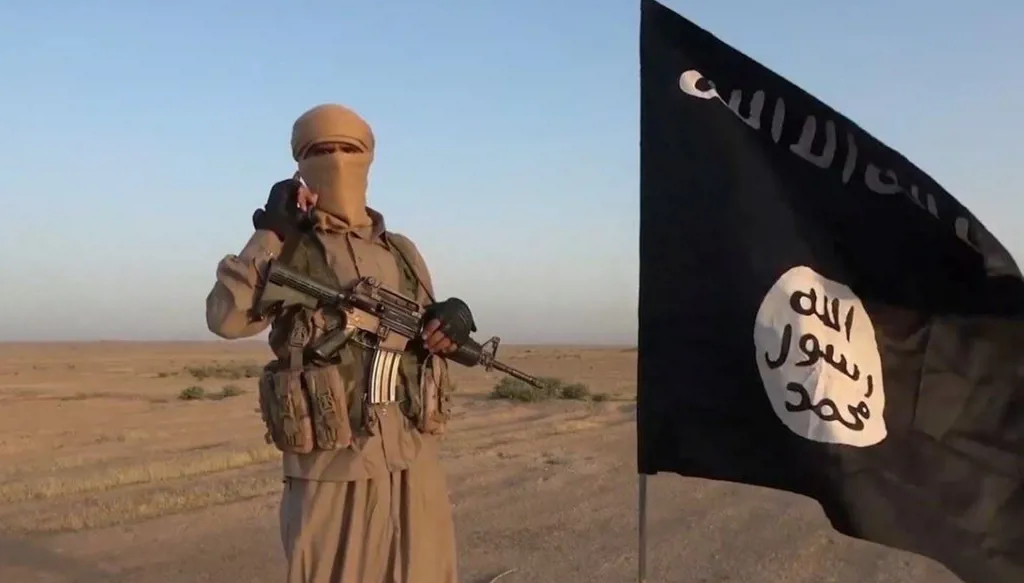


On the eve of Iraqi Prime Minister Ali Al-Zaidi’s visit to Washington, Iraqi forces, backed by the US-led coalition, launched a series of operations targeting “Islamic State” (ISIS) positions. Although the group’s presence has significantly declined since its military defeat in Iraq nearly a decade ago, its remnants continue to exploit unstable environments and may attempt to rebuild their ranks and capabilities by capitalizing on new dynamics, including the transfer of 5,700 ISIS detainees to Iraq.
While the future of the fight against the organization is unlikely to be the main focus of Al-Zaidi’s meeting with President Donald Trump, given the wide range of priorities on the agenda, including expanding investment opportunities, particularly in the energy sector, addressing Iran-backed militias and Tehran’s influence in Iraq, and improving relations between Baghdad and the Kurdistan Region.
The visit should provide an opportunity to confront this entrenched threat and define the next phase of the campaign against the group. The nature of the “Islamic State” threat in Iraq has evolved over time. The 2003 war created security vacuums that were exploited by jihadist groups, most notably “Al-Qaeda in Mesopotamia,” which transformed local sectarian divisions into a broader transnational conflict.
The group’s propaganda machine exploited divisions within Sunni Salafi circles, targeting disaffected Sunnis and rapidly establishing popular support bases, particularly after the outbreak of the Syrian war. Following its military defeat in Iraq in 2017, ISIS emerged significantly weakened and has remained so, as demonstrated by the announcement of only two attacks in Iraq since the beginning of 2026. However, could there be factors that could favor the group’s resurgence?
Regional instability linked to Iran and its militias may create conditions conducive to an ISIS comeback, especially given Iraq’s history of rapid trials and high conviction rates, which have placed significant pressure on its prison system — historically considered a breeding ground for extremism.
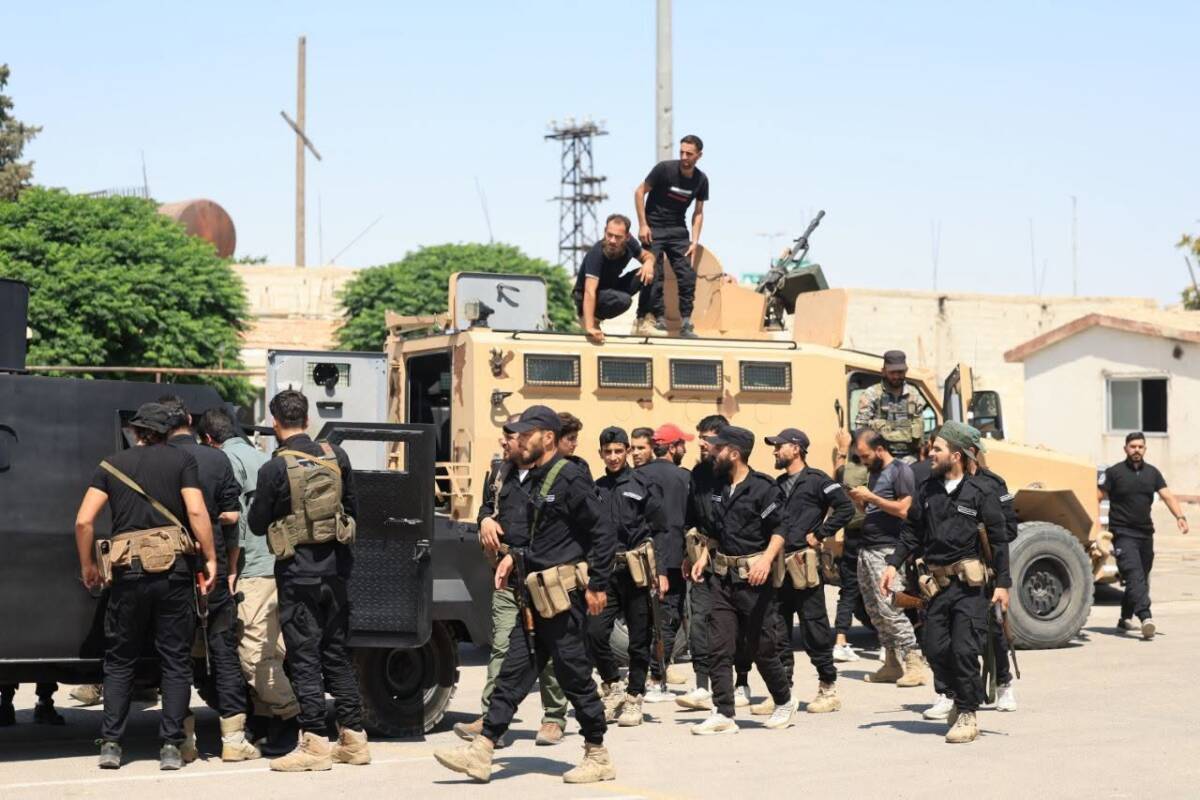
In 2025, Iraqi prisons were operating at twice their capacity, prompting the government to issue a pardon for 35,000 prisoners, including some convicted of terrorist offenses. The transfer of additional detainees from Syria to Iraq has further complicated the situation.
These transfers followed breaches at Syrian detention facilities during the turbulent transition period in northeastern Syria, after the new government in Damascus assumed control. Despite the completion of the transfers, security concerns remain over the possibility of escape operations should conditions in Iraq deteriorate.
Operation “Inherent Resolve” is scheduled to end in September, marking the conclusion of the American military presence in federal Iraq. Since Washington announced the end of its unilateral combat mission in Iraq in 2021, the US military presence has been significantly reduced, with only 2,500 American troops remaining at the beginning of 2025 for “training, assistance, and empowerment,” compared with 5,000 in 2017.
However, Iraq has continued targeting ISIS cells with ongoing US support, arresting several members in Sulaymaniyah and conducting airstrikes against its strongholds in Anbar. The threat posed by the organization extends beyond direct terrorist attacks.
This year, the State Department funded international organizations supporting Iraqi social facilities, including the management of the Amal Facility for reintegration. It also allocated potential assistance to support Baghdad in “detaining” and prosecuting ISIS detainees. The CPEF fund was used to support recent transfers from Syria.
A report by the Principal Inspector General for Operation “Inherent Resolve” noted that financial pressures resulting from oil disruptions amid the war on Iran could prevent the Iraqi government from managing this issue alone. Are there recommendations to address these challenges? As Prime Minister Al-Zaidi heads to Washington, officials from both countries should dedicate sufficient time to developing concrete steps that would enable Iraq to rely more on itself in confronting the new challenges posed by ISIS.
The first priority should be establishing a comprehensive plan to support Iraqi facilities holding ISIS affiliates, including those transferred from Syria. While CPEF funds were used for this purpose in 2026, the imminent end of Operation “Inherent Resolve” requires exploring the possibility of using State Department funding. Sustainable and realistic reintegration programs for released and pardoned detainees are also necessary.
With the amnesty covering thousands of individuals, Washington and Baghdad must address funding mechanisms and support programs within clear timelines. It is crucial to recognize that even a weakened “Islamic State” remains a real threat. This is demonstrated by continued operations against the group with American support. Failure to fund the needs of the Iraqi Counter-Terrorism Service would create a significant security gap that ISIS could quickly exploit.
Washington and Baghdad must continue intelligence-sharing efforts to combat sleeper cells and maintain cooperation in planning counterterrorism operations. Finally, they should leverage the emerging Syrian-Iraqi rapprochement as a means to strengthen joint operations against the organization.
Al-Zaidi and Trump must recognize that the notable improvement in Syria-Washington relations is accompanied by growing cooperation between Syria and Baghdad. This opportunity should be used to facilitate coordinated Iraqi-Syrian operations against “Islamic State.”
Disclaimer: The opinions expressed by the writers are their own and do not necessarily represent the views of Annahar.