

Iraqi fisherman's killing rekindles Iraq-Kuwait maritime dispute amid rising tensions
The deadly coast guard incident has reignited debate over maritime borders, fishing rights, and navigation in the northern Gulf.



 Messenger
 Whatsapp
 Threads
 Email
Email
 Print
Print
 X
X
 Facebook
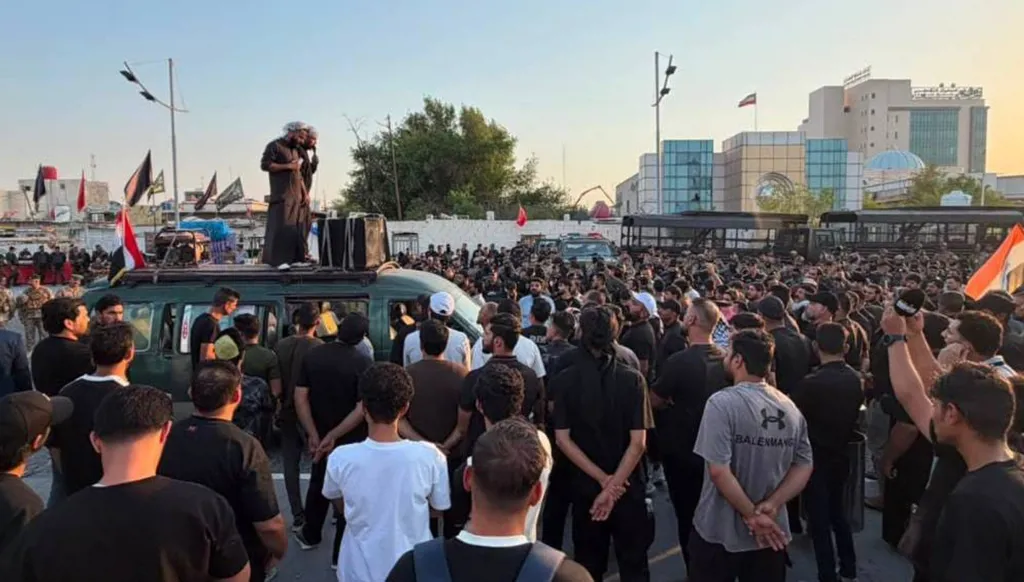


The killing of an Iraqi fisherman by Kuwaiti coast guards has thrust tensions back to the forefront of Iraqi-Kuwaiti relations, triggering a wave of anger across Iraq that has ranged from official condemnation to popular protests. The incident has also raised concerns that the escalation could further complicate one of the most sensitive issues between the two countries: maritime borders and navigation in the northern Gulf.
The incident occurred at a time when Baghdad and Kuwait were seeking to preserve stability in their bilateral relations after years of addressing the legacy of historical disputes. However, the fisherman's death and the protests that followed have revived longstanding debates over maritime boundaries, fishing rights, and mechanisms for regulating navigation.
Protests in Basra Reflect Anger in Iraq
The incident prompted strong reactions from Iraqi officials, politicians, and activists, who called on the government to adopt a firm stance and conduct a comprehensive investigation into the circumstances surrounding the fisherman's death, while ensuring that similar incidents do not happen again.
The anger quickly spilled onto the streets of Basra province, where protesters gathered outside the Kuwaiti consulate. The demonstration escalated into attempts to storm the building and lower the Kuwaiti flag before Iraqi security forces intervened to contain the situation and prevent further escalation.
القوات الأمنية في البصرة تفرض طوقاً أمنياً حول القنصلية الكويتية بالتزامن مع انطلاق تظاهرات احتجاجاً على مقتل الصياد العراقي#قناة_سامراء#سامراء_لمة_اهلنا pic.twitter.com/4Dho573kYZ
— قناة سامراء الفضائية (@samarratv1) July 12, 2026
Several political figures and members of the Iraqi parliament took part in the protests, including MPs representing political forces that include armed factions. They urged the government to pursue diplomatic and legal measures to defend the rights of Iraqi citizens.
At the same time, Iraqi authorities reaffirmed their commitment to protecting diplomatic missions in accordance with international agreements, while continuing to address the issue through official channels.
Recurring Incidents in a Highly Sensitive Area
The latest incident is not unprecedented. In recent years, Iraqi fishermen have repeatedly been detained by Kuwaiti coast guards for allegedly crossing maritime boundaries or entering Kuwaiti territorial waters without authorization.
Most of those cases ended with the fishermen being released following diplomatic intervention between Baghdad and Kuwait. However, the reported use of deadly force in the latest incident has introduced a new dimension to the crisis, reigniting debate over the rules of engagement and the treatment of civilian fishermen operating near maritime boundary lines.
Experts say the complex geography of the northern Gulf, the limited maritime space, and the overlap of traditional fishing grounds have made such incidents recurrent, particularly in the absence of more effective field coordination mechanisms between the two countries.
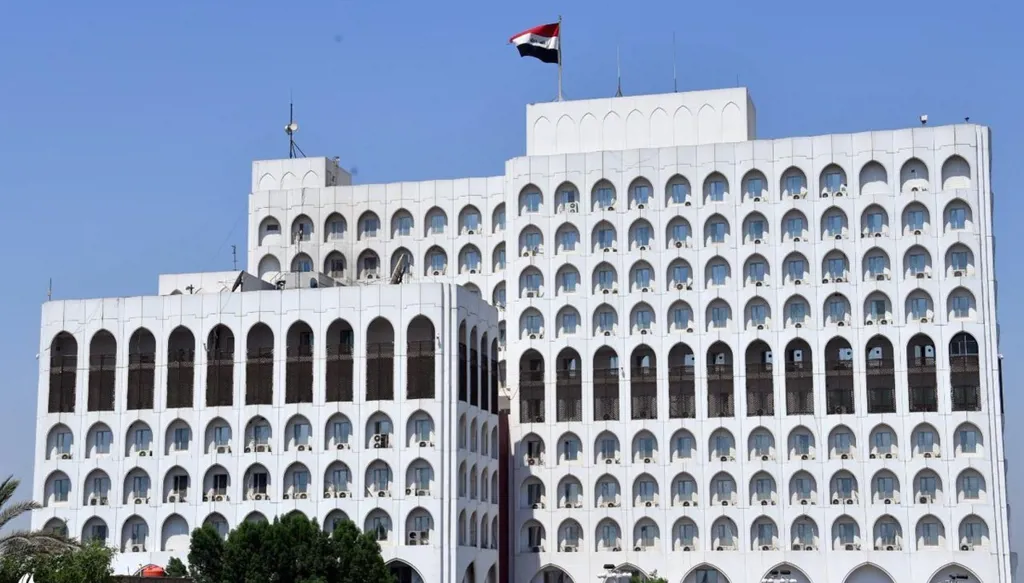
Roots of the Maritime Dispute
The maritime dispute between Iraq and Kuwait stretches back decades and became significantly more complicated after 1990, when the former Iraqi regime under Saddam Hussein invaded Kuwait. The subsequent international decisions redrew both the land and maritime borders between the two countries.
Following the Second Gulf War, the UN Security Council established the UN Iraq-Kuwait Boundary Demarcation Commission, which adopted the international borders under Resolution 833, issued in 1993. Successive Iraqi governments later accepted the resolution despite continued political objections within Iraq to certain aspects of the demarcation.
Khawr Abd Allah remains one of the principal points of contention. The waterway serves as the main shipping channel to Iraq's ports, including Umm Qasr, while also providing Kuwait with a maritime outlet.
In 2012, Baghdad and Kuwait signed an agreement regulating maritime navigation in Khawr Abd Allah, which entered into force in 2013. The agreement was intended to organize ship movements and ensure navigation safety in accordance with international law.
Nevertheless, the agreement has remained highly controversial within Iraq. Critics argue that it grants Kuwait greater privileges in managing the shipping channel, while successive Iraqi governments have maintained that it regulates navigation rather than maritime boundary delimitation.
In 2023, Iraq's Federal Supreme Court ruled that the law ratifying the agreement was unconstitutional because of procedural issues during its parliamentary approval. The ruling generated differing legal and political interpretations without automatically nullifying Iraq's international obligations.
Why Does the Fishermen Crisis Repeat?
Experts in maritime law point to several factors behind the repeated detention of Iraqi fishermen. These include the narrow distance separating Iraqi and Kuwaiti waters, the difficulty traditional fishermen face in identifying maritime boundaries, the widespread use of small boats lacking modern positioning systems, the overlap of historical fishing grounds, and differing interpretations of maritime law enforcement procedures on the ground.
They also note that fishermen frequently move in search of richer fishing areas, increasing the likelihood of unintentionally crossing into the other country's waters.
International Law and the Use of Force
International law, particularly the United Nations Convention on the Law of the Sea, recognizes states' rights to protect their territorial waters while emphasizing that any use of force must remain proportionate, especially when unarmed civilians are involved.
Legal experts argue that deadly force against fishermen should be considered only as a last resort, after warning measures, pursuit, and arrest have been exhausted. Any such incident, they say, should be subject to an independent investigation to determine whether international procedures and standards were followed.
Opportunities to Contain the Crisis
Despite the intensity of the current crisis, analysts believe it does not necessarily signal a return to strained Iraqi-Kuwaiti relations. Both countries continue to maintain active political, security, and diplomatic communication channels, while both governments have publicly expressed their commitment to preserving stable bilateral ties.
Containing the crisis, they argue, requires separating the legal process related to the criminal incident from the broader political relationship between the two countries. It also calls for stronger coordination between coast guards, improved warning and direct communication mechanisms, and equipping fishermen with modern navigation devices to reduce the risk of inadvertently crossing maritime boundaries.
The incident underscores that the maritime boundary issue remains one of the most sensitive files between Baghdad and Kuwait, more than three decades after the end of the Gulf War.
Although both governments continue to stress their commitment to dialogue and diplomacy, the continued detention of fishermen or the use of force risks keeping the issue a recurring source of tension unless more effective mechanisms are implemented to balance the protection of national sovereignty with respect for civilian rights and navigation safety.
Given the complex regional environment, there is an urgent need to reassess maritime cooperation mechanisms between the two countries to prevent similar incidents from recurring and to preserve the stability of Iraqi-Kuwaiti relations within the framework of international law and good-neighborly relations.