

Three wars, three ceasefires: How Hezbollah emerged more constrained after every conflict
The war "in support of Iran" after Khamenei's assassination later marked a deeper transformation: discussion shifted from implementing Resolution 1701 to reshaping the security environment in southern Lebanon.




 Messenger
 Whatsapp
 Threads
 Email
Email
 Print
Print
 X
X
 Facebook
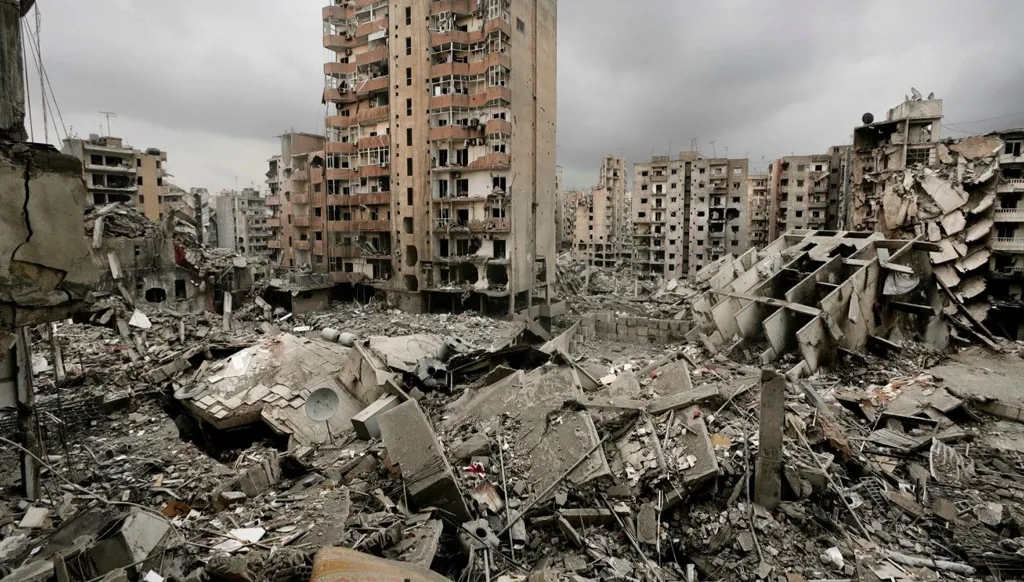


There is one reality that can no longer be ignored, no matter how lofty the slogans or how the names of the battles change. For nearly 20 years, Hezbollah has entered wars under the banner of "victory," only to emerge from them with ceasefire agreements that leave it under greater restrictions than before the conflict, while Lebanon emerges poorer, more devastated, less sovereign, and more dependent on external powers.
Three separate wars tell the same recurring story: one of strategic miscalculation whose ending is always more humiliating than its beginning.
July 2006: A "Divine Victory" That Ended with Resolution 1701
On July 12, 2006, Hezbollah decided, without consulting the Lebanese state, to capture two Israeli soldiers along the border. Within hours, Lebanon found itself in a full-scale war that lasted 33 days and became one of the most devastating conflicts the country had experienced since the end of the civil war. Hezbollah later declared what it called a "divine victory." But if it was truly a victory, why did it end with the acceptance of UN Security Council Resolution 1701, which imposed a new security reality in southern Lebanon?
.jpg)
The resolution called for a cessation of hostilities, the reinforcement of the Lebanese Army's deployment south of the Litani River, an expansion of the United Nations peacekeeping force, the prohibition of any weapons outside state authority in that area, and reaffirmed the need to disarm all Lebanese militias. In other words, the war concluded by cementing the very international demands that Hezbollah had previously rejected.
The cost was catastrophic. More than 1,100 Lebanese, most of them civilians, were killed, thousands more were injured, and nearly one million people were displaced within Lebanon in a matter of weeks. Thousands of homes, bridges, roads, power stations, and port facilities were destroyed. The Lebanese economy suffered losses worth billions of dollars, while southern Lebanon required years to recover even part of its normal life.
Years later, Hezbollah's late Secretary-General Hassan Nasrallah acknowledged that had he known the capture operation would lead to such a war, he would never have carried it out. More than any speech, that statement amounted to an implicit admission that the strategic calculations had been wrong.
"Support for Gaza": Southern Lebanon Pays While Gaza Remains Unchanged
Following the October 7, 2023 "Al-Aqsa Flood" attack, Hezbollah opened the Lebanese front the following day under the slogan of "supporting Gaza." But after more than a year of fighting, Gaza had not been liberated, Israel had not halted its military campaign, and Lebanon had not emerged victorious. Instead, southern Lebanese villages became disaster zones.
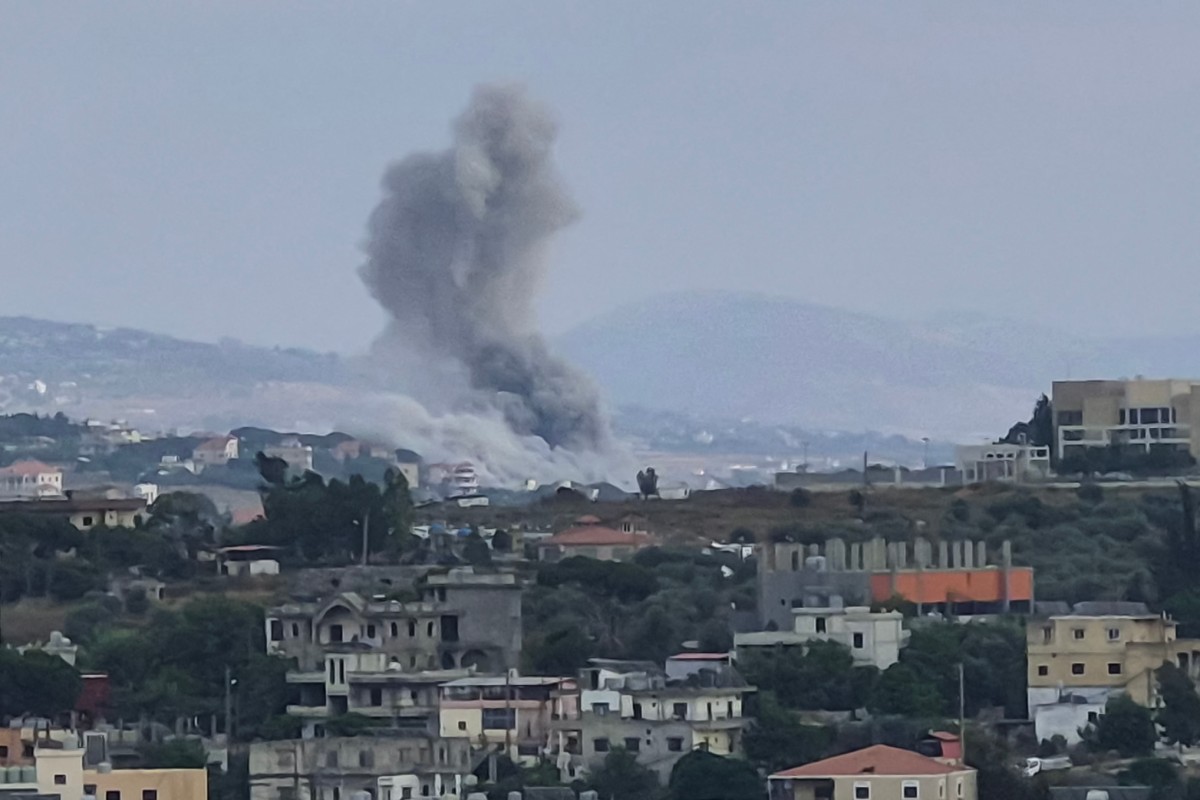
Thousands of fighters and civilians were killed, hundreds of thousands of Lebanese were displaced, entire villages were destroyed, the south lost a full agricultural and tourism season, and its infrastructure and local economy suffered severe damage. Thousands of businesses were forced to suspend operations, adding further pressure to Lebanon's already fragile economy. When the cessation of hostilities agreement was eventually reached, it was not on the terms Hezbollah had repeatedly declared in its speeches.
Instead, it accepted arrangements that once again reaffirmed the exclusivity of state-controlled weapons south of the Litani River and strengthened the deployment of the Lebanese Army, while Israel maintained a military presence at five strategic positions inside Lebanese territory—a precedent that did not exist before the war. In practical military terms, Lebanon's position after the war was weaker than it had been before the front was opened.
"Support for Iran": A War That Was Never Ours
The third round came at dawn on March 2, 2026. Following the assassination of Iranian Supreme Leader Ali Khamenei by the United States and Israel, Hezbollah launched six rockets toward Israel. Lebanon itself had not been attacked, its territory had not recently been occupied, and there had been no direct assault on the Lebanese state. The conflict was tied to Iran's response to regional developments, yet once again Lebanon became the arena for settling external scores.
The Israeli response was more severe than ever before. Large areas of southern Lebanon, the Bekaa Valley, and Beirut's southern suburbs were subjected to heavy strikes. Casualties mounted, mass displacement resumed, destruction spread further, and Hezbollah's military capabilities declined to an unprecedented degree as Israeli strikes targeted its leadership, command centers, and military infrastructure.
When the ceasefire entered into force, the situation did not end there. Israel continued carrying out strikes inside Lebanese territory under the pretext of eliminating threats and retained broad freedom of military action.
Many border villages remained destroyed or nearly deserted, while large sections of the frontier became areas whose residents could not safely return to. Hezbollah buried its dead, while southern Lebanese waited once again for reconstruction, new funding, and new debt.
| Category | July 2006 War | "Supporting Gaza" War (2024–2025) | "Supporting Iran" War (2026) |
|---|---|---|---|
| Legal Framework | UN Security Council Resolution 1701. | U.S.-French understanding to implement a stricter version of Resolution 1701. | U.S.-led security framework that goes beyond a ceasefire by linking it to buffer zones and the practical disarmament of Hezbollah. |
| Ceasefire | Cessation of hostilities: Hezbollah halts attacks, Israel ceases offensive operations. | Hezbollah prohibited from attacking Israel, while Israel halts offensive operations against Lebanon. | Conditional ceasefire requiring a complete halt to Hezbollah fire and the removal of its personnel from southern Lebanon. |
| Hezbollah's Weapons | Opens the door to disarming all armed groups, though implementation remained vague and weak. | Much clearer: no weapons south of the Litani except those of the Lebanese Army, with controls over weapons production and imports. | Even stricter: Hezbollah's disarmament becomes a practical condition for Israel's withdrawal from the security zone, according to the U.S. framework. |
| Lebanese Army Deployment | Army deploys south of the Litani alongside UNIFIL. | Lebanese Army becomes the only legitimate force south of the Litani, with an international monitoring mechanism. | Army assumes control of "pilot zones" following partial Israeli withdrawal and dismantles Hezbollah infrastructure there. |
| UNIFIL's Role | Central role supporting the Lebanese Army and monitoring the cessation of hostilities. | Remains in place, supplemented by a U.S.-led monitoring mechanism with French participation. | Its role declines in favor of direct or trilateral security arrangements under U.S. sponsorship. |
| Israeli Withdrawal | Withdrawal from southern Lebanon alongside Lebanese Army and UNIFIL deployment. | Withdrawal remained incomplete; Israel later retained five positions inside Lebanon. | No full withdrawal. Israel maintains a 10-kilometer buffer zone, stating that withdrawal depends on eliminating the Hezbollah threat. |
| Right of Self-Defense | Implicit within the resolution but less explicitly defined. | Explicitly recognized: the agreement does not prevent either party from exercising the "right of self-defense," opening the way for subsequent Israeli strikes. | Effectively grants Israel broader military freedom within the security zone on the grounds of preventing Hezbollah's return. |
| Political Outcome for Hezbollah | Declared a "divine victory" but became constrained by Resolution 1701. | Emerged from a war of attrition into an agreement reinforcing exclusive state control of weapons in the south while granting Israel strategic positions. | Emerged from "supporting Iran" with an even harsher equation: Israel's withdrawal became conditional on Hezbollah's disarmament, while southern Lebanon turned into a buffer zone. |
| Most Significant Development | Weak implementation allowed Hezbollah to rebuild its capabilities later. | Agreement stronger than Resolution 1701 but hindered by state weakness and Israel's insistence on retaining the right to strike. | Agreement shifts Lebanon from a ceasefire to an imposed security architecture featuring demilitarized areas, conditional return of residents, and incomplete Lebanese sovereignty. |
Increasingly Restrictive Agreements
If the trajectory of the three wars can be summarized in one word, it is "escalation"—not in achievements, but in the severity of the restrictions imposed by each successive ceasefire, each of which further constrained Hezbollah's military freedom of action.
Following the 2006 war, Resolution 1701 established a clear international framework governing security in southern Lebanon. It called for a cessation of hostilities, deployment of the Lebanese Army south of the Litani River alongside UNIFIL, prohibited weapons outside state authority in that area, and reaffirmed the need to disarm all armed groups in accordance with previous international resolutions.
Although Hezbollah proclaimed a "divine victory," the practical result was its acceptance—through the Lebanese state—of security arrangements it had previously rejected. Weak implementation later enabled Hezbollah to rebuild much of its military capability.
The "Support for Gaza" war significantly altered the equation. The November 2024 cessation of hostilities agreement became a much stricter implementation mechanism for Resolution 1701. No longer was merely ending the fighting sufficient. The Lebanese state became responsible for preventing any Hezbollah military activity south of the Litani, ensuring that only state forces possessed weapons there, while an international monitoring mechanism led by the United States with French participation was established.
Most notably, Israel did not fully return to the pre-war lines but instead maintained troops at five strategic points inside Lebanon, arguing that complete withdrawal depended on the elimination of security threats. As a result, the war ended by granting Israel a military foothold inside Lebanon that it had not possessed before the conflict.
Hezbollah's entry into the war in support of Iran following the assassination of Supreme Leader Ali Khamenei marked an even deeper transformation. Discussion shifted from implementing or strengthening Resolution 1701 to redesigning the security environment in southern Lebanon.
The framework whose outlines emerged after the ceasefire no longer merely called for Hezbollah fighters to remain away from the border. Instead, it directly linked any complete Israeli withdrawal to the dismantling of Hezbollah's military infrastructure and the elimination of its armed presence in the border area, while allowing Israel to retain freedom of military action whenever it judged that a new threat had emerged.
Thus, in 2006, the agreement effectively told Hezbollah: "Leave south of the Litani." In 2024–2025, it told the Lebanese state: "Prevent Hezbollah's armed activity in the south." By 2026, the message had become: "Israel will not withdraw as long as Hezbollah remains armed." In other words, every war ended with harsher conditions for both Hezbollah and Lebanon.
Equally significant was the evolution of Israel's position within these agreements. In 2006, Israel was expected to withdraw in parallel with the deployment of the Lebanese Army. By 2024, it retained a limited military presence at five strategic locations. After the 2026 war, it was speaking of a buffer security zone, with withdrawal conditioned upon security requirements that it alone would define, while continuing military strikes even after the ceasefire had taken effect.
A Repeating Equation
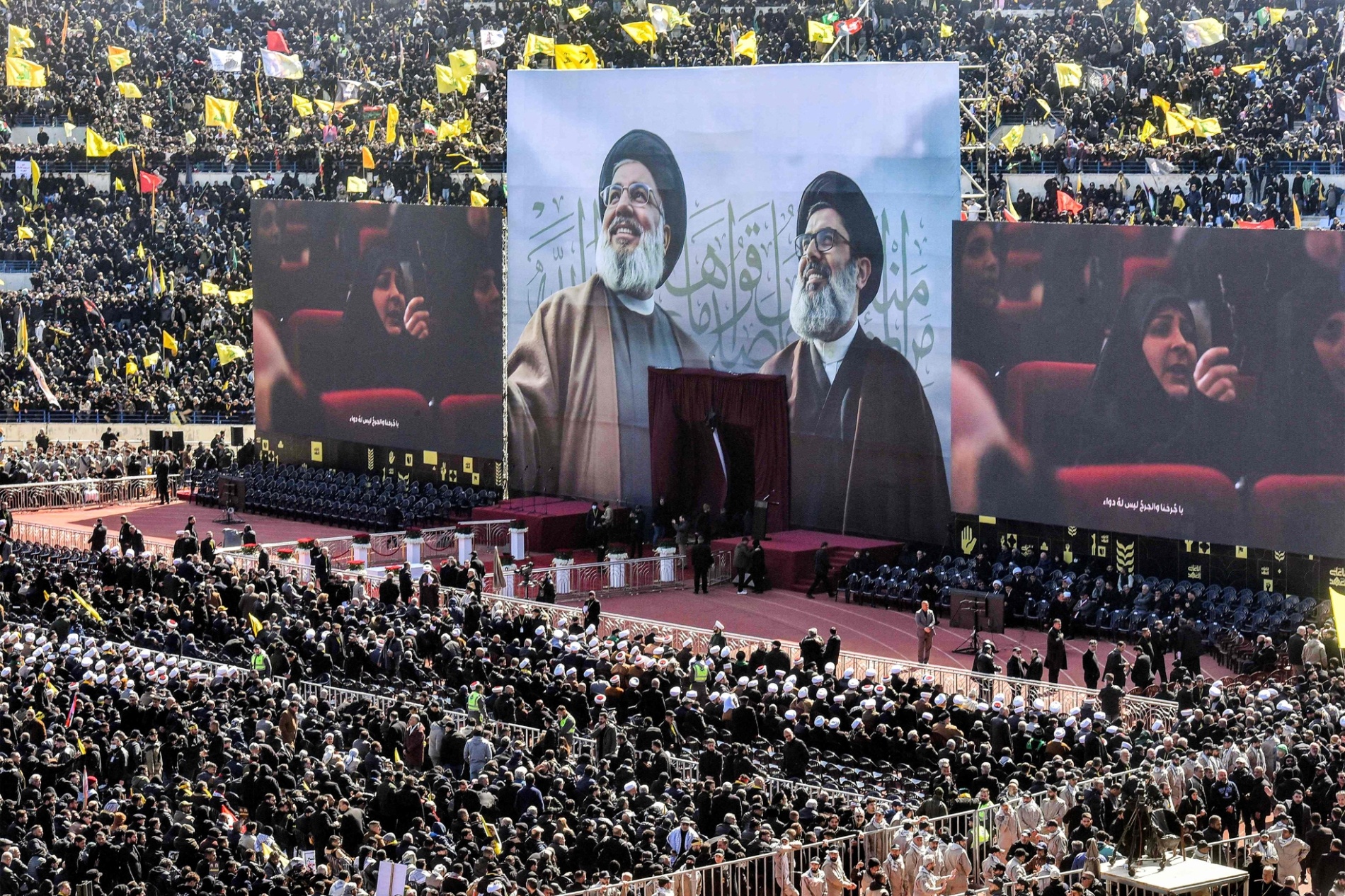
The three experiences demonstrated that the fundamental problem lies in the very equation that allows an armed organization to monopolize decisions of war and peace outside the institutions of the state. No country can build an economy, attract investment, or protect its borders while a single actor is capable, within hours, of dragging millions of citizens into a war over which they have neither a voice nor any means of prevention.
People may disagree over politics, over interpretations of the Arab-Israeli conflict, or over attitudes toward Iran or the United States. But there should be no disagreement over the principle that the decision to wage war cannot remain in the hands of an armed organization beholden to a foreign state, regardless of its slogans or history. The state's exclusive authority over that decision is not a partisan political demand; it is the primary condition for the existence of any viable state.
After three wars, three ceasefire agreements, thousands of deaths, hundreds of thousands of displaced people, and devastated towns and villages, how many more wars are needed before everyone accepts that turning Lebanon into a platform for settling regional conflicts has brought nothing but destruction—to Hezbollah and its own constituency before anyone else?
Perhaps the greatest lesson imposed by these three wars is that any weapon remaining outside state authority, and any decision on war remaining outside constitutional institutions, inherently carries the possibility of yet another war.
If the Lebanese are to break a cycle that has repeated itself for decades, there is no alternative to restoring the state's exclusive authority over decisions of war and peace, together with the state's monopoly over arms through a national mechanism consistent with the Constitution and international resolutions.
The continuation of military duality no longer produces deterrence; it merely produces successive cycles of destruction whose cost is borne by the Lebanese people alone.
Disclaimer: The opinions expressed by the writers are their own and do not necessarily represent the views of Annahar.