The battle over seeds: Who will control Lebanon’s food future?
As Lebanon seeks to regulate the seed sector after years of agricultural decline and war, farmers, environmental groups, and officials clash over a draft law they say could shape the future of food sovereignty, local varieties, and farmers’ rights.




 Messenger
 Whatsapp
 Threads
 Email
Email
 Print
Print
 X
X
 Facebook


In a country that has lost thousands of acres of farmland because of the war, today's debate is not only about reclaiming fields but also about the seeds that will be planted there in the future.
When farmer Zeinab Mahdi (51 years old) was forced to flee from her border town of Naqoura to Tyre, she was unable to take with her the bags and containers she used to store seeds of sweet and hot peppers, jute mallow (mloukheyeh), cucumbers, eggplants, lettuce, beans, peas, chickpeas, radishes, parsley, cilantro: seeds she had been planting for years. She was focused on surviving, unaware that Israel would destroy her agricultural crops and her seeds completely, leaving nothing behind.
When the first ceasefire was announced in the 2026 war, the first thing Zeinab looked for in her agricultural storage room was the seeds she had hidden. She says: “I found nothing. Those moments were the hardest thing a person who is used to living off the land and farming could ever experience.”
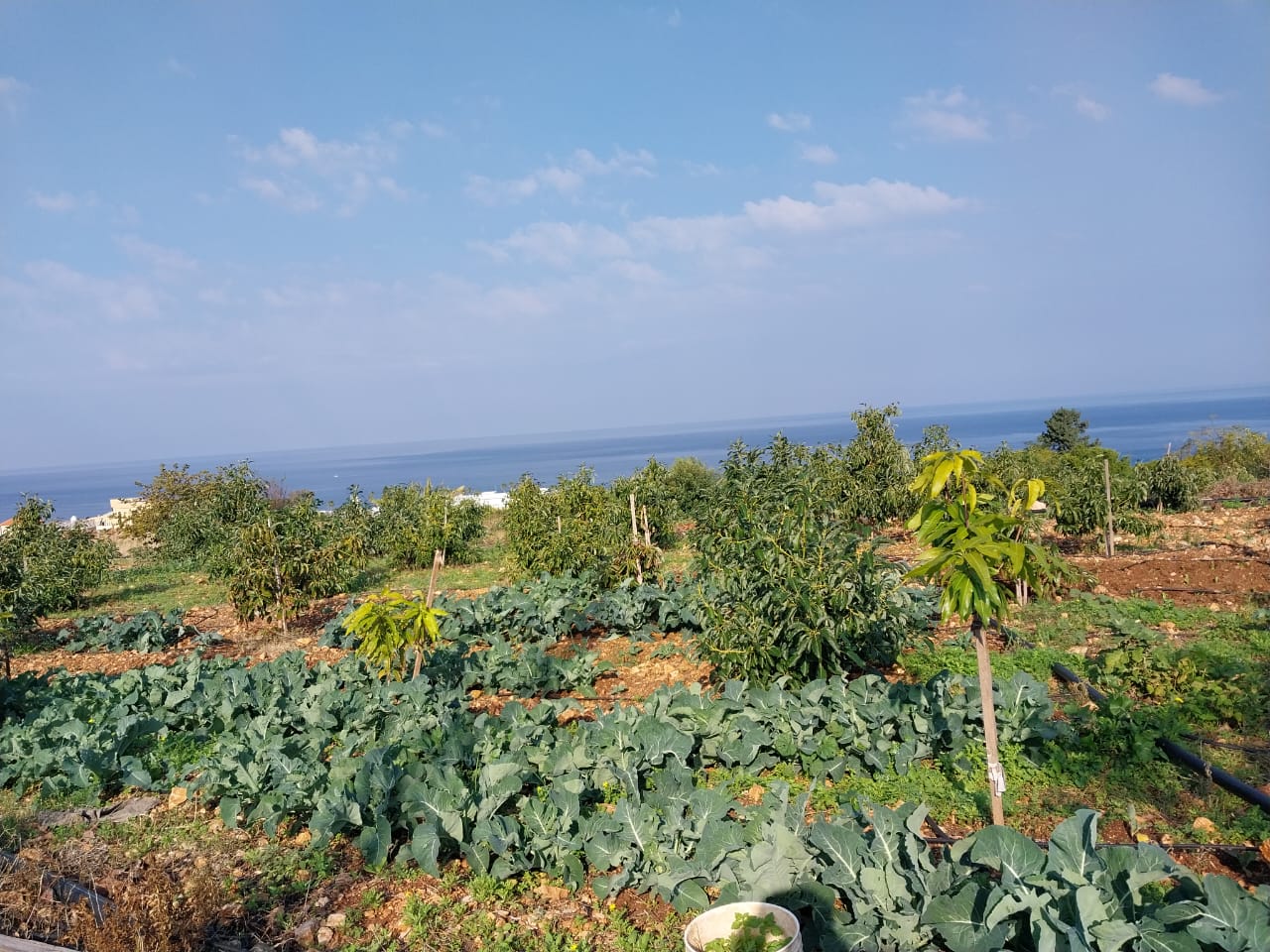
Zeinab comes from a family that has farmed the land for generations. Her father used to lease farmland to cultivate lemons, citrus fruits, and bananas, while the family continued reclaiming and developing its own land until it owned a farm spanning about ten dunams, growing a variety of seasonal vegetables alongside avocado, olive, and citrus trees. After the war, however, the land was left barren after Israel bulldozed it, depriving the family of both its livelihood and its agricultural heritage.
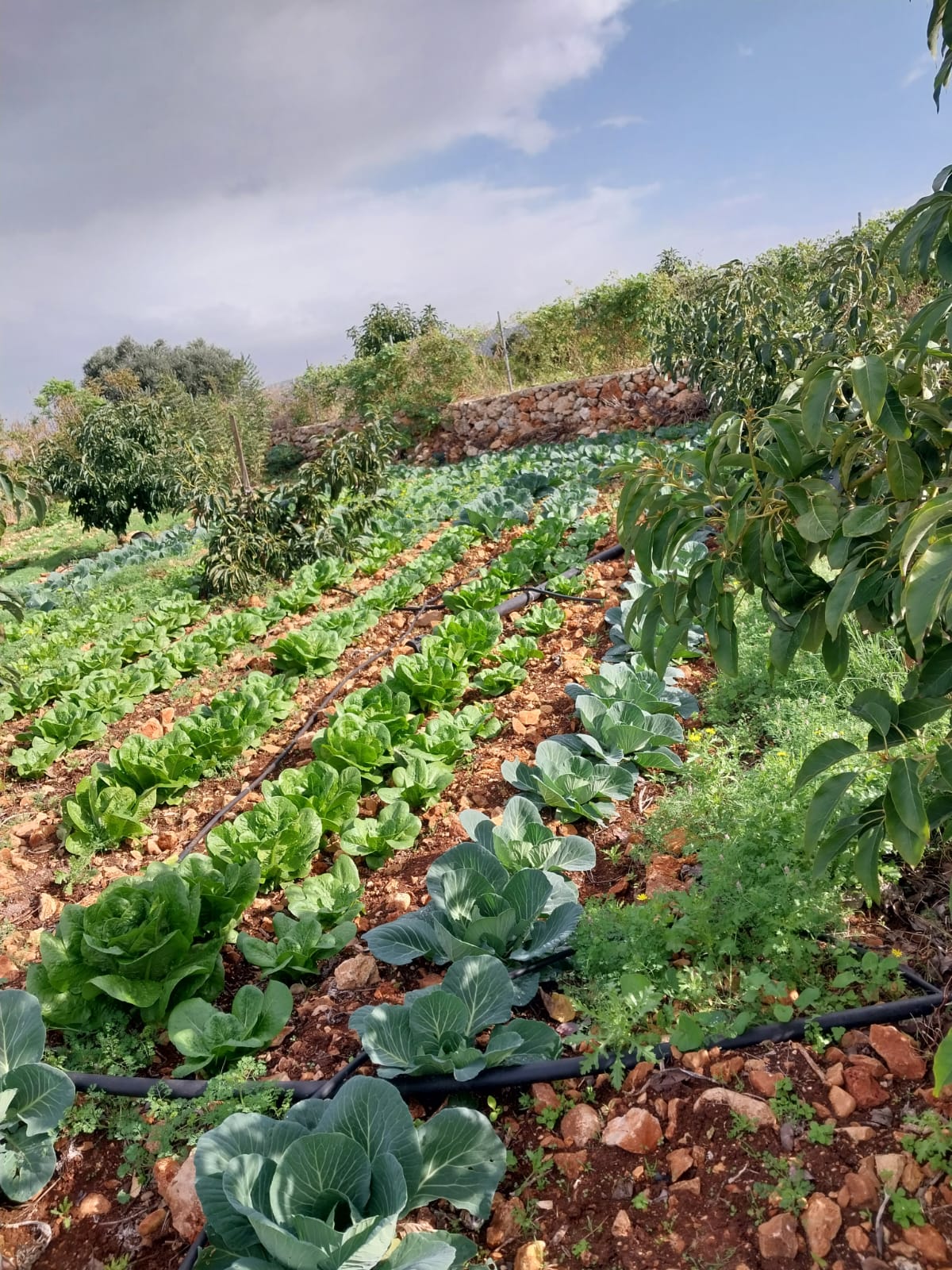
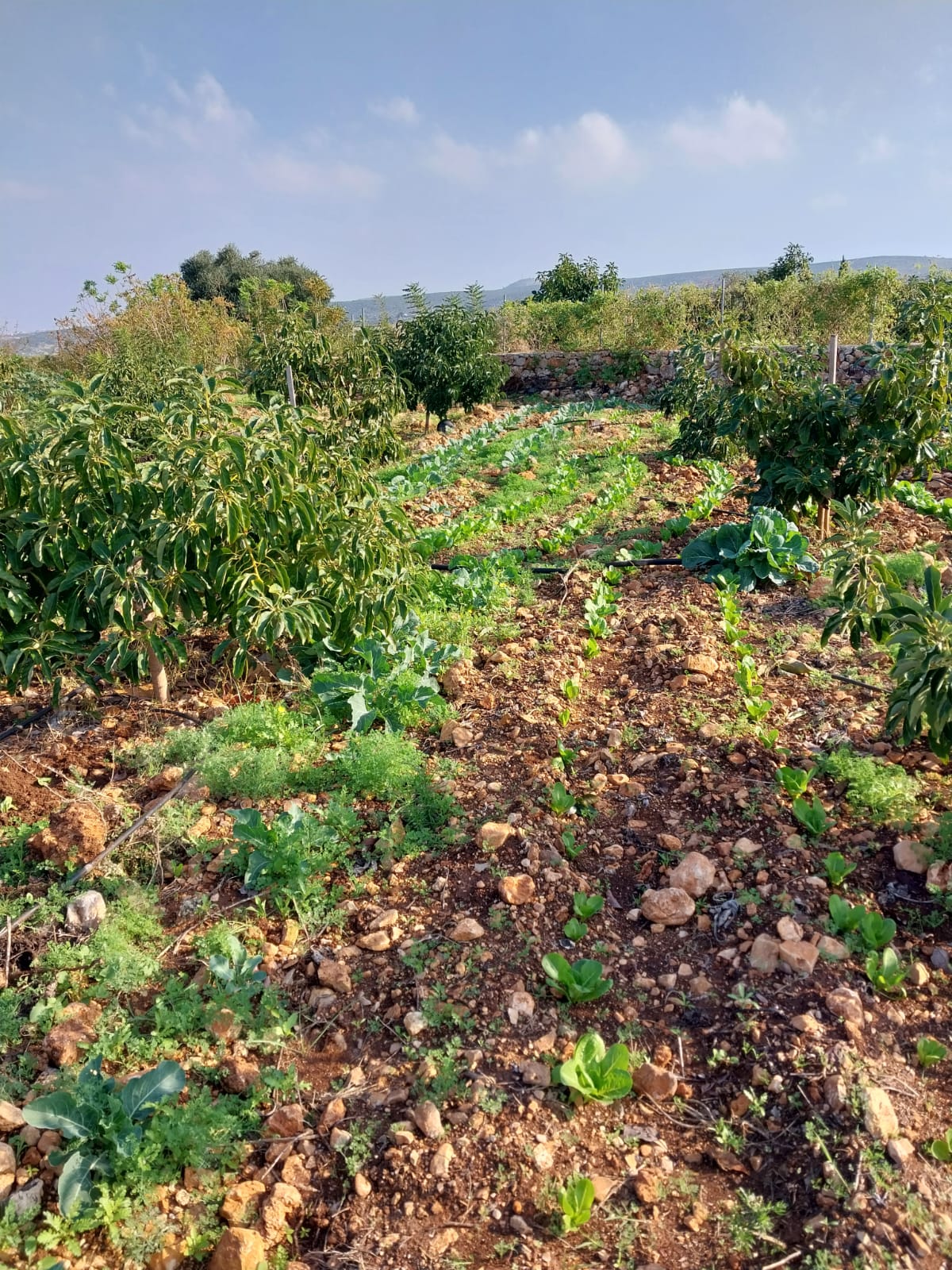
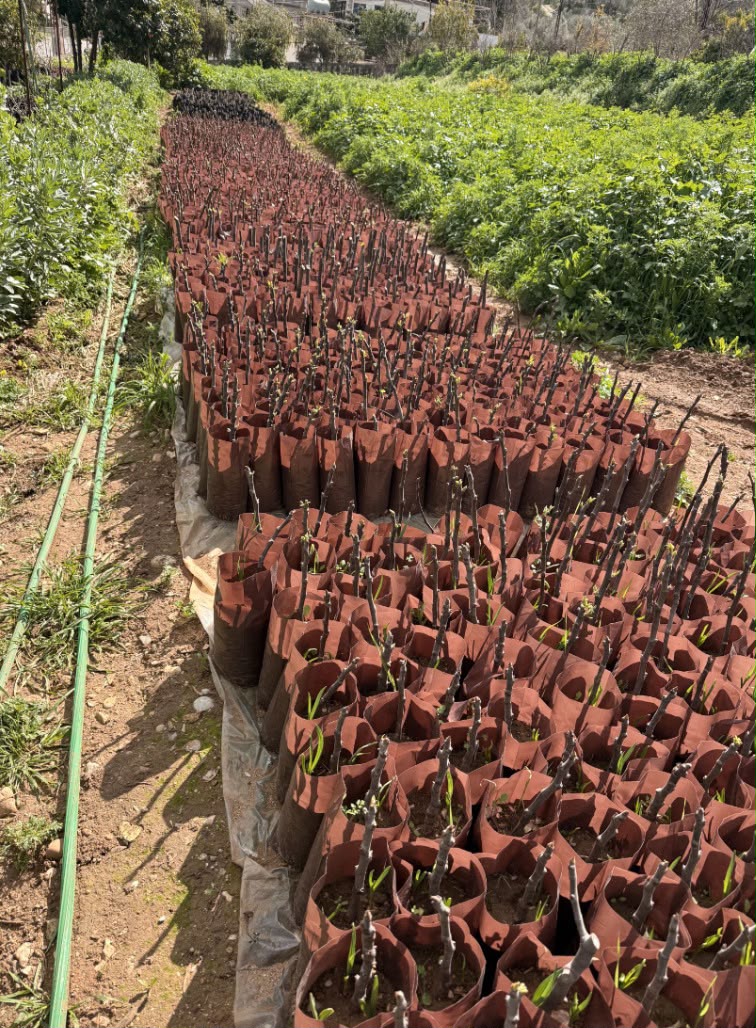
After being displaced, Zeinab found an opportunity to continue what she considers more of a calling than a profession through the Tyre Seeds project, launched by the Union of Tyre Municipalities in cooperation with local associations to support displaced women. She now oversees the project, which has trained more than 400 displaced women and focuses on organic farming and preserving heirloom seeds. All seedlings are produced from locally sourced seeds that have been propagated since 2024.
She adds: “I devote most of my time to this land, which has become a substitute for my land in Naqoura. I feel as though I am recovering part of what I lost through it. This land in Tyre has become a part of me, and I will not leave it even after the war ends.”
Therefore, Zeinab is closely following with concern the ongoing debate over the draft law regulating the trade of seeds, seedlings, and propagation materials, amid warnings from environmental and agricultural organizations and their concerns about its potential impact on local varieties and farmers’ rights. This comes in contrast to the Ministry of Agriculture’s assertion that the draft law aims to develop and regulate the sector.
Minister of Agriculture Nizar Hani told Annahar that the version of the draft law currently being circulated is not final, and that the bill will not be submitted in its final form until an agreement is reached with all relevant parties, in an attempt to address growing concerns over the future of seeds and agriculture in Lebanon.
This is where the story of a conflict begins, one that goes beyond regulating the seed market and reaches deeper questions related to food sovereignty and the future of Lebanese agriculture.
Fears of "food slavery"
The head of the Agricultural Movement in Lebanon, Sara Salloum, places the draft law within a broader food security crisis, noting that Lebanon imports more than 80% of its food, while agricultural areas are shrinking due to the absence of planning and policies that support local production.
She believes that the ongoing debate over seeds reflects a long process of marginalizing the agricultural sector since the end of the civil war, which has increased its vulnerability and dependence on external sources.
The recent war exposed the extent of this vulnerability, at a time when international legislation and agreements related to seeds and agricultural property rights are gaining prominence, including the International Convention for the Protection of New Varieties of Plants (UPOV).
With the agricultural sector in a fragile state and the absence of effective oversight, introducing new policies and legislation becomes easier, even if they appear on the surface to be regulatory and reform-oriented. However, opponents argue that the essence of these laws serves major corporations and global economic models more than it supports local farmers.
These policies are not isolated but are part of a broader system promoted to countries as a ready-made economic pathway. Several countries have signed up to it, including Egypt, Tunisia, and Morocco, as well as India and France, with experiences in some of these countries showing negative results or limited effectiveness.
According to opponents, these trends raise questions about their potential impact on food sovereignty and farmers’ rights to preserve and exchange seeds.
Critics of the project point out that some companies holding seed patents, including genetically modified varieties, impose restrictions on reusing seeds from one season to the next. This forces farmers to purchase seeds repeatedly and increases their dependence on commercial markets.
These concerns are also based on the growing concentration of the global seed market, where major companies such as BASF, Bayer/Monsanto, Syngenta, and Corteva Agriscience control a significant share of the seed and agricultural input trade.
In this context, activist Pat Mooney from the ETC Group, which focuses on environmental justice, discusses a phenomenon known as “biopiracy.” He refers to accusations that some companies benefit from genetic resources and agricultural knowledge accumulated by farmers, particularly in countries of the Global South, and transform them into commercial products protected by intellectual property rights.
For opponents, the core issue is not limited to regulating seed trade. Rather, it is linked to preserving agricultural biodiversity and ensuring farmers’ right to access and exchange seeds without economic dependency.
Salloum directly connects these concerns to the draft law, which she says was prepared in cooperation with external parties without sufficient involvement of farmers. In her view, this makes the legislation disconnected from the needs of those working in the agricultural sector.
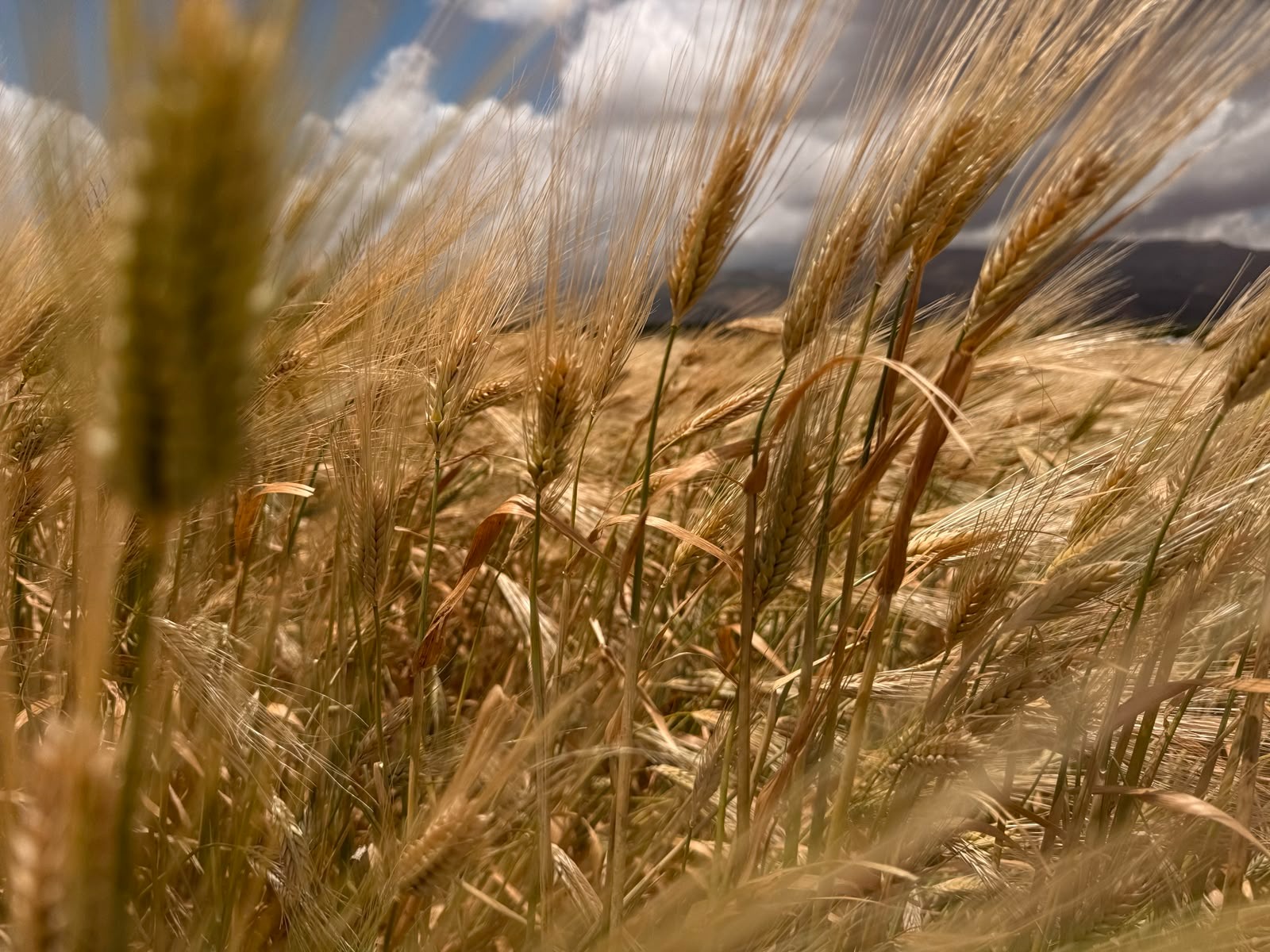
She believes that the project paves the way for transforming seeds from a shared agricultural resource passed down through generations into a commodity governed by market forces and ownership rights. Instead of remaining part of a collective heritage, seeds would become a commodity subject to monopolization, potentially trapping farmers in a cycle of permanent dependency, which she describes as “seed slavery.”
At its core, the project introduces a legal framework that places commercial considerations at the forefront, at the expense of fundamental concepts such as food sovereignty and biodiversity. This raises concerns that the agricultural sector could be reshaped to serve the interests of major corporations rather than supporting local production and its sustainability.
From Kenya to India: Battles fought by farmers
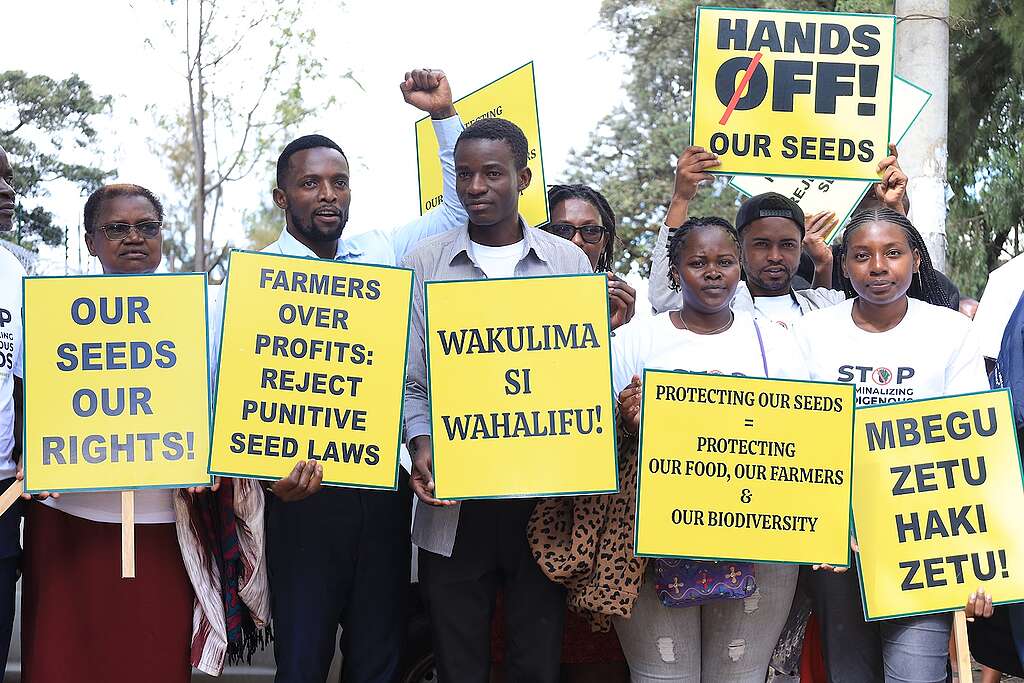
Opponents cite similar international experiences. In Kenya, the Supreme Court in 2025 overturned key provisions of the Seeds and Plant Varieties Act after they were deemed to restrict farmers’ rights to preserve and exchange traditional seeds.
The law, amended in 2013, included provisions similar to the requirements of the 1991 UPOV Convention, which has around 80 member countries. This sparked objections from civil society organizations, which considered the law a threat to traditional seed systems and a measure that would increase reliance on commercially approved seeds.
They also point to India’s experience, despite the country not being a member of the UPOV Convention. Between 2020 and 2021, India witnessed widespread protests against agricultural laws that farmers considered biased in favor of large corporations.
After a year of sit-ins and public pressure, the Indian government backed down and repealed the laws, in a move that was seen as a victory for agricultural movements advocating for farmers’ rights.
In a deeper analysis of this issue, American researcher William Engdahl argues in his book titled " Seeds of Destruction: The Hidden Agenda of Genetic Manipulation " that the spread of these seeds is linked to strategies led by major agricultural companies seeking to expand their influence over global food markets, particularly in developing countries that are more vulnerable in terms of food security.
Some critics point out that the transfer of pollen between fields may create complex agricultural and legal issues, particularly when it comes to genetically modified crops.
In this context, they cite the experiences of major agricultural companies, including Monsanto. Opponents note that the nature of some commercial seeds may allow them to spread through wind or natural factors over distances that can reach hundreds of meters, potentially leading to their mixing with traditional crops in neighboring fields.
According to these critics, such cross contamination could expose farmers who continue using traditional seeds to issues related to the genetic contamination of their crops. This could affect their ability to reuse seeds in subsequent growing seasons, in addition to raising concerns about violations of patent conditions for commercially protected seeds if protected genetic components are found in their fields.
Monsanto is considered one of the leading players in the genetically modified seed and agricultural pesticide sectors. Market data indicates that the areas planted with genetically modified crops have expanded significantly over recent decades, while the commercial seed and pesticide industries have become concentrated in the hands of a limited number of multinational companies due to successive mergers and acquisitions that have strengthened this consolidation.
Before its acquisition by Bayer in 2018, Monsanto generated billions of dollars in annual revenue from the sale of genetically modified corn and soybean seeds, as well as its glyphosate based herbicide Roundup, which was one of its most prominent global commercial products.
At the same time, the company faced a number of lawsuits over several years in the United States and other countries, particularly regarding the use of Roundup and the scientific and legal debate over its potential health effects.
In some of these cases, courts awarded substantial damages against the company, including a ruling issued by a California jury on 13 May 2019 ordering Monsanto to pay up to two billion dollars in damages to a group of plaintiffs, based on findings that the herbicide produced by the company, now owned by Bayer, contributed to their cancer diagnoses.
This was the third major compensation ruling issued against the company over its Roundup product. The two previous rulings had required it to pay approximately 80 million dollars in total.
Agriculture Minister: Enacting a modern seed law is a strategic necessity
The draft law regulating the trade of seeds, seedlings, and propagation materials aims to organize Lebanon’s seed sector by controlling the quality of agricultural inputs, monitoring production and marketing, and protecting the rights of producers and investors. However, some of its provisions have sparked widespread objections, particularly those related to seed registration and the penalties imposed for producing, propagating, or importing unregistered seeds.
According to Chapter Eight of the draft law, penalties could include fines ranging from 600 million Lebanese pounds to 3.5 billion Lebanese pounds, in addition to prison sentences ranging from one to three years. This has prompted critics to warn about its potential impact on farmers who rely on local and traditional seeds.
In contrast, Minister Hani told Annahar that the draft law is not new, but rather the result of years of work aimed at modernizing agricultural legislation and regulating the seed sector. He explains that its goal is to “ensure seed quality, combat fraud, protect the rights of farmers and producers, and encourage investment and local production in a way that strengthens food security and food sovereignty.”
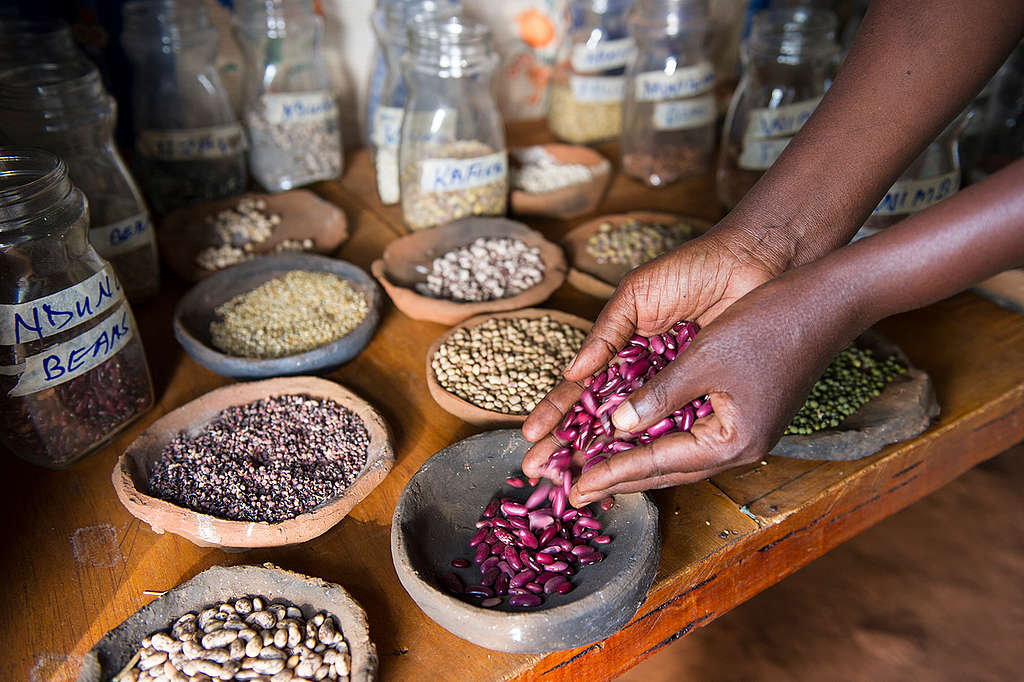
He notes that Lebanon currently imports between 85% and 95% of its seed needs, at an annual cost ranging between 40 and 45 million dollars, making the sector vulnerable to market fluctuations and crises. Therefore, he believes that adopting a modern seed law is a strategic necessity to encourage local production, protect genetic resources, and ensure the availability of seeds during times of crisis.
Regarding concerns related to traditional seeds, he stresses that the project does not seek to eliminate or replace them. Instead, it includes the creation of a dedicated registry for local and traditional varieties to protect and document them. He also confirms that the ministry continues to engage in dialogue with associations and relevant stakeholders to discuss their comments and introduce the necessary amendments to the draft law.
Environmental and agricultural concerns
Despite the reassurances of the Minister of Agriculture, the draft law continues to spark widespread debate among environmental and agricultural organizations and farmers who fear that it could strengthen the influence of major corporations in the seed market at the expense of local varieties and farmers’ rights to preserve and exchange seeds.
Sara Salloum links these concerns to a broader context related to food security and control over agricultural resources. She points to previous warnings issued by Michael Fakhri, the United Nations Special Rapporteur on the right to food, regarding the repercussions of economic and food policies on humanitarian crises. She argues that food is no longer merely a matter of production and consumption, but has become part of power dynamics and conflicts.
From this perspective, she believes that seed related legislation cannot be separated from the struggle for food sovereignty. She says the concern lies in the fact that some laws may be presented as regulatory reforms while, in practice, they lead to greater control over agricultural resources and deepen farmers’ dependence on markets and commercial companies.
She says: “We are not talking about a seed law alone, but about the choices that will determine in the future who owns food and who controls its production.”
During a press conference held in West Jerusalem, on the sidelines of his meeting with a delegation from the US Congress, Israeli Prime Minister Benjamin Netanyahu stated: “If you carry a mobile phone, you carry a piece of Israel in your hand,” adding: “Even the tomatoes you consume come from Israel.”
Few people focused on this statement, but it is seen as evidence by some that Israel has global influence over multinational companies in technology and agriculture as well.
Salloum stresses: “If we do not defend these natural resources and engage in struggles to prevent the passage of these laws, as has happened in some countries, our land and resources will fall into the hands of multinational corporations owned by influential figures around the world, including Israel.”
In this context, she points out that the preparation of the draft law was carried out in cooperation with international organizations and experts, including the International Centre for Advanced Mediterranean Agronomic Studies (CIHEAM Bari). This raises questions among some opponents about the extent to which the draft takes into account the specific nature of Lebanon’s agricultural reality and the needs of local farmers.
These concerns overlap with observations raised by human rights and environmental bodies, including the National Human Rights Commission, which includes the Committee for the Prevention of Torture. The commission considered that the draft law, in its current form, approaches seeds primarily from a technical and commercial perspective, without giving sufficient attention to aspects related to the right to food, farmers’ rights, food sovereignty, and the protection of agricultural biodiversity.
Lebanese MP: The draft law is not currently before Parliament
MP Ayoub Homayed was the first to submit a draft law entitled “Regulating the Trade of Seeds, Seedlings, and Propagation Materials.” He told Annahar that the draft was originally prepared by the Ministry of Agriculture, but that the ministry was unable to refer it to Parliament in accordance with legal procedures. This prompted him to adopt it and formally submit it.
He explains that the Ministry of Agriculture later requested to retrieve the draft in order to provide its comments, while observations and objections were also submitted by farmers, agricultural associations, and human rights organizations.
Homayed notes that discussions on the draft have not resumed since then, as it remains with the Ministry of Agriculture to introduce the necessary amendments and take the comments into consideration before returning it to the Agriculture and Tourism Committee. Therefore, the draft law is not currently on the agenda of the Parliament.
Asked about his assessment of the current version of the draft, he responds that the issue goes beyond the technical aspect, as it is linked to key matters including food security, food sovereignty, and public health. Therefore, “it is necessary to approach the draft from all angles in a way that benefits farmers while at the same time taking into account any potential impacts on citizens, particularly regarding hybrid seeds and the concerns raised about their possible health effects,” he says.
He stresses the importance of striking a balance between modernizing and developing the agricultural sector, protecting public health, and ensuring food security.
“Greenpeace”: Seeds are not a commercial commodity
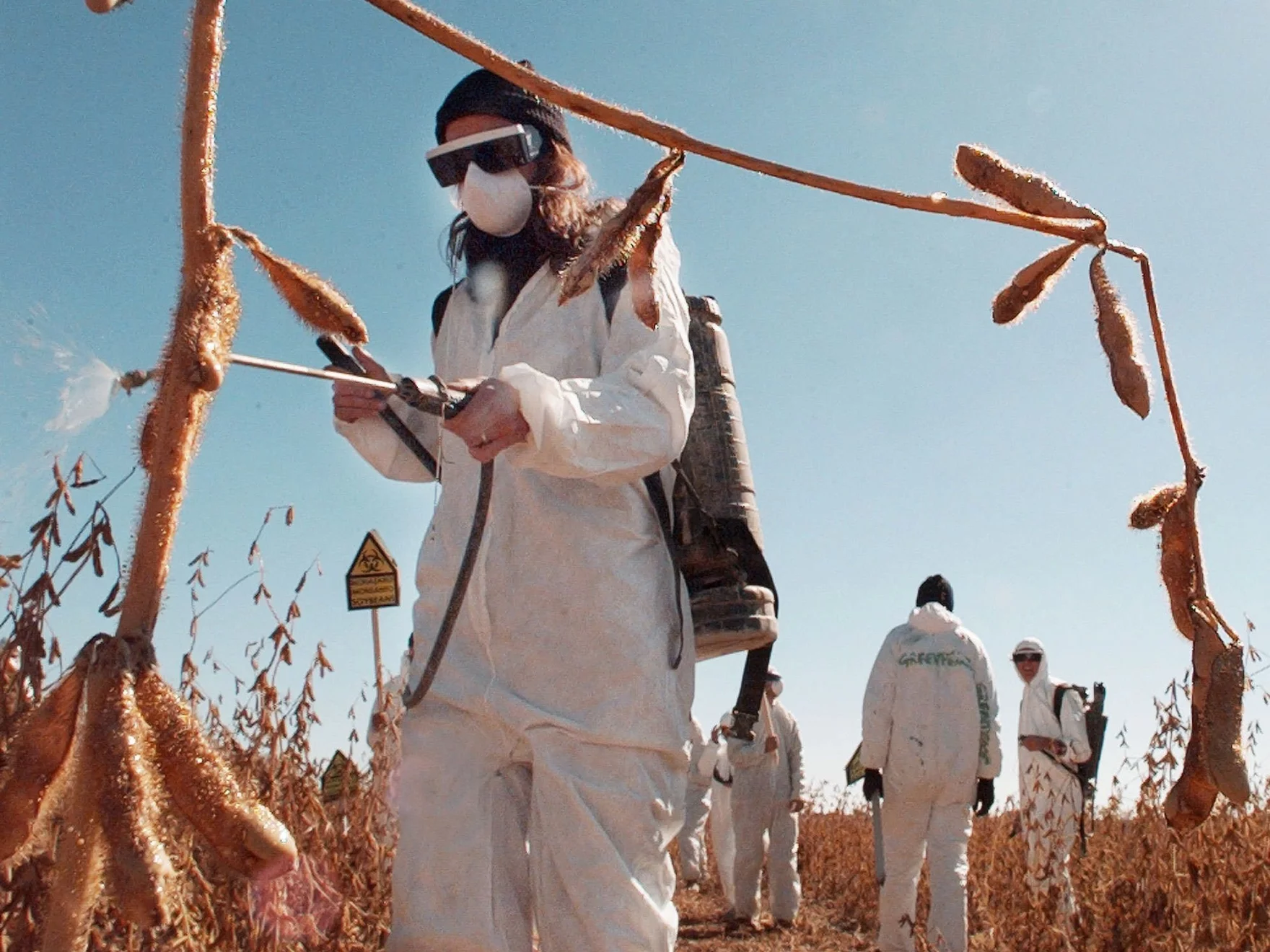
For her part, the executive director of Greenpeace Middle East and North Africa, Ghiwa Nakat, believes that the debate over this draft law goes beyond the issue of regulating the agricultural market, as it is directly linked to the future of food sovereignty in Lebanon and farmers’ rights to preserve their local seeds.
She stresses that Greenpeace does not oppose regulating the seed sector itself but rejects an approach that treats seeds solely as a commercial commodity, as they represent the foundation of food production, part of agricultural heritage, and a historic right of farmers.
She emphasizes that any legislation must be based on protecting farmers’ rights to preserve, use, and exchange their seeds, in line with the United Nations Declaration on the Rights of Peasants and Other People Working in Rural Areas.
Based on this reality, she warns that the proposed version of the law could lead to the marginalization of local seeds in favor of commercial and hybrid varieties, at a time when these seeds are becoming increasingly important due to their ability to adapt to Lebanon’s climate, water scarcity, and climate change.
One of Greenpeace’s main concerns is also the possibility of increasing farmers’ dependence on major corporations and imported seed markets, which could threaten the independence of agricultural production and make food security more closely tied to external commercial interests.
Therefore, it calls for the law to include clear safeguards preventing monopolies and preserving the diversity of seed sources available to farmers. Most importantly, it calls for the inclusion of representatives of farmers, cooperatives, and environmental organizations in any body or committee concerned with the seed sector, rather than limiting participation to commercial and technical stakeholders.
Protest petition
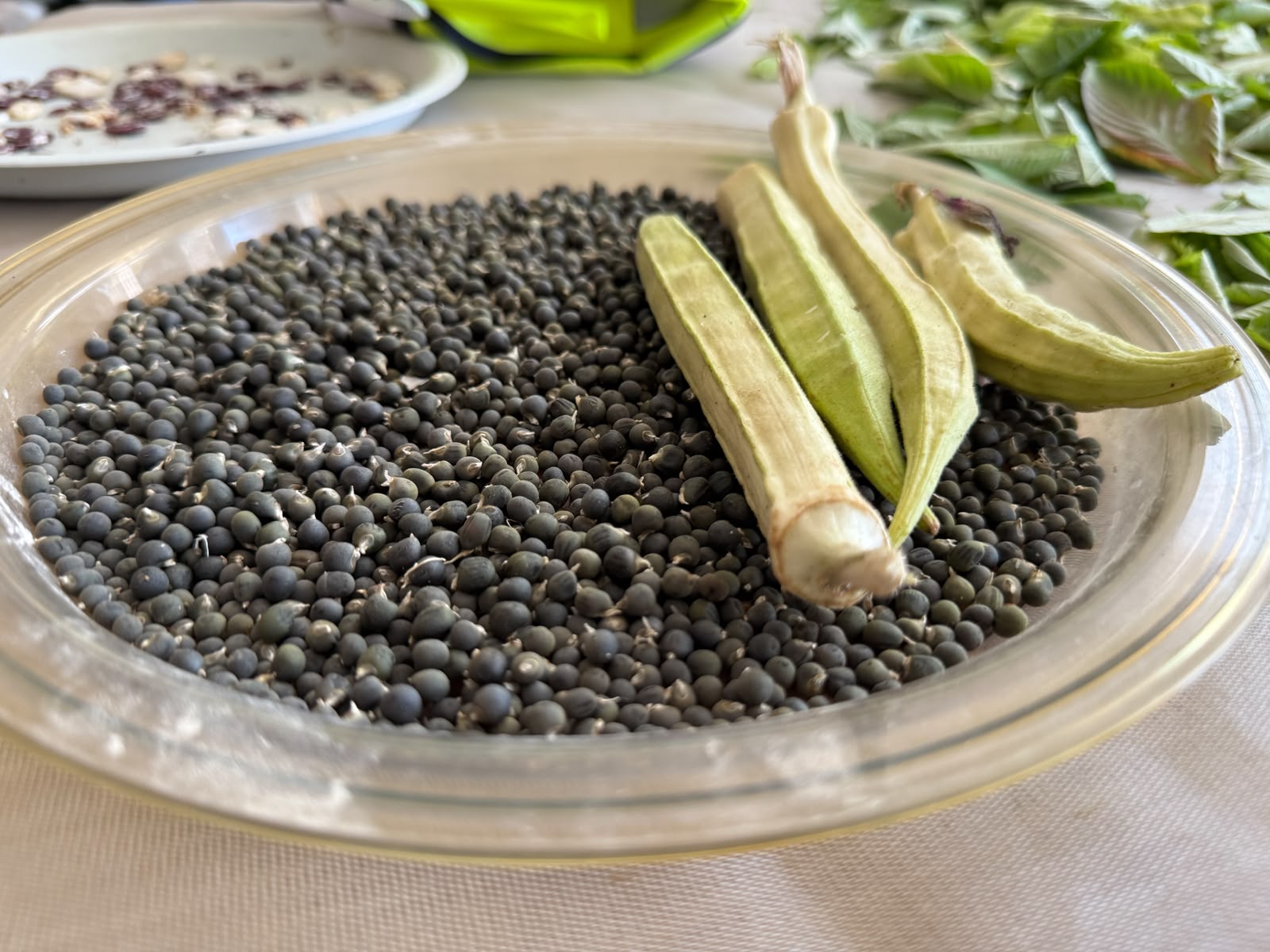
Amid growing opposition to the draft law, environmental and agricultural groups have signed a protest petition highlighting their concerns about its potential impact on traditional farming practices and biodiversity.
Opponents point to examples they consider evidence of a shift in agricultural practices, including the replacement of historic local Lebanese cannabis seed varieties. These rainfed seeds used to grow without the need for irrigation, but were replaced with other varieties that require larger amounts of water in plains regions that already suffer from limited rainfall.
According to critics, this shift has led to higher production costs and increased farmers’ dependence on purchasing seeds annually instead of reusing local seeds.
Agricultural engineer Afif Wehbeh, head of Ardi Ardak company, believes that the project “could reduce farmers’ sovereignty over their food, increase production costs, result in products with lower nutritional value, and affect biodiversity.”
According to his assessment, the main driver behind the project is linked more to commercial considerations than to developing the agricultural sector or supporting local farmers. These concerns are shared by environmental organizations and farmers, some of whom signed a petition opposing the draft law. He believes that implementing it would be extremely difficult and would face practical challenges given the realities of Lebanese agriculture.
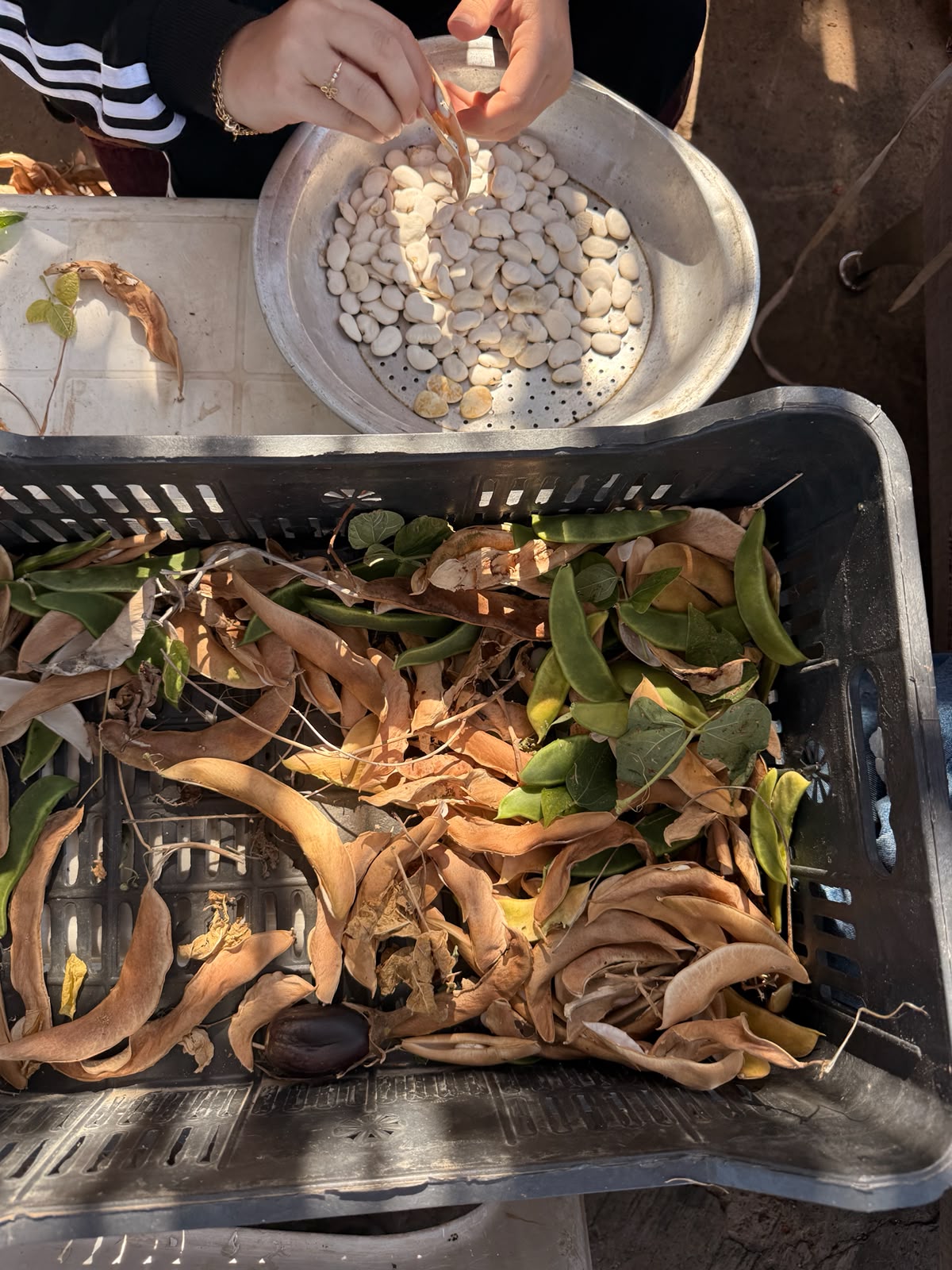
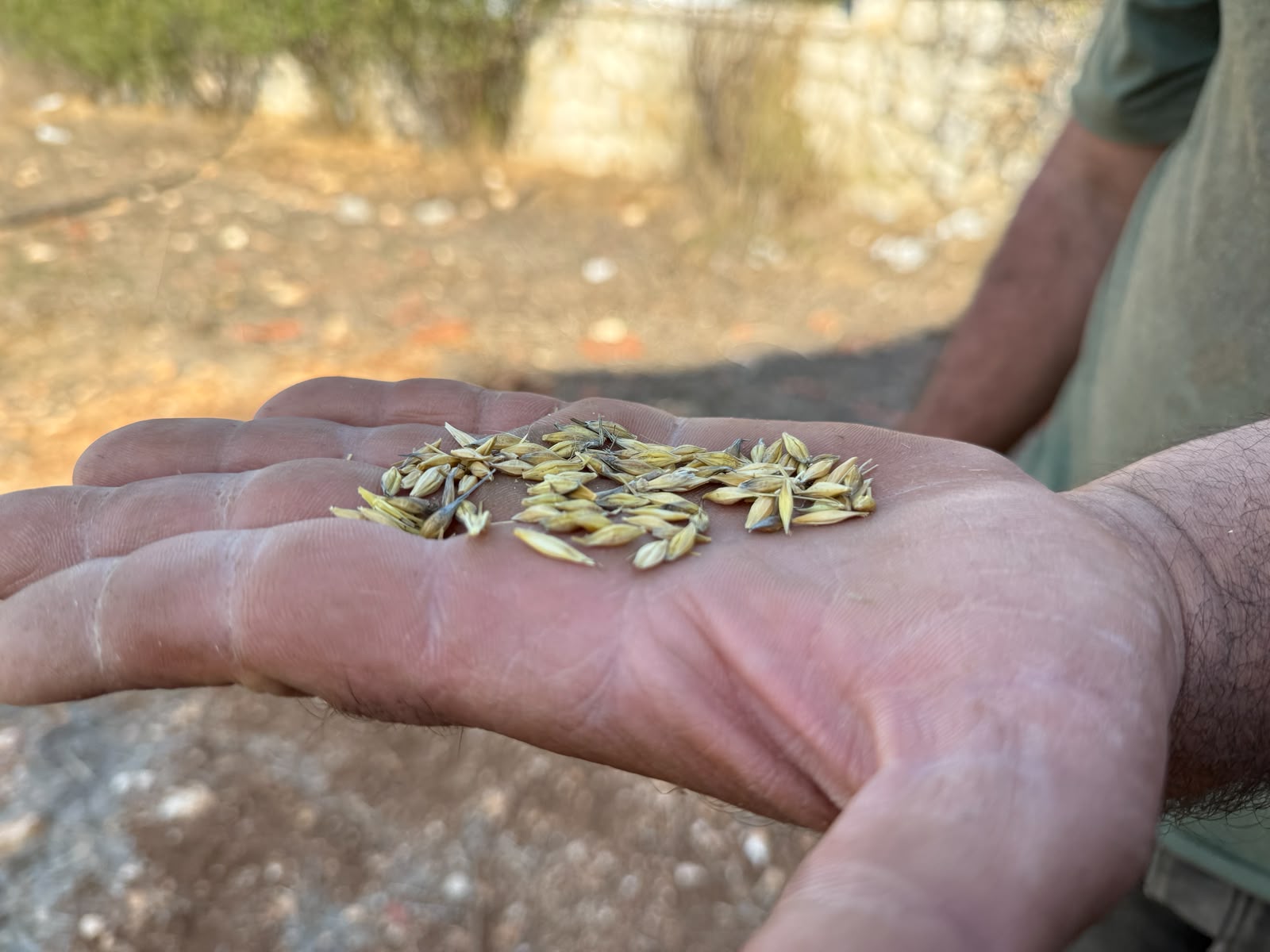
He explains that seeds are divided into three main categories: local seeds passed down through generations, hybrid seeds, and genetically modified seeds. He discusses each category, explaining that local seeds form the foundation of agricultural diversity in Lebanon, as farmers preserve part of their harvest to replant in subsequent seasons. This helps maintain varieties adapted to local climate and soil conditions.
As for hybrid seeds, they provide higher yields but often require farmers to purchase new seeds every season. He gives the example of crossing two types of tomatoes, one characterized by high color quality and the other by larger fruit size, to produce first generation seeds known as F1 seeds, which combine these traits during the first growing season.
The main controversy focuses on genetically modified seeds, which are developed using genetic engineering techniques to give plants specific characteristics, such as resistance to certain pests or the ability to withstand particular environmental conditions.
These genetically modified seeds are often introduced within a commercial framework linked to companies specializing in agricultural technology and are sold through organized production systems that differ from traditional seeds. The debate surrounding them centers on their impact on farmers’ independence and their ability to reuse them from one season to the next.
Local seeds passed down from one generation to another
Farmer Zeinab Mehdi says: “Local seeds are part of our agricultural heritage and our identity. We inherited from our fathers and grandfathers the knowledge of preserving seeds and planting them from one season to the next. They provide us with abundant yields and a quality we know very well.”
As for the hybrid seeds we hear about today, she adds, they “do not give us the same results. They are also more vulnerable to diseases and require the use of fertilizers and chemicals, which we try to avoid as much as possible in our farming.”
In southern Lebanon, where more than 80% of the population depends directly or indirectly on agriculture, local seeds form an essential part of the agricultural production cycle. Farmers exchange these seeds and preserve them from one season to the next, reducing their financial burdens and maintaining their agricultural independence.
She believes that reliance on hybrid seeds places additional burdens on farmers, particularly small scale farmers. In her view, “Hybrid seeds are planted for only one season, forcing farmers to buy them every year. This is beyond the financial capacity of many farmers, in addition to the administrative requirements related to purchasing, registering, and testing them.”
Zeinab’s attachment to local seeds is not only linked to economic costs, but also to her personal belief in the importance of natural food. For her, “We try as much as possible to avoid anything that could affect the health of our families. That is why we prefer the seeds we are familiar with and know the characteristics of, rather than relying on new varieties that are unhealthy and cause diseases. We try to keep diseases away rather than bring illness into our homes and our food."
Seed patents
Despite the different backgrounds of those objecting to the draft law, they share a number of concerns related to the future of agriculture and food sovereignty.
In this context, Fatima Raad, a wellness consultant and specialist in Ayurveda, a type of traditional medical system dating back more than 5,000 years, believes that the debate goes beyond technical and regulatory aspects to address a broader issue related to food sovereignty.
She says: “Hybrid or genetically modified seeds are often marketed as a means of increasing production, while the potential impact they may have on farmers’ independence and on the nature of the future food system is overlooked in the debate.”