

Hormuz standoff leaves Trump and Tehran with few diplomatic options
Escalating military exchanges and deadlocked diplomacy push hopes for a ceasefire and renewed nuclear negotiations further out of reach.



 Messenger
 Whatsapp
 Threads
 Email
Email
 Print
Print
 X
X
 Facebook
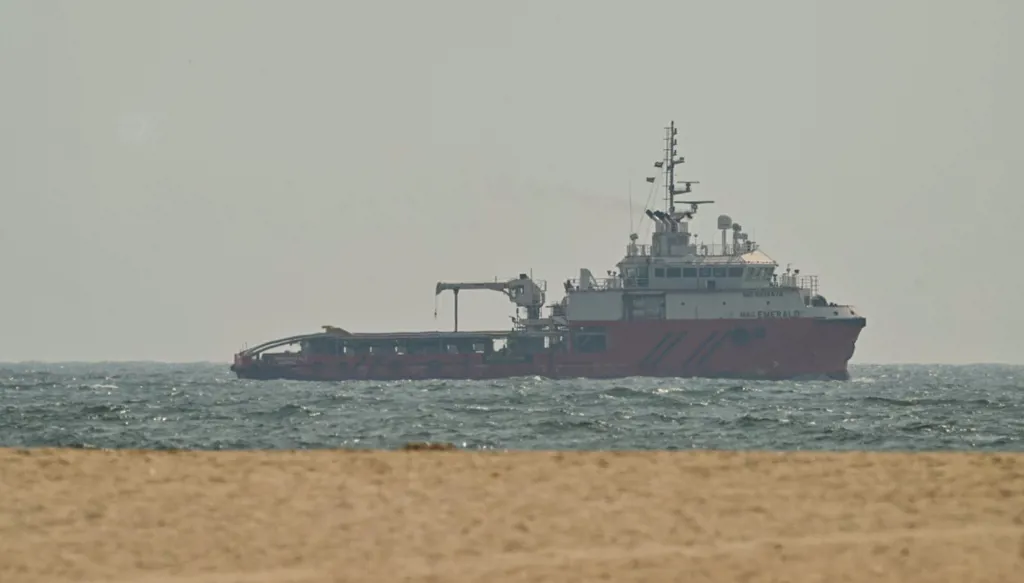


There is no common ground between the United States and Iran over the Strait of Hormuz. Instead, the two sides remain locked in successive rounds of retaliatory strikes, significantly diminishing the chances of reaching a new ceasefire or resuming negotiations toward a final agreement, including one on Iran's nuclear program.
At present, it is difficult to reconcile President Donald Trump's demand to reopen the strait to commercial shipping along all routes with Iran's refusal to permit passage except through the northern route designated by the Revolutionary Guard. Diplomatic efforts led by Qatar, Pakistan, and other mediators have so far failed to produce positive results.
Accelerating Field Escalation
The situation has continued to deteriorate. On Friday, Iran rejected a US request to issue a statement on Saturday announcing the reopening of the strait to unrestricted navigation. On Sunday morning, the Revolutionary Guard launched missiles and drones at a Cypriot container tanker attempting to transit the southern route near the Sultanate of Oman, causing a major fire aboard the vessel and killing one crew member. US forces responded with a wave of airstrikes targeting 140 Iranian sites, according to a statement by US Central Command (CENTCOM).
In retaliation, the Revolutionary Guard launched missiles and drones at Kuwait, Bahrain, Qatar, Oman, the United Arab Emirates, and Jordan. Notably, Iran had excluded Qatar, the UAE, and Oman from its strikes on Tuesday and Wednesday of the previous week. The latest attacks mark a further escalation in reciprocal responses, raising fears of a broader regional conflict and the possibility of a wider war.
The escalation is evident not only on the battlefield but also in the rhetoric from Tehran and Washington. In a message issued on Saturday, Supreme Leader Mojtaba Khamenei vowed to avenge his father, former Supreme Leader Ali Khamenei, who was killed in the recent war. Meanwhile, Trump declared that "a thousand missiles" were ready to be launched against Iran should any assassination attempt take place.
It is now clear that the United States and Iran have moved beyond the 14-clause memorandum of understanding, and that any renewed diplomatic effort will have to begin with fresh understandings, starting with a clear determination of the strait's future.
Complicated Hormuz Negotiations
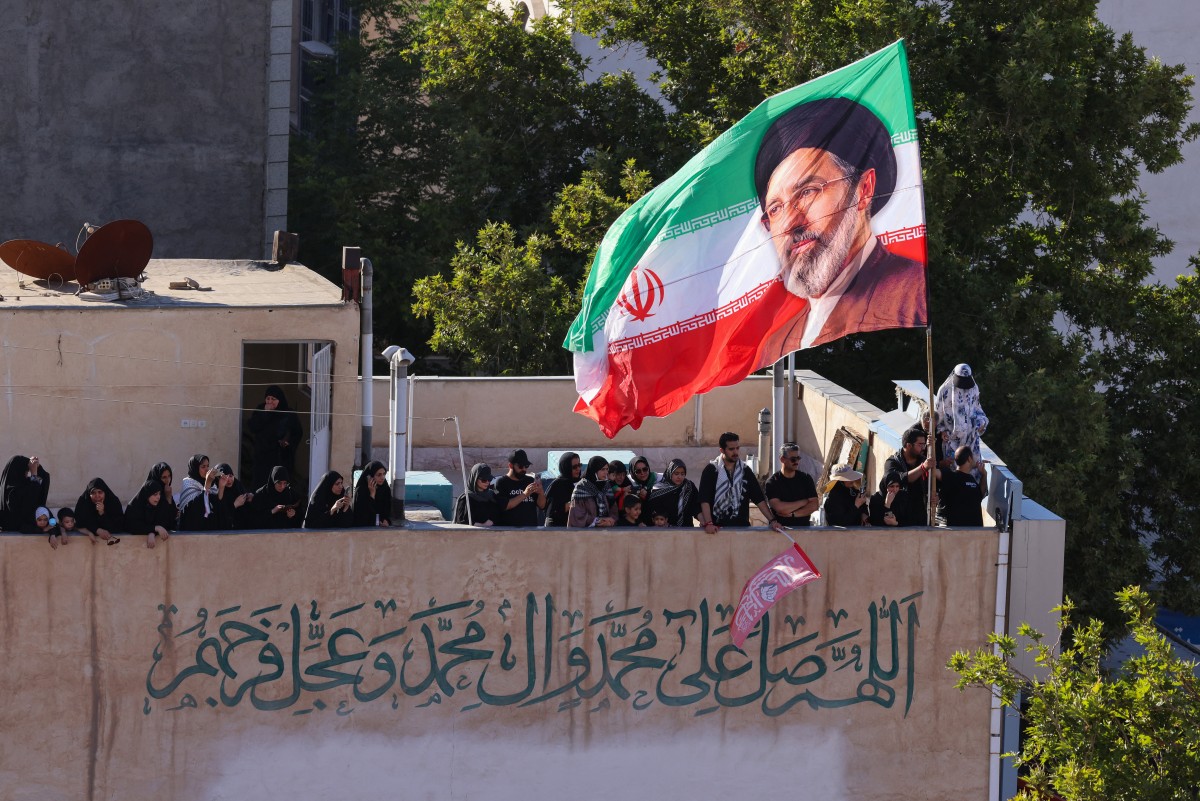
US officials believe that the Revolutionary Guard, rather than Iran's political leadership, controls decision-making over the strait. The Guard fears that negotiating its status would weaken one of Iran's most powerful deterrents by ending its ability to hold the global economy at risk, thereby making it easier for Washington to launch another large-scale war.
In Tehran's view, the strait serves as leverage to ensure that the United States honors its commitments under the memorandum of understanding, including maintaining the ceasefire in Lebanon, providing sanctions relief, and reducing its military presence in the region.
Tehran also argues that Article 5 of the memorandum authorized it to establish the "arrangements" governing tanker passage during the 60-day ceasefire period set out in the agreement signed on June 17.
Washington, meanwhile, believes that securing Iran's acceptance of unrestricted navigation through the Strait of Hormuz would force Tehran to show greater flexibility on other key issues, particularly its nuclear program.
At its core, the dispute over the strait has become a test of political will that could determine the outcome of the broader negotiations. With the Revolutionary Guard announcing the complete closure of the strait, oil prices are expected to rise once again, increasing pressure on global markets, including those in the United States. This comes as unwelcome news for Republicans concerned that renewed inflation could cost them control of Congress in the fall midterm elections.
The situation further deepens Trump's dilemma: either expand the military conflict or return to the memorandum of understanding under Iranian terms. In either case, the risks appear unlikely to be resolved in the foreseeable future.
Disclaimer: The opinions expressed by the writers are their own and do not necessarily represent the views of Annahar.