

U.S.-Iran conflict escalates as Washington strikes Iran for third straight day, oil prices jump
Military tensions intensify after U.S. strikes on Iranian targets and Tehran's retaliation across the Gulf, while the renewed Strait of Hormuz crisis drives oil prices higher.



 Messenger
 Whatsapp
 Threads
 Email
Email
 Print
Print
 X
X
 Facebook
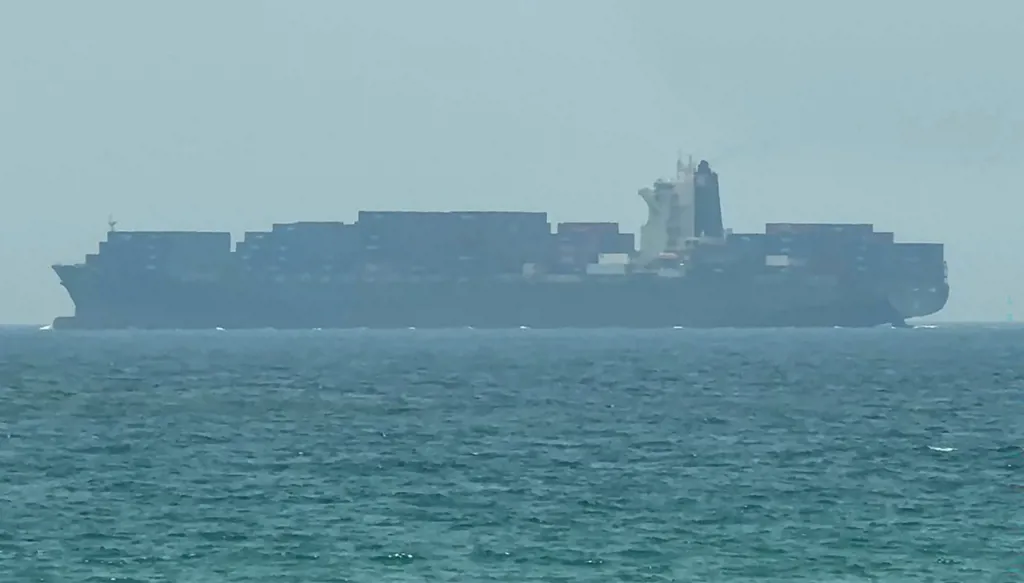


For the third consecutive day, the United States launched strikes on sites in southern Iran in response to the Iranian Revolutionary Guard targeting commercial ships in the Strait of Hormuz, according to the U.S. Central Command (CENTCOM).
Iran responded by targeting U.S. bases across the region and reaffirmed the re-closure of the Strait of Hormuz, threatening the memorandum of understanding between the two sides as military escalation continued.
CENTCOM announced that it had completed a "new wave of offensive strikes against Iran on July 12," targeting dozens of sites across multiple areas with precision-guided munitions aimed at undermining Iran's ability to continue attacking international navigation through the Strait of Hormuz.
— U.S. Central Command (@CENTCOM) July 13, 2026
For the first time, the command said the strikes targeted Iranian military air defense systems, coastal radar sites, missile and drone capabilities, and small boats, using U.S. fighter aircraft, warships, and one-way drone attacks by air and sea, according to a statement.
It stressed that the Strait of Hormuz is "a vital maritime corridor for global trade, not controlled by Iran," emphasizing that "U.S. forces are ready to ensure continued freedom of navigation for commercial ships despite ongoing unjustified Iranian aggression, harassment, and arbitrary statements."
The website Axios reported, citing U.S. Central Command, that the Iranian Revolutionary Guard had fired at commercial ships in the Strait of Hormuz, adding that U.S. aircraft intercepted an Iranian cruise missile and a suicide drone.
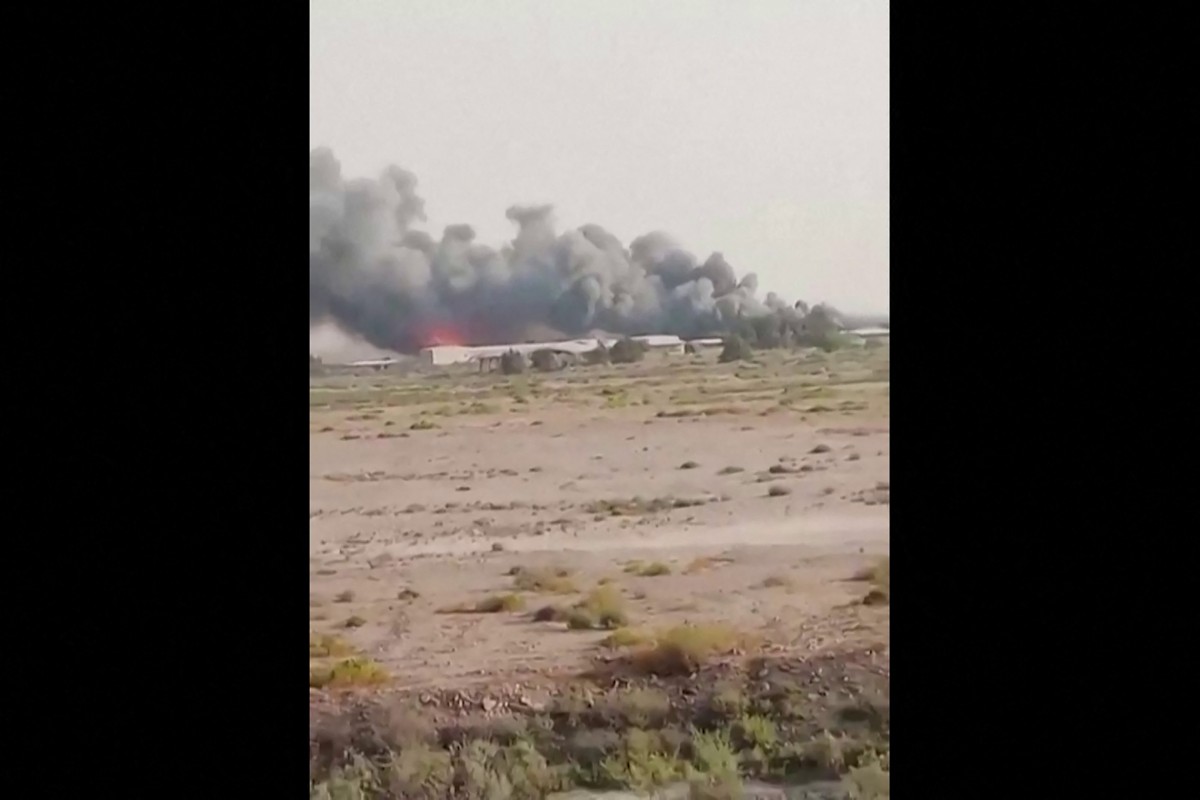
U.S. Attacks on Iran Continue
Early Monday, explosions were reported in several parts of Iran. The Mehr news agency, citing officials in Iran's Central Province, reported that "the enemy targeted areas outside the city of Khandab in central Iran."
Meanwhile, the deputy governor of Khuzestan said that "the American enemy attacked areas in the cities of Behbahan and Dezful in the southwest of the country," announcing "the death of one person and the injury of four others following an American strike on an agricultural water pumping station in the city of Mahshahr." The Iranian Revolutionary Guard also reported that the "U.S. army launched an attack on Iranian coastal military bases."
Iranian Attacks on Gulf and Jordan
In response to the latest U.S. strikes, the Iranian Revolutionary Guard announced that it had "targeted large missile depots and fuel storage facilities at Prince Hassan Airbase in Jordan with missiles and drones," in addition to "targeting the Sheikh Isa American base in Bahrain and two air bases in Kuwait during the second phase of the retaliatory operation."
On Monday morning, Bahrain's Ministry of Interior announced the activation of warning sirens, urging "citizens and residents to remain calm, proceed to the nearest safe location, and follow updates through official channels." The Revolutionary Guard said the strikes marked "the first phase of the response to U.S. attacks on Iranian coastal bases," adding that "the retaliatory operation will continue."
It also stated: "Our naval forces conducted operations last night to stop two violating ships in the Strait of Hormuz," claiming the vessels had switched off their identification systems and taken an illegal route that endangered navigation in the waterway.
Axios had previously quoted U.S. officials as saying that "about 20 commercial ships crossed the Strait of Hormuz over the past 24 hours with coordination from the U.S. military, in addition to several vessels that crossed without coordination with Washington."
Iranian Foreign Ministry statement
Diplomatically, Iran's Ministry of Foreign Affairs strongly condemned the latest U.S. strikes late Sunday, accusing Washington of "aborting" all diplomatic efforts made over recent months to reduce tensions in the region. The statement followed the U.S. military's announcement of a new wave of strikes against Iran intended to "undermine" its ability to attack commercial shipping in the Strait of Hormuz.
The ministry said the "brutal attacks are not only a flagrant violation of the principles of the United Nations Charter (...) but also constitute a serious threat to international peace and security." It added that the attacks "aborted all efforts made over the past few months to reduce tension and establish peace in the West Asia region."
It also accused Washington of causing a deterioration in security in the Strait of Hormuz and disrupting international commercial navigation through its overt intervention in facilitating Iran's arrangements in the strait.
Oil price surge
Oil prices surged sharply on Monday at the start of the new trading week following renewed military escalation between Iran and the United States over the weekend and Tehran's announcement that it would close the Strait of Hormuz.
Brent crude for September delivery rose 3.75% to $78.86 at around 22:10 GMT on Sunday, while West Texas Intermediate crude for August delivery gained 3.65% to $74.02 per barrel.