

US-Iran escalation shakes Gulf as Strait of Hormuz closure sparks global energy fears



 Messenger
 Whatsapp
 Threads
 Email
Email
 Print
Print
 X
X
 Facebook
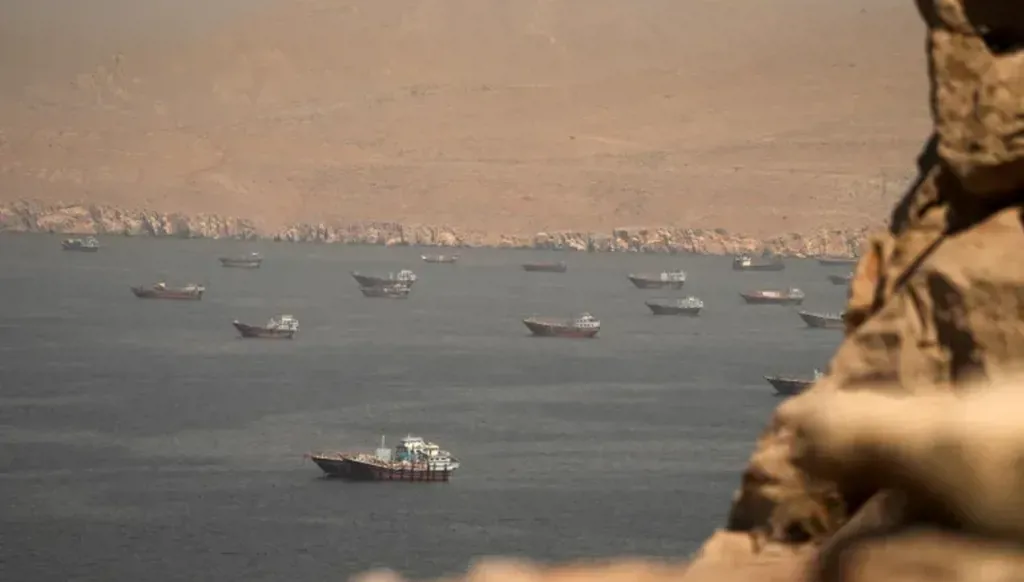


The region witnessed an unprecedented military escalation on Sunday as the United States and Iran exchanged intensive missile and drone attacks. At the same time, Tehran again announced the closure of the strategic Strait of Hormuz while targeting U.S. sites and installations across several Gulf countries, raising concerns over serious repercussions for global energy security.
The latest developments come amid a rapidly deteriorating situation that has unfolded over recent days. U.S. President Donald Trump announced the termination of the ceasefire agreement intended to end the war that erupted following the U.S.-Israeli attacks on Iran on February 28, while leaving the door open for a possible return to negotiations.
Hormuz at the Heart of the Battle… Between Closure and Skepticism
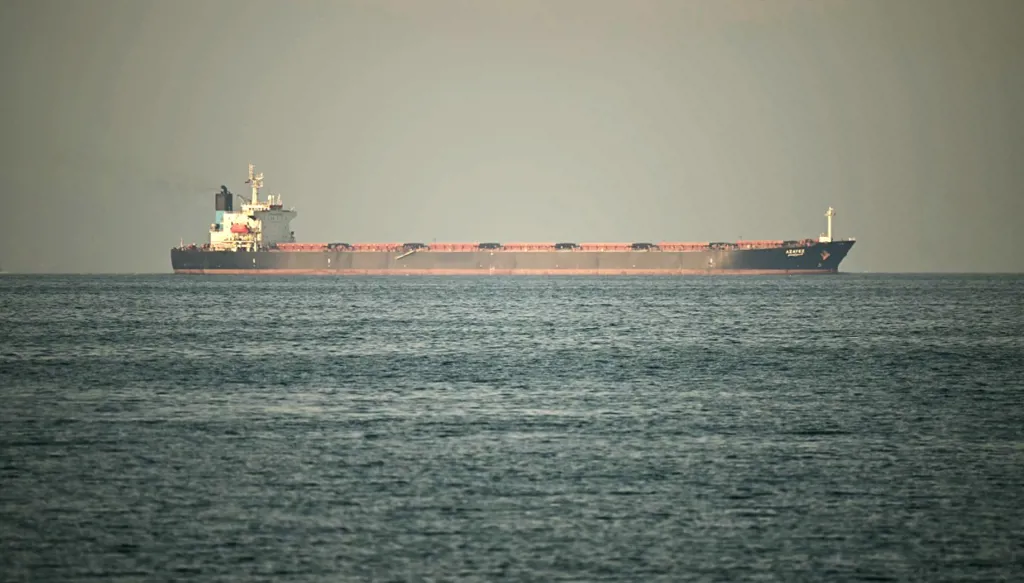
Iran announced the closure of the Strait of Hormuz, one of the world's most vital maritime waterways, following an incident involving a ship that it claimed "was following an unauthorized route," while also confirming that another vessel had been taken out of service.
The Revolutionary Guard stated that "the closure will continue until the end of U.S. intervention in the region."
Meanwhile, the U.S. Central Command denied that navigation had been halted, stressing that commercial vessels continued to transit the strait, which had handled around 20% of global oil and liquefied natural gas supplies before the war began.
Widespread Strikes and Multiple Responses in Gulf Countries
The U.S. Central Command said its forces struck 140 Iranian military sites in a single day, bringing the total to more than 300 targets over three nights, in an effort to reduce Tehran's ability to threaten international shipping.
Iran responded with a series of precision strikes targeting U.S. sites in several countries, including:
— A military base in Jordan housing command-and-control centers and drone hangars.
— A military radar site in Kuwait.
— Support platforms for a U.S. aircraft carrier in the Sultanate of Oman.
— Military facilities and maintenance centers in Qatar.
In Doha, the Ministry of Interior reported "three injuries, including a child, resulting from shrapnel caused by interception operations."
The UAE also announced that it had intercepted missiles and drones, while sirens sounded in Bahrain and explosions were heard in several Gulf capitals.
Unified Gulf Positions… Condemnation and Warning
Saudi Arabia strongly condemned "Iran's destabilizing behavior," describing the repeated attacks on ships and facilities as "a blatant violation of international law and a threat to maritime security."
Kuwait likewise condemned the attacks on several Gulf countries, reaffirming its full solidarity with the affected states and its support for measures to protect their security and sovereignty.
Doha highlighted the seriousness of the escalation, particularly as it has been acting as a mediator in de-escalation efforts, warning that continued attacks could force it to withdraw from that role.
The Qatari Ministry of Foreign Affairs said that "the continuation of these attacks represents a dangerous escalation that would complicate efforts to contain the tensions and undermine political efforts aimed at de-escalation," stressing the need for diplomatic solutions.
The Omani government also condemned the shelling of its territory, reaffirming its rejection of any violation of its sovereignty.
The Oman News Agency reported that Muscat condemned the attack and reiterated its commitment to the principles of sovereignty and to avoiding regional conflicts.
Economic Impacts and Political Pressures
The escalation and the effective closure of the Strait of Hormuz triggered a global rise in energy prices, directly impacting fuel costs and increasing inflationary pressures. The issue also presents a sensitive political challenge for the U.S. president ahead of the November midterm elections.
Sharp Iranian Messages… Between Escalation and Negotiation
Iranian Foreign Minister Abbas Araghchi accused Washington of violating the ceasefire agreement, insisting that "commitment must be mutual."
Chief negotiator Mohammad Bagher Ghalibaf delivered a sharp message, declaring that the era of "unequal agreements is over," and calling on the United States to honor its commitments or "pay the price."
Despite the escalation, Tehran announced an agreement with the Sultanate of Oman to continue dialogue on mechanisms to secure navigation through the Strait of Hormuz, signaling that diplomatic efforts remain underway despite the heightened tensions.