

Iraq’s Balancing Act: Can Ali Al-Zaidi Break Free from Iran’s Shadow?
As Baghdad faces growing pressure from Washington and Tehran, Iraq’s prime minister heads to the U.S. at a turning point that could reshape the country’s regional role.



 Messenger
 Whatsapp
 Threads
 Email
Email
 Print
Print
 X
X
 Facebook
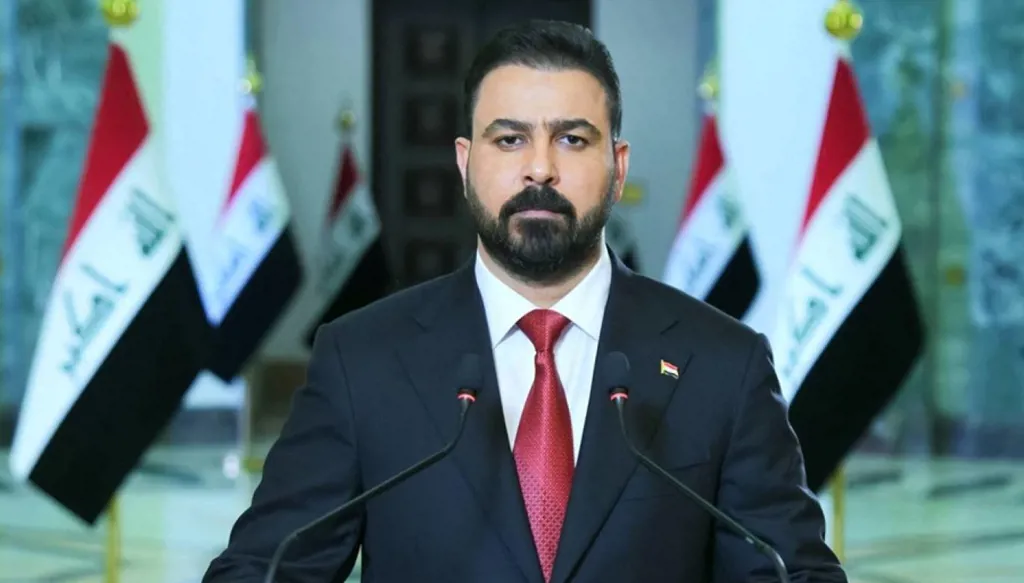


The visit of Iraqi Prime Minister Ali Al-Zaidi to the United States in mid-July marks an important milestone amid the major transformations unfolding across the Middle East, following the US-Israeli war on Iran and the signing of a memorandum of understanding between Washington and Tehran. Uncertainty continues to prevail after the exchange of strikes between the two sides earlier this week, with the possibility of renewed confrontation still looming.
Iraq finds itself at the heart of developments that have barely subsided since October 7, 2023, which was followed by the Israeli wars in Gaza and Lebanon, eventually leading to the latest war on Iran. Amid these escalating regional tensions, the previous equation of coexistence between American and Iranian influences is no longer sustainable. Al-Zaidi must now decide which direction Iraq will take: toward Washington or Tehran.
Any position Al-Zaidi adopts will inevitably carry consequences. Aligning with the United States would expose him to pressure from Iran-aligned Iraqi factions, particularly as the political wings of these groups hold the majority in the Iraqi parliament and possess the ability to mobilize unrest in the streets. When Iran included Karbala and Najaf as stops along the route of Supreme Leader Ali Khamenei’s procession earlier this week, Tehran sent a clear message that it would not abandon Iraq as a sphere of influence.
On the other hand, aligning with Iran would expose Iraq to severe American pressure, including restrictions on the transfer of hard currency to the Iraqi treasury and the potential loss of oil revenues passing through the US Federal Reserve. Based on the ultimatum issued by the Iraqi government to Iran-aligned factions, demanding that they surrender their weapons by the end of September, it can be inferred that Al-Zaidi is determined to meet American demands, even if this requires enforcing state authority by force.
Another step Al-Zaidi took in preparation for his crucial visit to Washington was launching a broad arrest campaign targeting current and former ministers, lawmakers, and influential figures on corruption charges. This marks the first time the government has taken such a bold measure to confront corruption. Notably, among those detained are individuals with close ties to Iran, although the campaign has also included figures from various Iraqi political and social circles. However, it has not reached the country’s most prominent figures.
Through this initiative, Al-Zaidi sought to demonstrate seriousness in fighting corruption and controlling uncontrolled weapons, thereby strengthening the concept of the state in contrast to the militia dominance that has characterized previous years.
Can Al-Zaidi fully distance himself from Iran and adopt a more independent approach? In this context, the issue of Iraqi-Syrian relations, being handled by US Ambassador to Ankara Tom Barrack, comes to the forefront. Barrack is pushing for the conclusion of economic and investment agreements between Baghdad and Damascus, as well as achieving economic integration between the two countries. To this end, Washington is proposing the revival of the Kirkuk-Baniyas oil pipeline on the Syrian coast, or even the construction of a new pipeline if the existing one is no longer operational.
Such a move would allow Iraq to export its oil away from the Strait of Hormuz, which is controlled by Iran. Consequently, Tehran may oppose advancing this project and seek to obstruct it by exerting pressure on Al-Zaidi’s government.
However, at this critical juncture, when there is little room for a middle-ground position, Al-Zaidi must prioritize what serves Iraq’s national interest before seeking ways to appease Iran.
Therefore, Al-Zaidi’s mission will not be easy if he moves toward further disengagement from Iran. At the same time, Washington is demanding that he deepen coordination with Syria and Iraq’s Arab surroundings.