

Strait of Hormuz Crisis Deepens as Iran and U.S. Exchange New Attacks



 Messenger
 Whatsapp
 Threads
 Email
Email
 Print
Print
 X
X
 Facebook
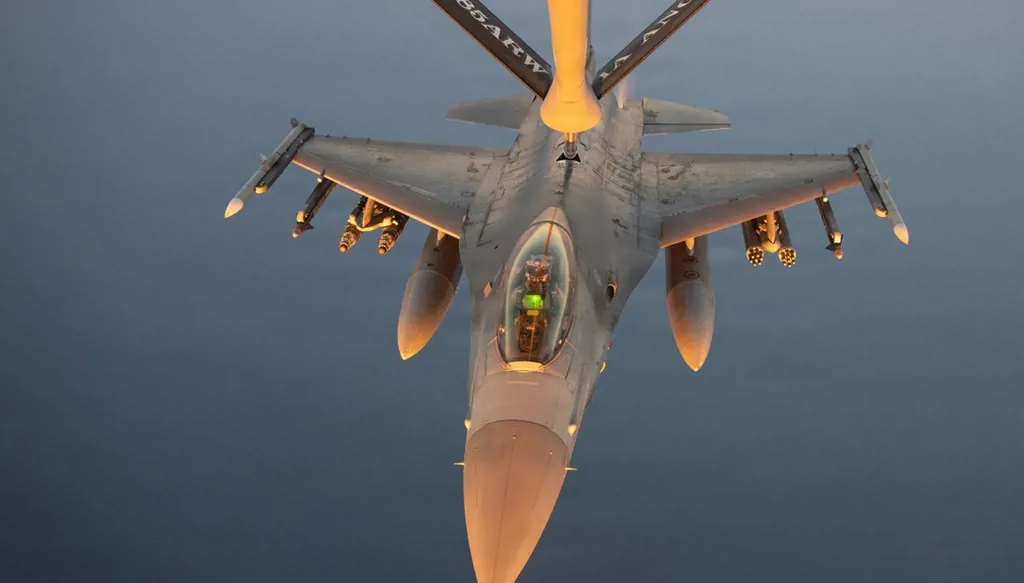
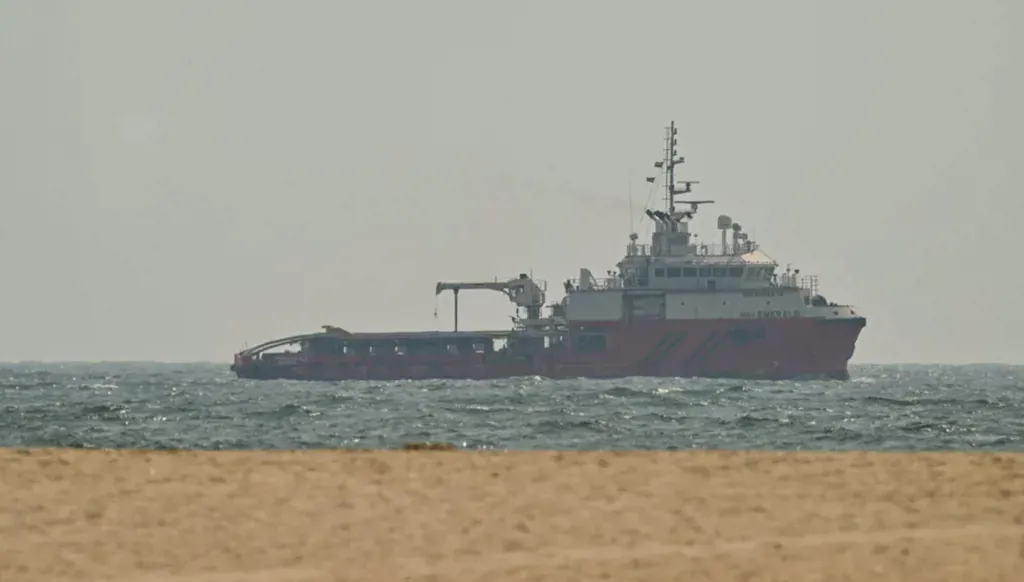
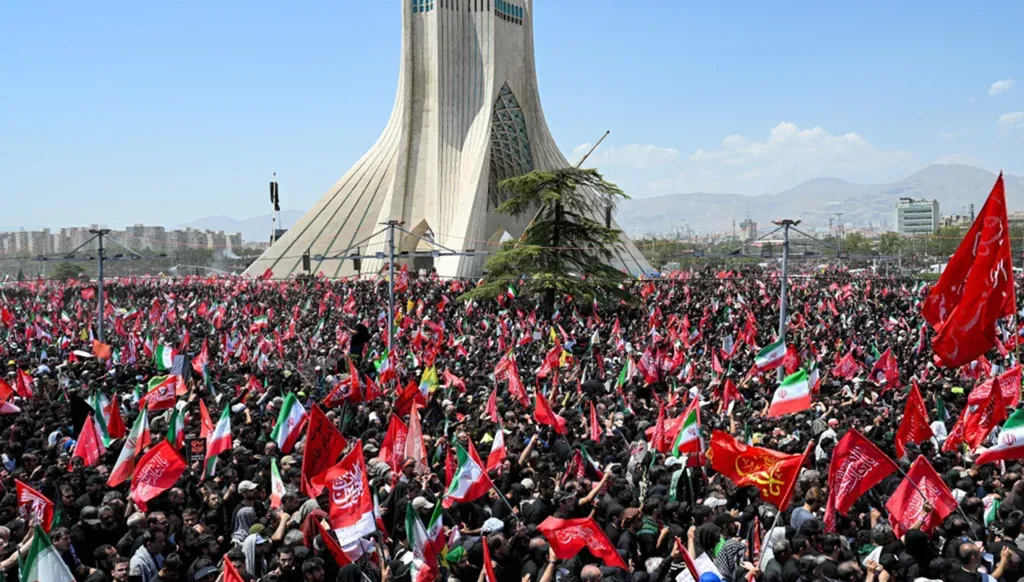


The Middle East erupted again early Sunday after Iran’s Islamic Revolutionary Guard Corps (IRGC) announced the closure of the Strait of Hormuz "until further notice" and targeted a ship in the Oman Sea, prompting the United States to launch a third round of strikes on targets in southern Iran.
While U.S. Central Command (CENTCOM) announced the completion of its latest strikes on Iran on Sunday morning, Iranian state television, citing the IRGC, reported that a "second violating ship" had also been targeted in the Strait of Hormuz.
The renewed escalation has spread beyond the strategic waterway, affecting Gulf countries and Jordan, where the IRGC said it targeted U.S. military bases across the region. The developments threaten the memorandum of understanding signed between the two sides despite ongoing mediation efforts aimed at containing the crisis.
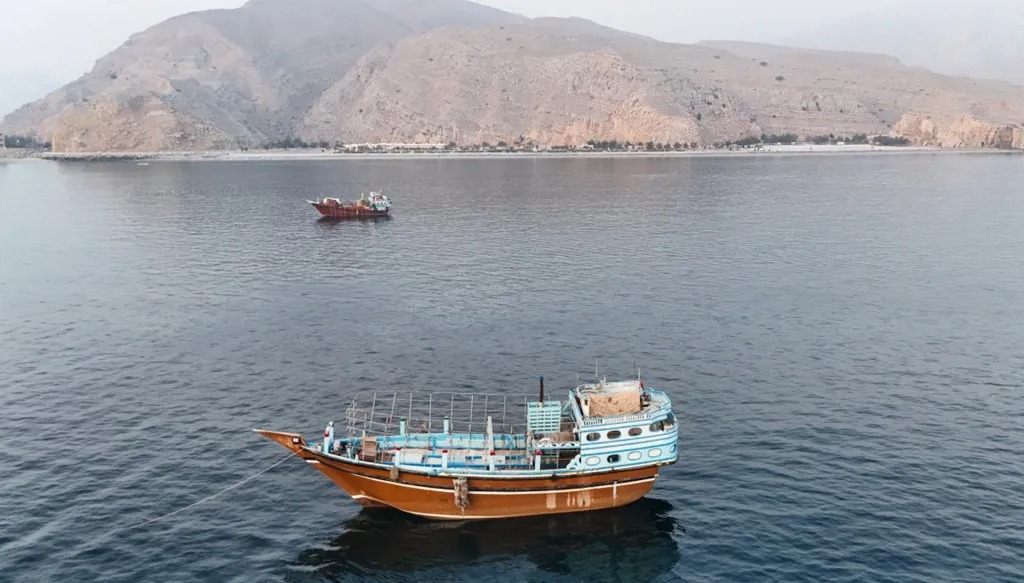
What Happened Between Iran and the United States Early Sunday?
1-Iran Targets Ship and Closes Strait of Hormuz
The Islamic Revolutionary Guard Corps (IRGC) announced on Sunday that the Strait of Hormuz would be closed "until further notice" after its naval forces fired warning shots at a ship during what it described as an unauthorized passage, according to the official Iranian news agency IRNA.
In a statement, the IRGC Navy said the vessel was struck with warning fire and forced to stop after ignoring repeated instructions to use the designated shipping route.
The statement added that the Strait of Hormuz would remain closed until further notice and until U.S. intervention in the region ceases, stressing that no ships would be allowed to pass through the waterway.
The IRGC also warned that it would target additional "enemy bases" in the region if the United States carried out further attacks under the pretext of the latest incident, which followed the recent U.S. strikes on Sunday morning.
Meanwhile, both Axios and Politico reported that Washington had given Tehran a deadline expiring on Saturday to stop targeting commercial vessels in the Strait of Hormuz and formally acknowledge that the waterway remained open.
Meanwhile, both Axios and Politico reported that Washington had given Tehran a deadline expiring on Saturday to stop targeting commercial vessels in the Strait of Hormuz and formally acknowledge that the waterway remained open.
2-The United States Launches 'Third Round' of Strikes Against Iran
Late Saturday into Sunday, the U.S. military announced that it had begun a new round of strikes against Iran following the Iranian attack on a container ship in the Strait of Hormuz.
U.S. Central Command (CENTCOM) said the third round of strikes began at 7:15 p.m. Washington time (11:15 p.m. GMT), "after the Islamic Revolutionary Guard Corps launched a blatant assault on the MV GFS Galaxy, a Cyprus-flagged container ship transiting the Strait of Hormuz."
At 7:15 p.m. ET today, U.S. Central Command forces began launching the third round of strikes this week against Iran after Islamic Revolutionary Guard Corps forces blatantly attacked M/V GFS Galaxy, a Cyprus-flagged container ship transiting the Strait of Hormuz. A civilian crew…
— U.S. Central Command (@CENTCOM) July 11, 2026
CENTCOM added that the United States was imposing "a heavy price" on Iran by continuing to degrade its ability to attack civilian sailors and commercial vessels freely navigating the strait, noting that the operation was carried out under the direction of the commander-in-chief.
U.S. Secretary of Defense Pete Hegseth wrote in a brief statement that Iran had "made a poor choice" by attacking a ship in the Strait of Hormuz and was now "paying the price."
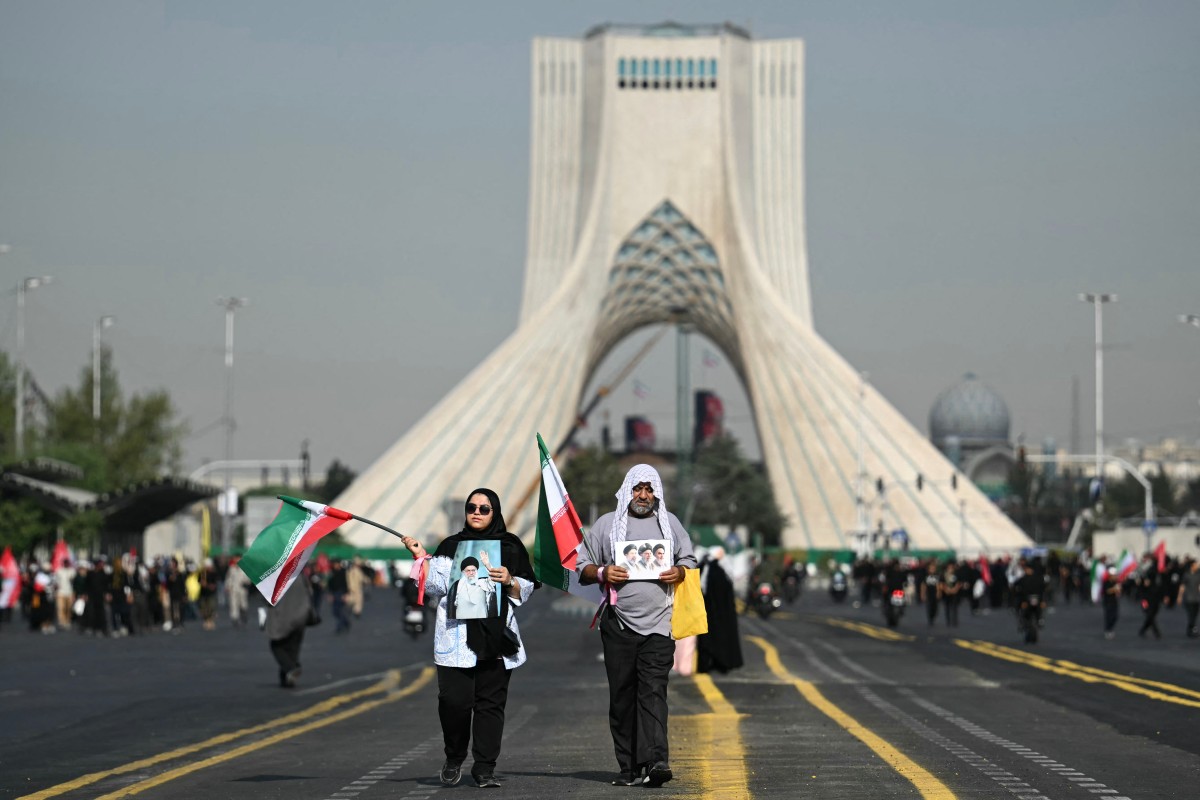
3-What Did the U.S. Military Target in Its Latest Strikes on Iran?
Later on Sunday, CENTCOM announced that it had completed the third round of strikes against Iran.
According to the command, approximately 140 Iranian military targets were struck using precision-guided munitions launched from ground forces, naval fighter aircraft, unmanned aerial systems, and warships. The targets included missile and drone sites, naval capabilities, ammunition depots, communications networks, and coastal surveillance facilities.
CENTCOM said that over the course of three nights of operations this week, more than 300 targets had been struck under the direction of the commander-in-chief, with the objective of degrading Iran's ability to attack civilian sailors and commercial shipping transiting the Strait of Hormuz. It also affirmed that commercial shipping continued to move through the vital international waterway.
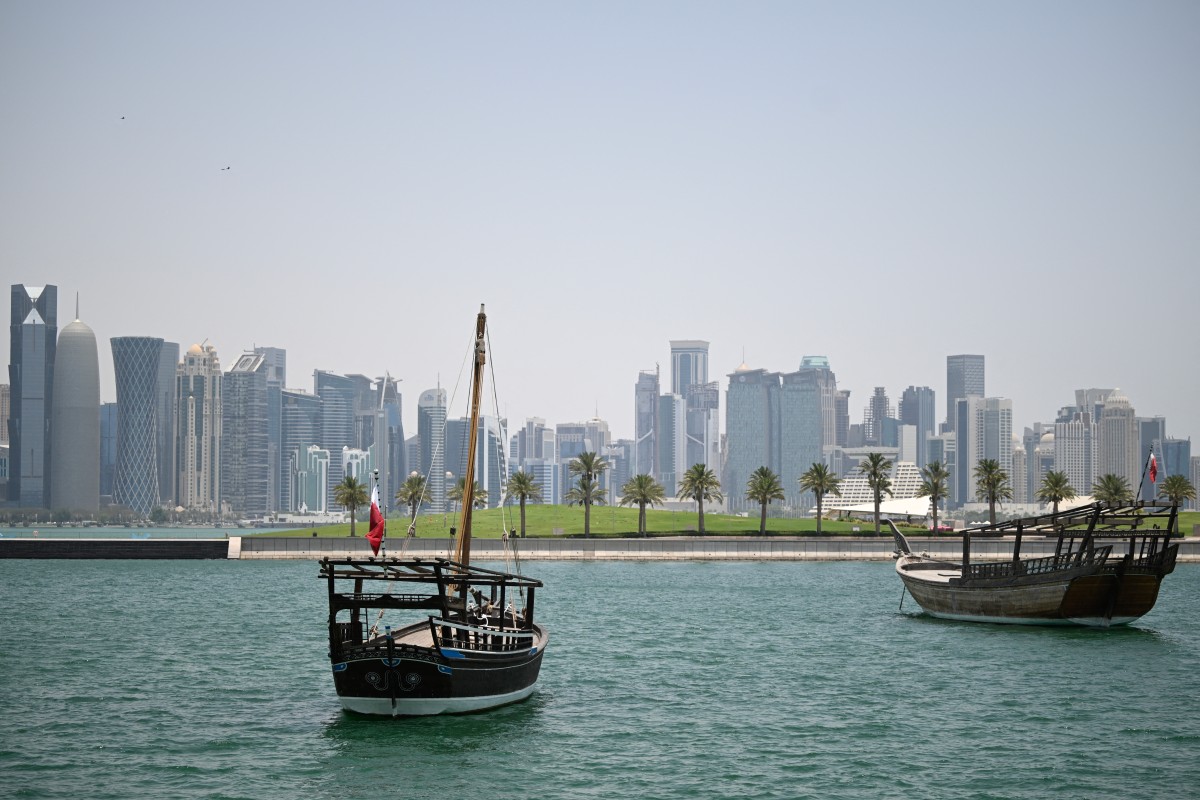
4-Iranian Attacks on Gulf Countries
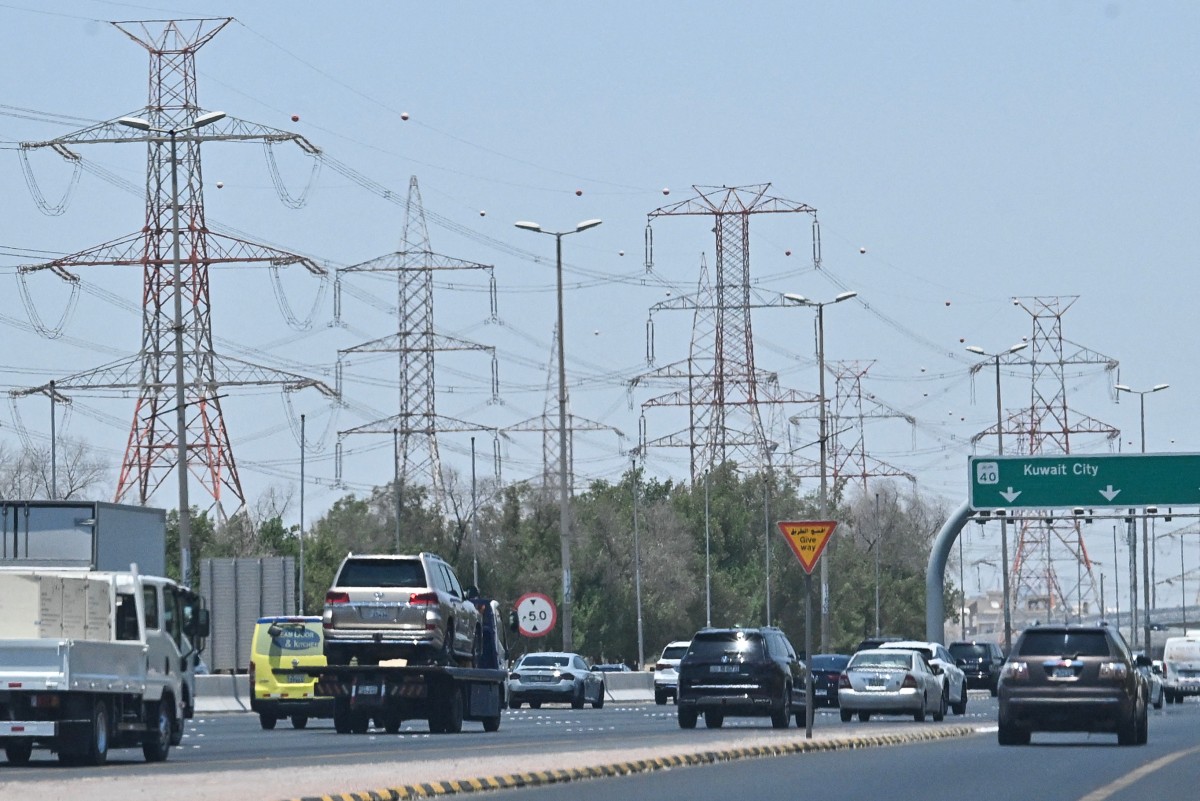
At the same time, Iran responded to the latest U.S. strikes by targeting American military bases in several regional countries, according to Iranian statements. Air raid sirens sounded early Sunday in Qatar, Bahrain, the UAE, Kuwait, and as far as Jordan.
The UAE Ministry of Defense said on X that the country's air defenses were intercepting rockets and drones launched from Iran. It added that the sounds heard across different parts of the country were the result of air defense systems engaging ballistic missiles, cruise missiles, and drones.
Qatar's Ministry of Interior warned that the security threat level was high and urged residents to remain in their homes or other safe locations.
The Bahraini Ministry of Interior also announced the activation of sirens across the country, calling on citizens and residents to proceed immediately to the nearest safe shelter.
Meanwhile, the Kuwaiti military said its armed forces were responding to hostile aerial targets within Kuwaiti airspace, noting that any explosions heard were the result of air defense systems intercepting incoming threats.
The military also urged the public to comply with all safety and security instructions issued by the relevant authorities.
5-The Revolutionary Guards Warn the United States
In a separate statement, the IRGC warned that continued "treacherous American aggression" would trigger harsher responses. It also claimed to have thwarted U.S. attempts to move ships through what it described as an "illegal passage" south of the Strait of Hormuz, forcing them to stop.
According to the statement, "The United States sought to maneuver ships through the illegal passage south of the Strait of Hormuz by imposing its will on Oman."
Regarding the latest attacks, the IRGC claimed it had destroyed the command-and-control center at Jordan's Prince Hassan Air Base, as well as MQ-9 drone hangars, using multiple ballistic missiles.
The IRGC further stated that U.S. forces had attacked several coastal bases and communications towers along Iran's southern coastline in an attempt to compensate for what it described as their failure in Hormuz, adding that Iran responded immediately.
It also claimed to have struck a Patriot air defense system, an ammunition depot, and a radar installation used by U.S. forces in Kuwait with drones, in addition to attacking a communications system and radar site used by the U.S. military in Bahrain with "suicide drones."
6-British Agency: Crew of Damaged Ship Off Oman Has Left
The UK Maritime Trade Operations (UKMTO) agency reported on Sunday that the crew of a damaged container ship abandoned the vessel after military authorities confirmed that it had sustained damage and caught fire off the coast of Oman.
The agency had earlier reported receiving notification of an incident approximately nine nautical miles (16.7 kilometers) east of Oman.
In an update, UKMTO said military authorities and an official aboard the vessel confirmed that the crew had abandoned ship and were now in a lifeboat, adding that investigations into the incident were ongoing.
Separately, U.S. Central Command said on X that one civilian crew member remained missing and that the vessel was unable to continue its voyage because of a fire on board and extensive damage to its engine room.