

Anti-corruption campaign puts Iraqi government under growing political pressure
Al Zaydi insists on enforcing the law without exceptions as influential political forces warn of repercussions for the country’s political balance



 Messenger
 Whatsapp
 Threads
 Email
Email
 Print
Print
 X
X
 Facebook


Disputes within the Coordination Framework
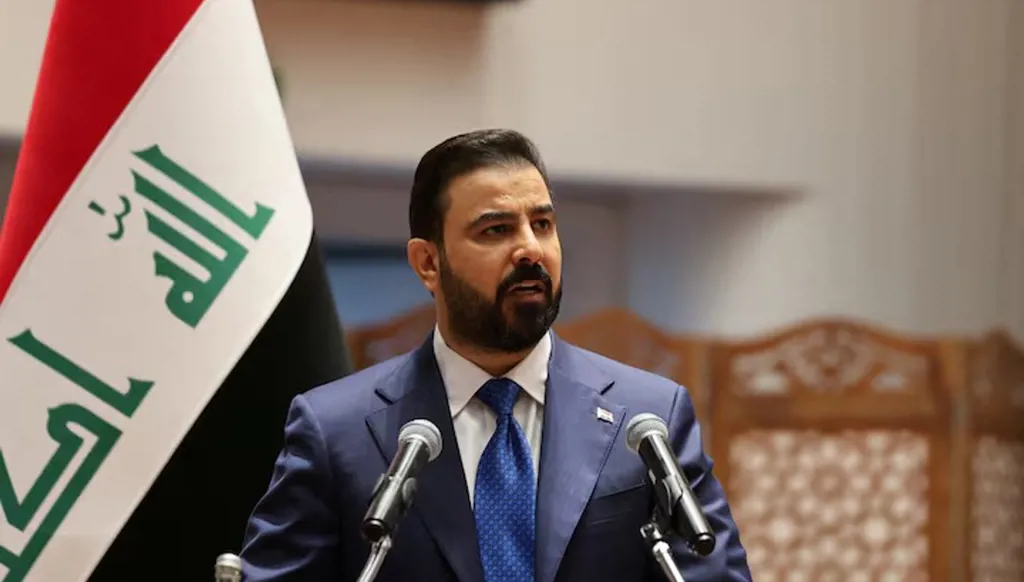
The sources added that the latest meeting between the prime minister and prominent leaders of the Coordination Framework witnessed heated discussions over the course of the anti-corruption campaign. Some leaders asked Al Zaydi not to cross what they described as “red lines” when pursuing figures who have political backing or party influence, and to limit investigations to cases involving employees or officials who do not have political protection. They argued that this would prevent what they considered potential repercussions that could affect the cohesion of political forces and their public image.
The sources confirmed that the prime minister “categorically rejected these proposals,” stressing that his government would not adopt any exceptions in enforcing the law. He said he does not acknowledge any red lines preventing the pursuit of anyone suspected of corruption, regardless of their political or executive position or the extent of their influence. He also emphasized that restoring citizens’ trust in the state begins with enforcing the rule of law equally on everyone.
The sources firmly stated that this position “has led to a clear cooling of relations between the prime minister and some political leaders within the Coordination Framework, as well as other parties outside it.” They added that this could signal the beginning of a new phase of political disputes during the government’s first months in office, potentially affecting the level of coordination needed to implement the government’s plan and pass the legislation and reforms it has pledged to deliver.
Challenges Facing the Government
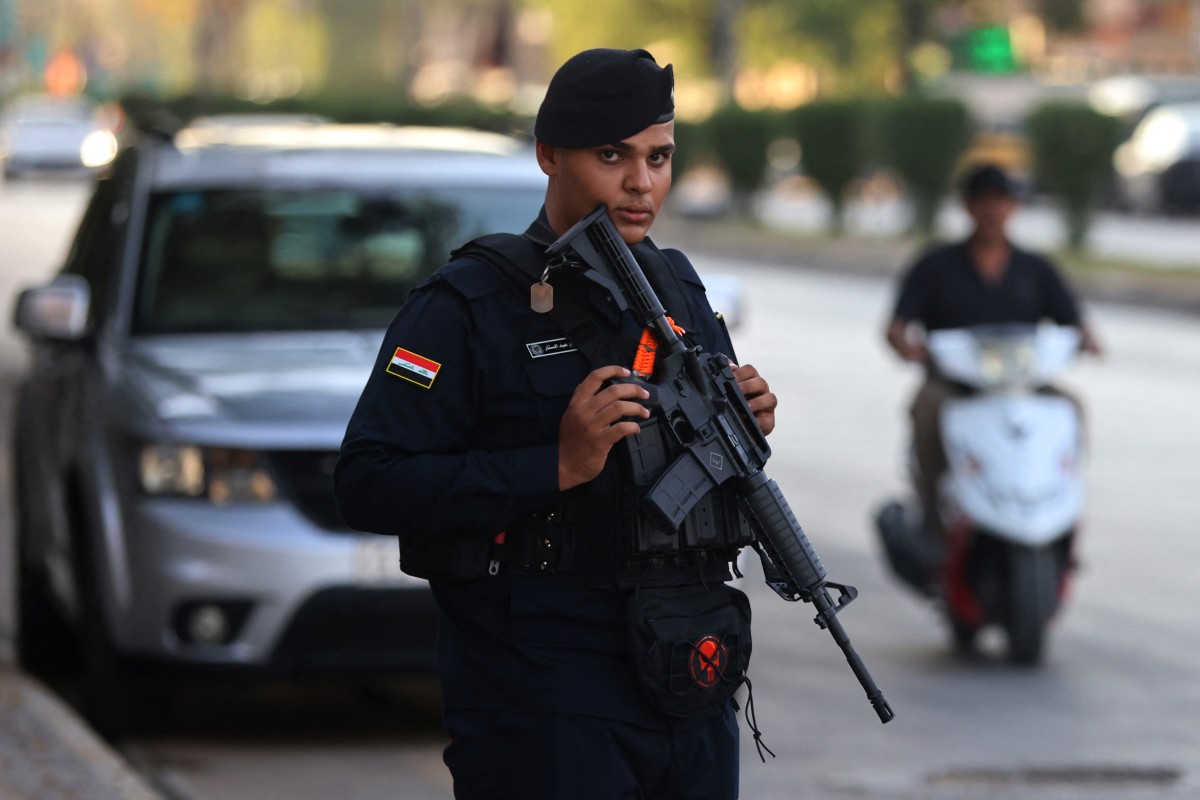
These developments come following a series of government measures targeting current and former lawmakers, senior government officials, and influential political figures as part of major corruption cases that remain under investigation by the relevant authorities. The developments have brought the anti corruption file back to the forefront of the political scene and raised questions about the Iraqi government’s ability to continue along this path amid the complexities of political balances, as well as the willingness of influential forces to accept a campaign that excludes no one from legal accountability.
For his part, former Iraqi MP Jawad Al Yasari told Annahar that the government’s success in continuing its anti corruption campaign represents today “a real test of the state’s ability to enforce the rule of law.” He added that any retreat from this course “would send negative messages to the Iraqi public and the international community regarding the seriousness of the reforms” pledged by the government.
He explained that the fight against corruption “has become an issue receiving widespread attention from Iraqi public opinion, while also being closely monitored by Iraq’s international partners, who are watching indicators of reform, the strengthening of governance, the protection of public funds, and the improvement of the investment environment.”
Al Yasari added that continuing legal measures against those accused, regardless of their positions or political affiliations, “would strengthen citizens’ confidence in state institutions.” He stressed that the law “must be applied to everyone without exception,” while any retreat or selectivity in enforcing the law would “undermine public trust and give corruption networks an opportunity to reorganize their influence within state institutions.”
He emphasized that confronting corruption carries political costs because it affects the interests and influence of parties that have become accustomed to exploiting state institutions. However, he said the success of any government is measured by its ability to continue implementing reforms despite pressure, not by backing down at the first political challenge.
The former Iraqi lawmaker stressed “the need to provide political and institutional support for the government, oversight bodies, and judicial authorities, and to keep the course of investigations and legal procedures free from pressure or interference.” He added that combating corruption is a shared national responsibility and that any attempt to obstruct this process would have direct repercussions on political and economic stability, while also affecting citizens’ confidence in state institutions and Iraq’s image before the international community.