

Lebanon awaits Rome talks amid increasing demands for Israeli withdrawal
Lebanon seeks tangible Israeli withdrawal steps before the Rome talks, as domestic opposition to the agreement continues to grow.




 Messenger
 Whatsapp
 Threads
 Email
Email
 Print
Print
 X
X
 Facebook
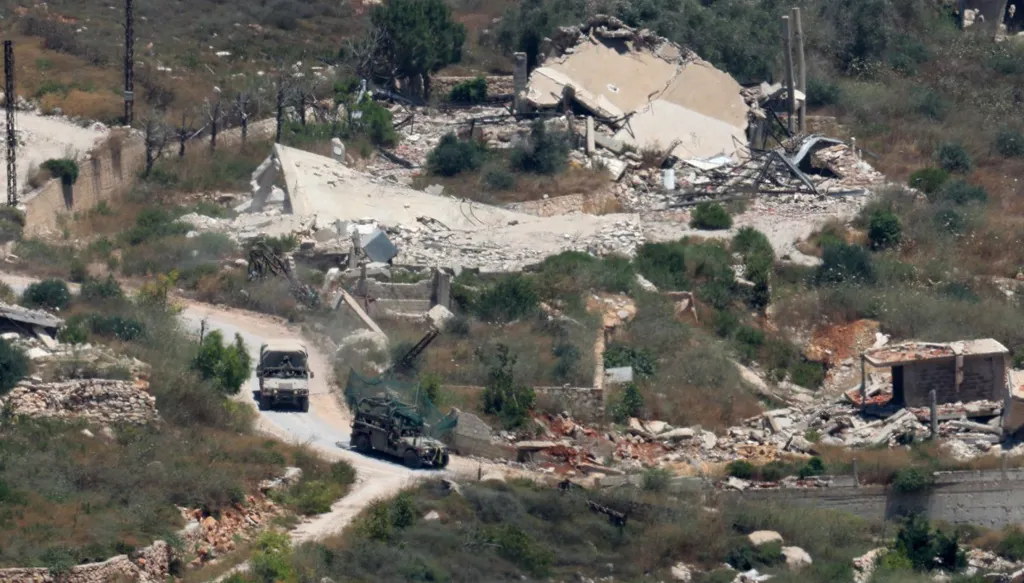




Before heading to Rome, Lebanon is waiting for the outcome of the visit by the US military delegation to ensure the implementation of what was agreed upon in the framework agreement. It is worth noting that the Lebanese delegation, headed by Ambassador Simon Karam, would be in a difficult position if no practical steps are taken to mark the beginning of an Israeli withdrawal from southern Lebanon. During the Washington negotiation rounds, the Israeli delegation strongly opposed the use or inclusion of the phrase "withdrawal" in the agreement and insisted on replacing it with the term "redeployment."
As for the agreement itself, officials within the Presidency are working to clarify its details for those who remain skeptical, although they acknowledge that such efforts are unlikely to persuade its opponents, particularly Hezbollah and the Amal Movement. Supporters of the agreement have also criticized former Progressive Socialist Party leader Walid Jumblatt, who not only voiced reservations about the deal but argued that it offers Lebanon no real opportunity to secure an Israeli withdrawal from southern Lebanon. It is worth noting that there is no coordination or communication between the Progressive Socialist Party and Hezbollah.
Those who share Jumblatt's position, along with a number of political figures including former Prime Minister Fouad Siniora, argue that they have yet to see any positive response from Israel regarding the agreement. They point out that Israel continues its military attacks and expansion into areas of southern Lebanon.
At the same time, there are hopes that President Joseph Aoun's visit to the White House and his meeting with President Donald Trump will produce new developments regarding the agreement and lead to increased US pressure on Benjamin Netanyahu ahead of the Knesset elections.
The expectation is that if Netanyahu remains in office as Prime Minister, he will become even more determined to retain the occupied territory in southern Lebanon and impose additional conditions on Lebanon, chief among them the disarmament of Hezbollah.