

French fries: The secrets behind the billion-dollar global industry
From farms and factories to fast food chains and digital delivery platforms, the French fries economy reveals how branding, scale, pricing strategies, and innovation can transform a humble agricultural product into a highly profitable global value chain.



 Messenger
 Whatsapp
 Threads
 Email
Email
 Print
Print
 X
X
 Facebook
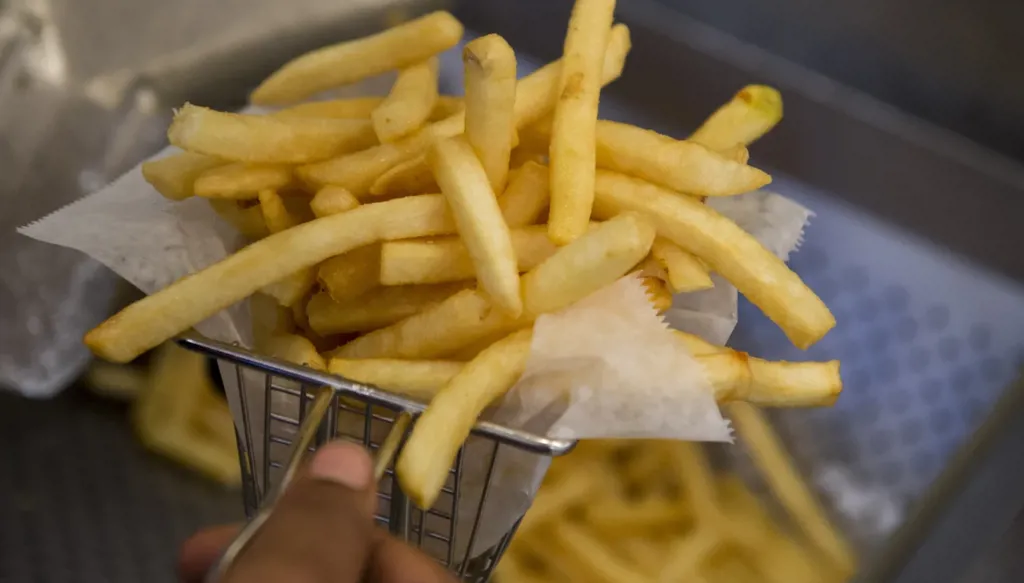


French fries are no longer just a side dish on the margins of a fast food meal. They have become a standalone economic sector, where agriculture, industry, retail, and marketing are interconnected within a global value chain estimated to be worth billions of dollars annually. This seemingly simple product represents a fully integrated economic model that reflects the power of branding, economies of scale, and sophisticated pricing strategies.
Global market estimates indicate that the French fries market is worth more than 17 billion dollars annually, with a growth rate of around 5% expected until the end of the current decade. More than 11 million tons are consumed worldwide each year, with the United States, Europe, and Asia ranking among the largest and most in demand markets. This growth is driven by the spread of fast food culture, the expansion of delivery services, and the evolution of urban consumption patterns.
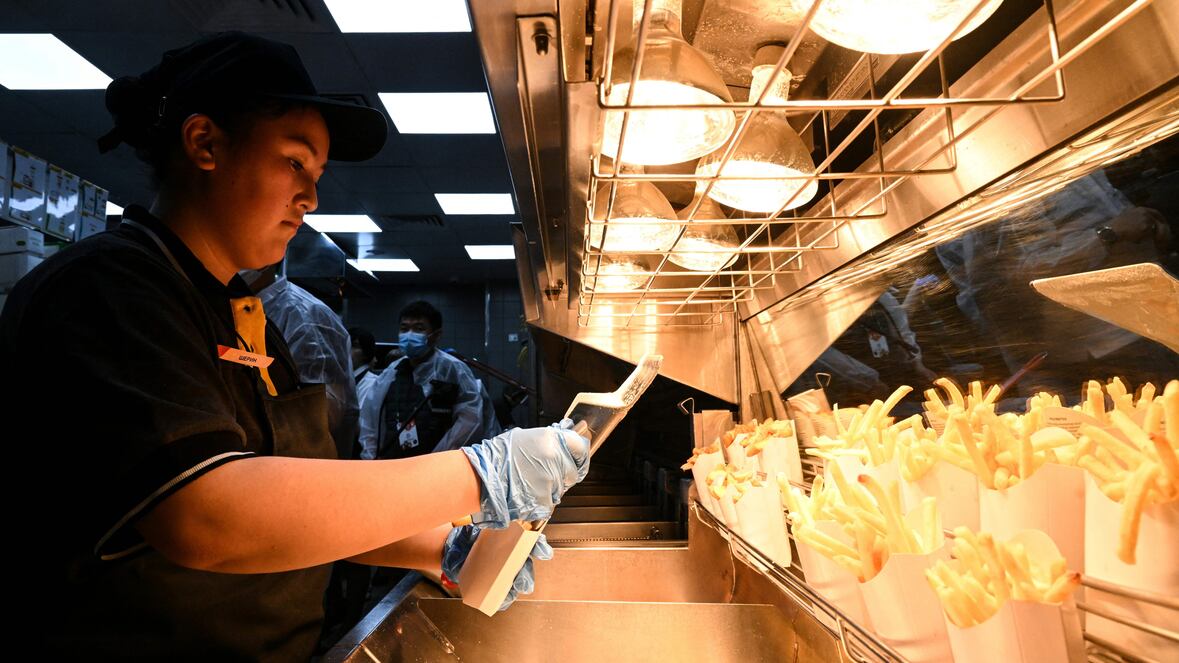
A Multi Layered Value Chain
The French fries economy operates through three main stages: agricultural production, processing, and retail. In the first stage, farmers earn a profit margin ranging between 8% and 12%, while their costs are affected by factors such as climate conditions, water and energy prices, and supply chain fluctuations. The average cost of producing one ton of potatoes ranges between 200 and 350 dollars, making agriculture the least profitable link in the chain.
During the processing stage, profit margins increase to between 15% and 25%, as potatoes are peeled, cut, frozen, and packaged. This sector is dominated by major international companies that possess massive production capacities and benefit from economies of scale. This is where real added value begins to emerge through industrial processing operations and global distribution.
The most profitable stage, however, is retail, particularly in fast food restaurants, where margins can reach between 400% and 600%. A kilogram of potatoes sold from the farm for around half a dollar reaches consumers at a price ranging between 8 and 15 dollars after frying, marketing, and being served as part of a complete consumer experience.
Cost and Profitability Analysis
When analyzing the cost of an average serving of French fries, weighing 150 grams, the cost of raw potatoes represents only a small portion of the final price. The largest share of expenses is linked to energy, oil, labor, rent, and marketing. Nevertheless, the net profit margin remains attractive compared with many other food products.
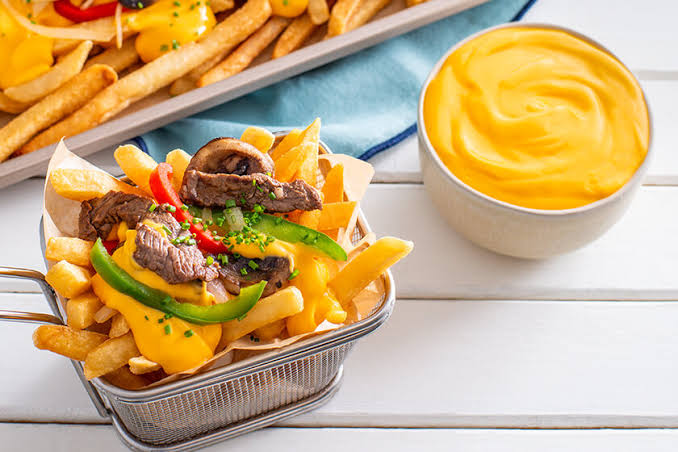
The brilliance of this business model lies in the fact that French fries are often used as a strategic product to drive sales. They increase the average order value and encourage customers to purchase higher margin items such as beverages and additional toppings. Furthermore, the cost difference between a small and a large portion is relatively limited, while the larger size is priced at a significantly higher premium, boosting profitability through what is known as the upselling strategy.
Scale and Brand Power
Major restaurant chains rely on purchasing massive quantities of potatoes every year, which gives them significant bargaining power with suppliers and reduces their per unit costs. This model creates a competitive advantage that is difficult for small businesses to match.
In addition, branding plays a crucial role. Some companies have invested tens of millions of dollars in developing unique recipes or improving frying techniques, helping them build long term customer loyalty. A consistent and predictable taste is a key factor in purchasing decisions and translates directly into billions of dollars in annual sales.
Despite the sector’s strength, it is not immune to challenges. Climate changes in some seasons have caused potato prices to rise by more than 40% in certain markets, while energy crises have increased operating costs, particularly in frying and freezing processes.
On the other hand, health and regulatory pressures are increasing as consumers become more aware of nutrition. This trend has pushed companies to develop lower fat products, adopt air frying technologies, or introduce innovative plant-based alternatives, creating new investment opportunities within the sector itself.
Future Growth Opportunities
Indicators suggest that emerging markets will be the main driver of growth in the coming years, particularly in Asia and Africa, where restaurant chains are expanding rapidly and the purchasing power of the middle class is increasing. In addition, digital transformation and app-based delivery services have boosted demand and created opportunities for more flexible operating models.
Furthermore, the sector is witnessing investments in automation and artificial intelligence to improve production efficiency and reduce labor costs and waste. Sustainability has also become an important competitive factor, whether through reducing water consumption or lowering carbon footprints.
The French fries economy offers a clear lesson in how a simple product can be transformed into a highly profitable global industry. The equation does not depend on product complexity, but rather on management efficiency, effective use of branding, leveraging economies of scale, and developing smart pricing strategies.
This is a real-life example showing that economic value is not created from the raw material alone, but from the way it is grown, processed, marketed, and presented as part of a complete consumer experience.
While potatoes may appear to be just an ordinary agricultural crop, in the business world they represent a fully integrated industry model that generates billions of dollars in annual revenues and proves that even the simplest products can hide behind them the most complex economic equations.