

Summer tourism: How Arab cities are redefining growth and resilience in 2026
Arab tourism in 2026 faces a new reality as cities compete through resilience, diversification, and the ability to turn seasonal visitors into lasting economic value.



 Messenger
 Whatsapp
 Threads
 Email
Email
 Print
Print
 X
X
 Facebook
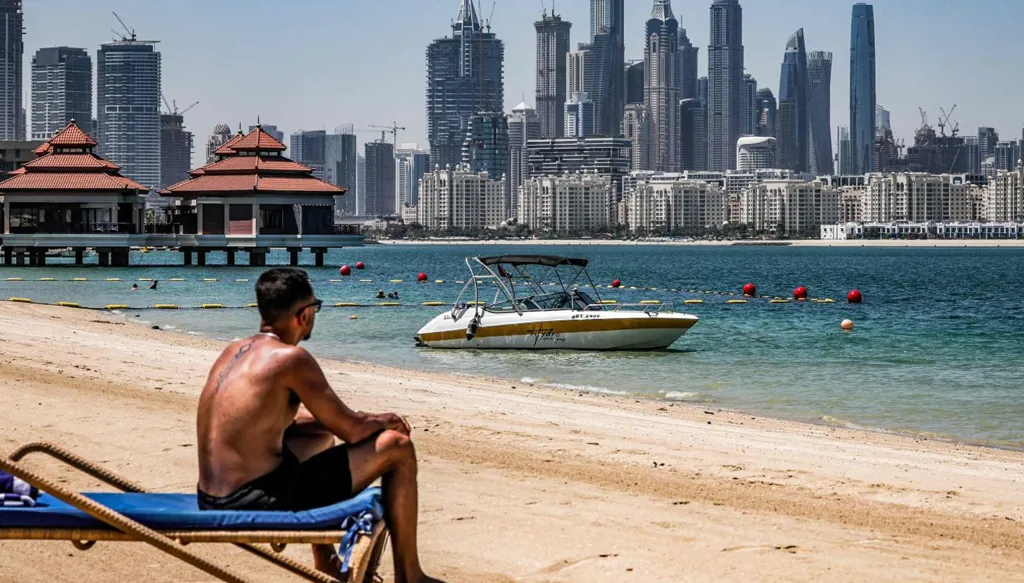


The Arab summer economy in 2026 cannot be understood separately from the global landscape. International tourism continued to grow in the first quarter of the year by two percent, with around 307 million international tourists travelling.
However, the Middle East crisis reduced expectations and affected traveller confidence and air traffic. In contrast, the Arab region recorded a sharp decline in arrivals, making competition between cities dependent not only on the beauty of the destination, but also on their ability to provide stable air connectivity, a comprehensive experience, and reasonable prices.
Tourism is becoming a driver of the urban economy
Arab cities are no longer competing solely based on the number of beaches or archaeological sites they offer. They are now competing on their ability to turn visitors into part of a broader economic cycle that includes airports, hotels, restaurants, shopping centres, festivals, and sporting or cultural events, generating jobs and injecting money into the local economy. The importance of summer 2026 increased because it coincided with deep regional instability.
Following the recent war, the International Monetary Fund lowered its growth forecasts for the economies of the Middle East, North Africa, Pakistan, and Afghanistan to around 1.4 percent, warning that the effects of the war were affecting energy, tourism, services, and air transport. However, cities were not impacted equally. Some absorbed the shock thanks to the diversity of their economies, while others appeared more vulnerable to any security or aviation disruption.
The UAE: a model of a diversified tourism economy
Among the countries benefiting from this trend, the United Arab Emirates stands out as it offers a more diversified model. Tourism in the UAE has long extended beyond traditional sectors such as beaches and shopping to include aviation networks, business tourism, exhibitions, conferences, hotels, real estate, and financial services. Abu Dhabi focuses on cultural tourism and business tourism through Saadiyat Island, museums, conference centres, and international events.
Meanwhile, Dubai entered 2026 with clear momentum, receiving around two million international visitors staying at least one night in January alone, an increase of nearly three percent compared with the same month of the previous year. This provided it with a strong demand base before the wave of regional disruptions.
Dubai leads the scene, while Sharjah and Ras Al Khaimah continue to grow
Dubai remains at the heart of the UAE’s tourism model, supported by one of the world’s busiest airports, a strong hospitality and retail market, and a packed calendar of events. During the peak of the escalation, flights through Dubai declined due to airspace closures and route diversions, but the city recovered a significant part of its activity thanks to the resilience of its aviation sector, market diversification, and strong infrastructure.
Meanwhile, Sharjah continues to strengthen its position in cultural and family tourism, while Ras Al Khaimah stands out for its beach and mountain resorts as well as its eco-tourism offerings.
Saudi Arabia: a massive tourism market driven by domestic spending
Saudi Arabia, for its part, is advancing in terms of tourism market size. In the first quarter of 2026, the Kingdom recorded around 37.2 million tourist trips, including 28.9 million domestic trips, while tourism spending reached 82.7 billion Saudi riyals, approximately 22 billion dollars. Riyadh in particular is no longer only an administrative capital, but has also become a city for conferences, events, and entertainment.
These figures reveal that a larger share of spending by Saudis and visitors is now remaining within the Kingdom, with entertainment seasons, festivals, sports tournaments, and cultural events driving growth in the hotel, restaurant, retail, and transport sectors.
Jeddah continues to strengthen its position as a gateway to the Red Sea, benefiting from resorts and tourism marinas. Meanwhile, Mecca and Medina together remain the largest centre for religious tourism in the Islamic world, while AlUla has emerged as a model for luxury cultural tourism and an attraction for high spending visitors.
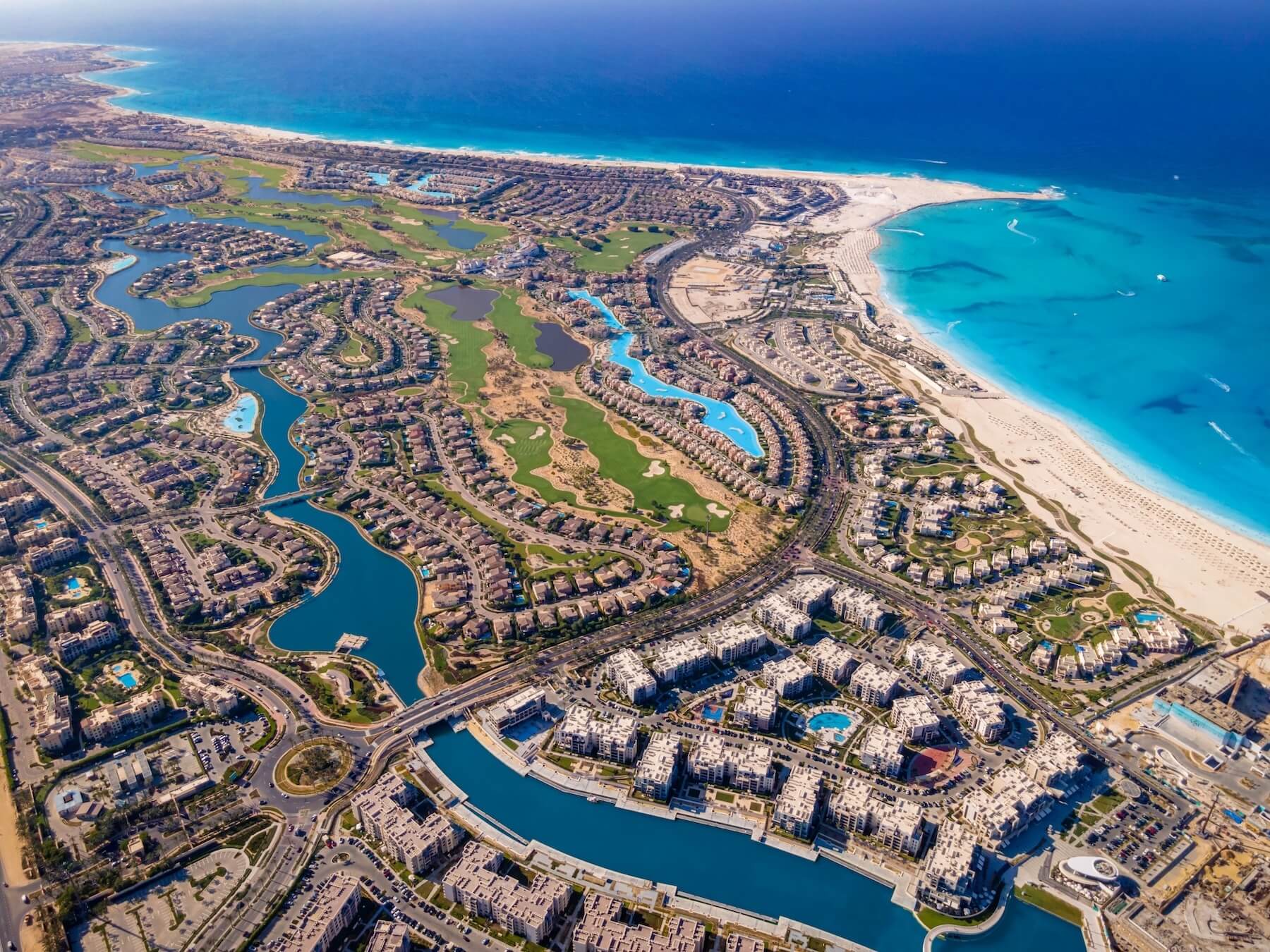
Egypt: The North Coast is transforming into a fully integrated seasonal economy
In Egypt, the summer economy is distributed between Greater Cairo and the North Coast. Tourism revenues reached around 5.1 billion dollars in the first quarter of the current year, alongside an increase in visitor numbers and an improvement in average spending.
The North Coast is no longer just a summer holiday destination, but rather a standalone seasonal economy that includes New Alamein, Sidi Abdel Rahman, and Marassi, with international hotels, yacht marinas, shopping centres, concerts, and sporting events. Meanwhile, the Ras El Hekma project is expected to transform the area into one of the largest tourism and investment hubs on the Mediterranean.
Real estate figures further reinforce this transformation. Sales on the North Coast approached 1.2 trillion Egyptian pounds, around 24 billion dollars, during 2024 and 2025, representing approximately 36 percent of total real estate sales in Egypt. This is gradually transforming the area from a seasonal holiday destination into an investment, residential, and tourism platform.
Cairo and Giza are benefiting from the momentum generated by the Grand Egyptian Museum, while Sharm El Sheikh and Hurghada maintain their positions in Red Sea tourism. Alexandria remains Egypt’s summer capital and a key driver for hotels, restaurants, commerce, and services.
Morocco: Destination diversity supports tourism growth
While Saudi Arabia, the UAE, and Egypt represent the major tourism hubs, Morocco continues to strengthen its position thanks to the diversity of its cities, its proximity to Europe, and its investments in airports, hotels, and infrastructure. The Kingdom welcomed around 4.3 million tourists in the first quarter of 2026, an increase of nearly seven percent. Tourism revenues exceeded 21.4 billion Moroccan dirhams, approximately 2.29 billion dollars, during the first two months of the year, rising by more than 22 percent. This confirms that tourism has become a genuine economic driver.
Marrakech remains the centre of activity, supported by luxury hotels, restaurants, conferences, festivals, and markets. Agadir continues to strengthen its position as a beach resort destination, while Tangier combines tourism with logistics activities. Essaouira and Fez maintain their appeal through their cultural and heritage appeal.
Tunisia: Gradual recovery supported by the return of European tourists
In Tunisia, summer remains the backbone of the tourism sector, with indicators pointing to a relative improvement in revenues and activity during the first half of 2026, driven by the return of European tourists and an increase in visitors from Algeria and Libya.
Hammamet, Sousse, and Djerba are leading activity through their eastern coast resorts, while Monastir and Tabarka are seeking to expand their market share through marine, sports, and family tourism, reducing dependence on a single market or season.
Qatar: Business tourism resilience amid aviation disruptions
Qatar entered the summer of 2026 under exceptional circumstances. It welcomed around 1.13 million visitors in the first quarter, but disruptions to air navigation affected travel during the peak of the military escalation.
Nevertheless, Doha maintained its presence in business tourism, conferences, and sports through Lusail, Katara, and Msheireb. However, the full return of momentum remains dependent on the regularity of air travel, which is the backbone of Qatar’s tourism model.
Oman and Jordan: Seasonal opportunities and regional challenges
In Oman, Salalah offers a different model. While temperatures rise across most of the region, the Khareef season in Dhofar transforms the Sultanate into a green destination attracting hundreds of thousands of Gulf visitors, boosting hotels, restaurants, markets, and transport services.
Data from the Dhofar Khareef season highlight the scale of this opportunity. In 2025, visitor numbers exceeded one million, with estimated spending reaching around 125 million Omani riyals, approximately 325 million dollars, distributed across accommodation, restaurants, travel tickets, shopping, and entertainment.
As for Jordan, tourism revenues declined by 10.4 percent in the first four months of 2026 to around 2.17 billion dollars, affected by regional tensions. Nevertheless, Petra, Wadi Rum, Aqaba, and the Jerash Festival remain major cultural, natural, and economic attractions during the peak summer season.
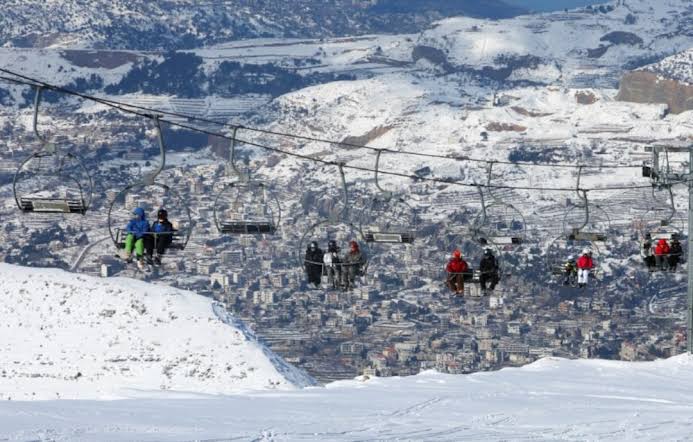
Lebanon: A season determined by confidence above all else
Lebanon remains a special case, as its tourism season depends above all on confidence. The country has attractive natural landscapes, cities, cuisine, culture, and nightlife, but the success of the season also depends on stable air connectivity and expatriates’ decisions to return.
Beirut remains the heart of the season, with its hotels, restaurants, and entertainment offerings. Meanwhile, Byblos and Batroun stand out along the coast, Tyre and Sidon maintain their maritime appeal, and Zahle, Aley, and Bhamdoun attract visitors seeking the cooler mountain climate.
In Lebanon, a single political or security development can change the mood of the season. Any improvement boosts flight bookings and hotel occupancy, while any tension leads to cancellations, making tourism one of the sectors most closely tied to regional fluctuations.
Three models of the Arab summer economy
The map of Arab summer tourism can therefore be understood through three categories:
First, cities that benefit from diversified aviation networks, hotels, events, business tourism, and international appeal, such as Abu Dhabi, Dubai, and Marrakech.
Second, cities that benefit from a massive domestic market, such as Riyadh, Jeddah, and Egypt’s North Coast.
Third, cities that are more vulnerable because they rely heavily on air connectivity and security confidence, such as Doha, Amman, and Beirut.
Salalah stands apart with its rare climatic advantage.
The impact does not stop at hotels and travel companies. Every visitor generates spending that begins with an airline ticket and taxi ride, continues through restaurants, shops, events, and booking platforms, and benefits both small businesses and major companies.
The experience of 2026 confirms that cities that invested in airports, infrastructure, hospitality, and international events maintained their attractiveness despite regional disruptions. Meanwhile, cities that relied solely on natural attractions or political stability appeared more vulnerable to shocks.
Ultimately, the Arab summer economy is no longer measured only by the number of tourists, but by the spending they generate, the investments they attract, and the ability of cities to transform a short season into an impact that lasts throughout the year.
In this competition, attracting visitors alone is not enough. The goal is to build more diverse and resilient urban economies capable of adapting and competing in a rapidly changing region.
Discover more about the summer dossier and related stories: