

Syria Tourism Rebounds in 2025-2026 with Growing Visitor Numbers



 Messenger
 Whatsapp
 Threads
 Email
Email
 Print
Print
 X
X
 Facebook
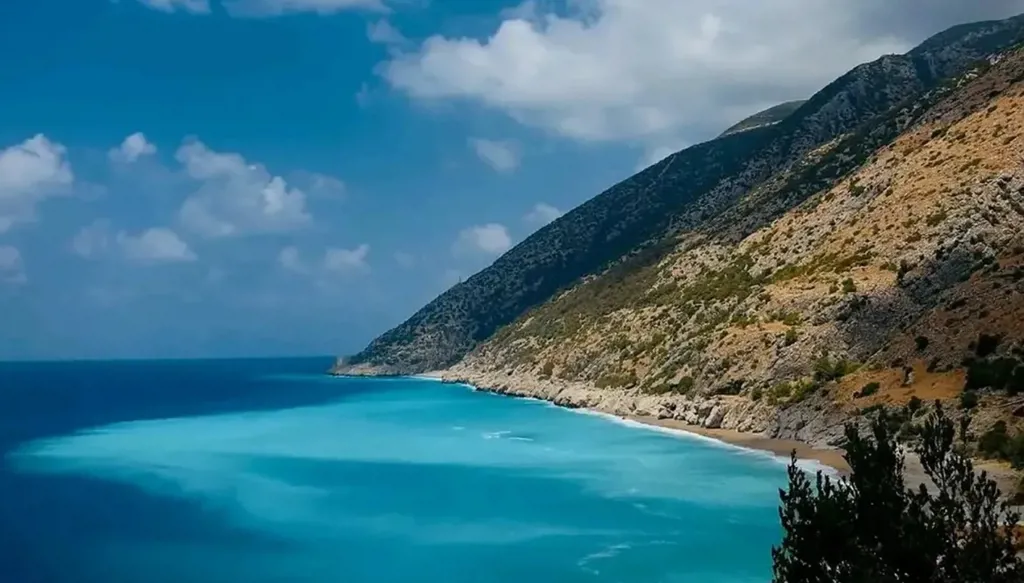


After years of decline caused by war and economic challenges, tourism in Syria is showing signs of regaining part of its activity, with an increase in the number of Arab and foreign visitors and the revival of several tourist destinations during 2025 and 2026.
The latest data reveals noticeable growth in tourist numbers, coinciding with a gradual improvement in the performance of tourism facilities and the reopening of several destinations to visitors, from the resorts of Rural Damascus to the beaches of the Syrian coast. However, this recovery comes with key challenges, most notably the need to develop infrastructure, enhance service readiness, and attract investments capable of meeting growing demand.
Amid figures reflecting renewed interest in the Syrian destination and scenes of visitors rediscovering its cities and natural landscapes, tourism appears to be entering a new phase that requires transforming this momentum into sustainable growth capable of restoring the sector’s economic role.
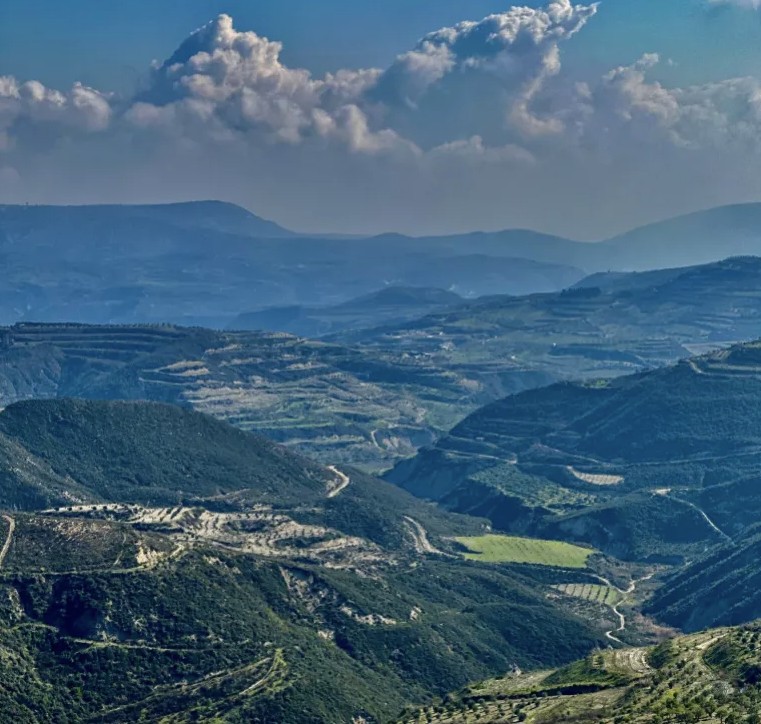
Syrian Tourism Rebounds with Numbers
Data shows that the number of Arab tourists increased by 99% compared to the previous year, while the number of foreign tourists recorded a 126% increase, reflecting growing confidence in the Syrian tourist destination and renewed interest in its attractions, alongside rising demand for hospitality, accommodation, and hotel services.
This momentum continued beyond 2025, as preliminary indicators for the first half of 2026 point to a sustained upward trend in tourism activity, with total numbers of Syrian, Arab, and foreign visitors increasing by more than 100% compared to the same period last year.
These figures reflect accelerating demand for the Syrian tourist destination amid expanding tourism activity and growing interest in various destinations. This growth places new requirements on the sector, particularly expanding tourism and hotel capacity, improving the readiness of hospitality services, and developing supply chains and supporting services in line with the current recovery phase and to strengthen the sector’s ability to accommodate the expected rise in visitor numbers in the coming period.
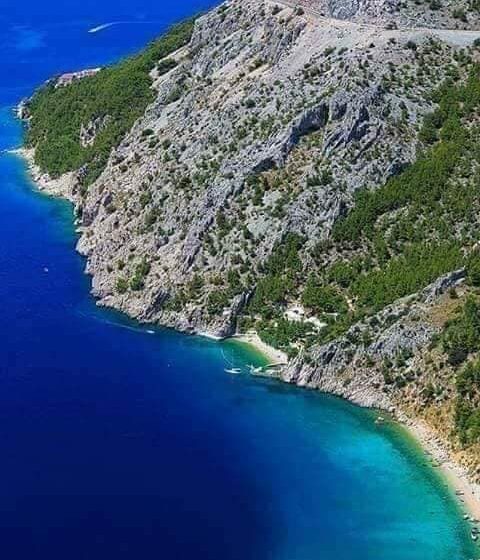
From Rural Damascus to Resorts... Destinations Returning to the Tourism Map
In Rural Damascus, Director of Rural Damascus Tourism Mohammed Al-Qasim confirms that the tourism sector has gradually begun to regain activity after years of direct impact. The province’s tourism movement had come to an almost complete halt, with damage affecting tourism facilities and infrastructure, while many establishments were forced out of service due to security and economic conditions.
Al-Qasim explains that signs of recovery have started to emerge with the improvement of security conditions and the reopening of several tourism establishments to welcome visitors, whether through domestic tourism or the gradual return of Arab visitors and Syrian expatriates. He notes a growing attraction to tourist destinations, particularly during official holidays and weekends.
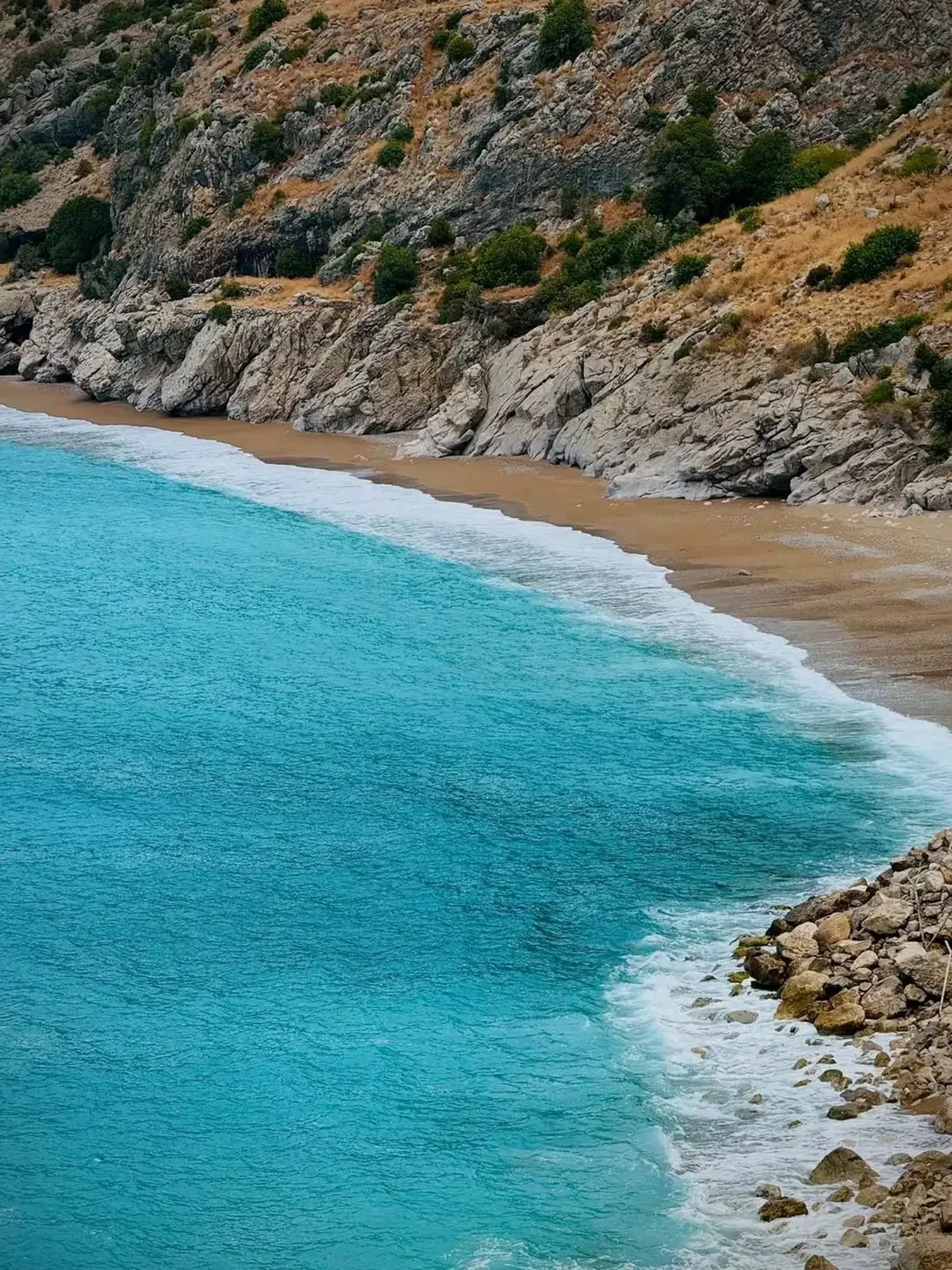
He highlights that Rural Damascus possesses diverse tourism assets, ranging from natural areas such as Beit Jen and Beit Tema to the resorts of Bloudan and Zabadani, which are known for their stunning landscapes, mild climate, and proximity to the capital Damascus. The region also includes religious and cultural destinations, especially Saidnaya and Maaloula, which are witnessing an increase in visitor numbers.
He adds that the directorate is currently working on rehabilitating infrastructure, encouraging tourism investments, improving the quality of services in tourism establishments, and supporting damaged and out-of-service facilities to help them resume operations and contribute to the sector’s recovery.
The continued growth shows that the tourism sector is experiencing a rapid recovery phase, driven by increased demand and improved performance indicators. This opens opportunities for further investment in tourism infrastructure and strengthens tourism’s role as an economic sector capable of supporting growth, creating job opportunities, and stimulating economic activity across various regions.
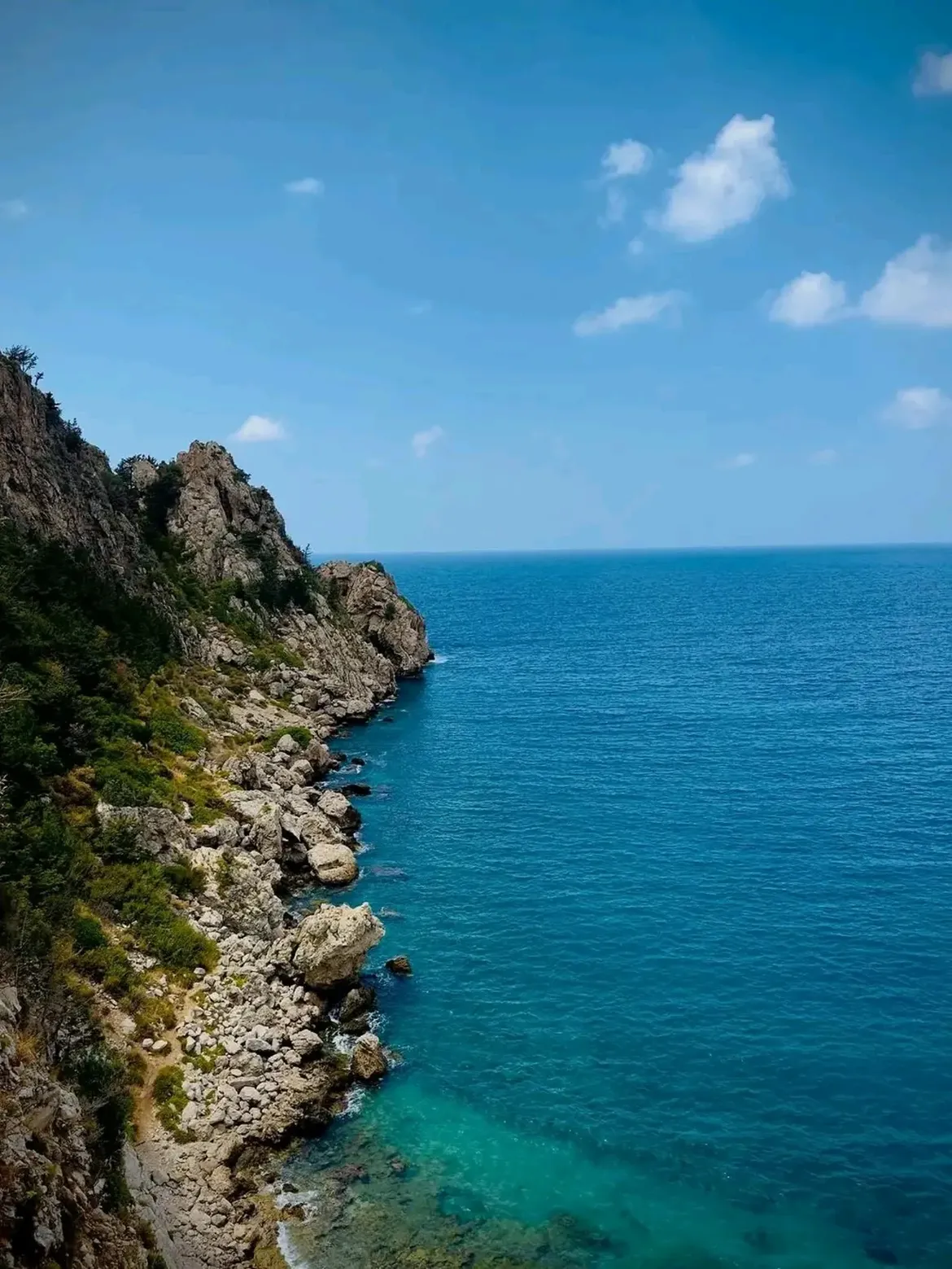
The Syrian Coast Returns to Life with Visitor Returns
On the Syrian coast, Blue Beach Resort Director Iyad Jadid says that restoring coastal tourism requires coordinated efforts among various stakeholders. He praised the role of tourism police in organizing beaches and dealing with visitors in a civilized manner that reflects the quality of tourism services.
Jadid believes that reviving Syrian beaches requires cooperation between municipalities, local administrations, and all concerned parties through the restructuring and organization of public beaches, maintaining cleanliness, and enhancing their overall appearance in a way that reflects Syria’s true image and reinforces its position as a distinguished tourist destination.
The resort management has also reviewed entrance fees for swimming facilities to suit different social groups, taking into account citizens’ living conditions and economic circumstances. At the same time, it continues to develop resort facilities and improve service levels, strengthening its position as a destination attracting domestic tourists alongside Arab and foreign visitors.
From his perspective, General Manager of Golden Beach Hotel and Resort in Latakia Jihad Al-Shayeb confirms that the tourism sector in Latakia is witnessing a notable recovery, driven by the return of confidence among Arab and Syrian visitors, improved service standards, and greater tourism openness that has attracted visitors from Jordan, Lebanon, Gulf countries, as well as significant domestic tourism.
Al-Shayeb notes that indicators reflect this recovery, with occupancy rates expected to reach around 90% during the third quarter of the year, compared to 50% during the same period last year, alongside a noticeable increase in demand for tourism facilities and services.
This growth brings new challenges, most notably the limited capacity of hotel facilities and the shortage of qualified workers. Al-Shayeb views these challenges as opportunities to strengthen tourism investments, expand hotel facilities, and develop training and qualification programs.
The return of activity to Latakia’s beaches and the growing presence of families and visitors at resorts represent the clearest indicators of the sector’s recovery. This reflects optimism about the future of tourism in the province while encouraging visitors to discover the Syrian tourist destination and investors to benefit from the promising opportunities the sector provides.
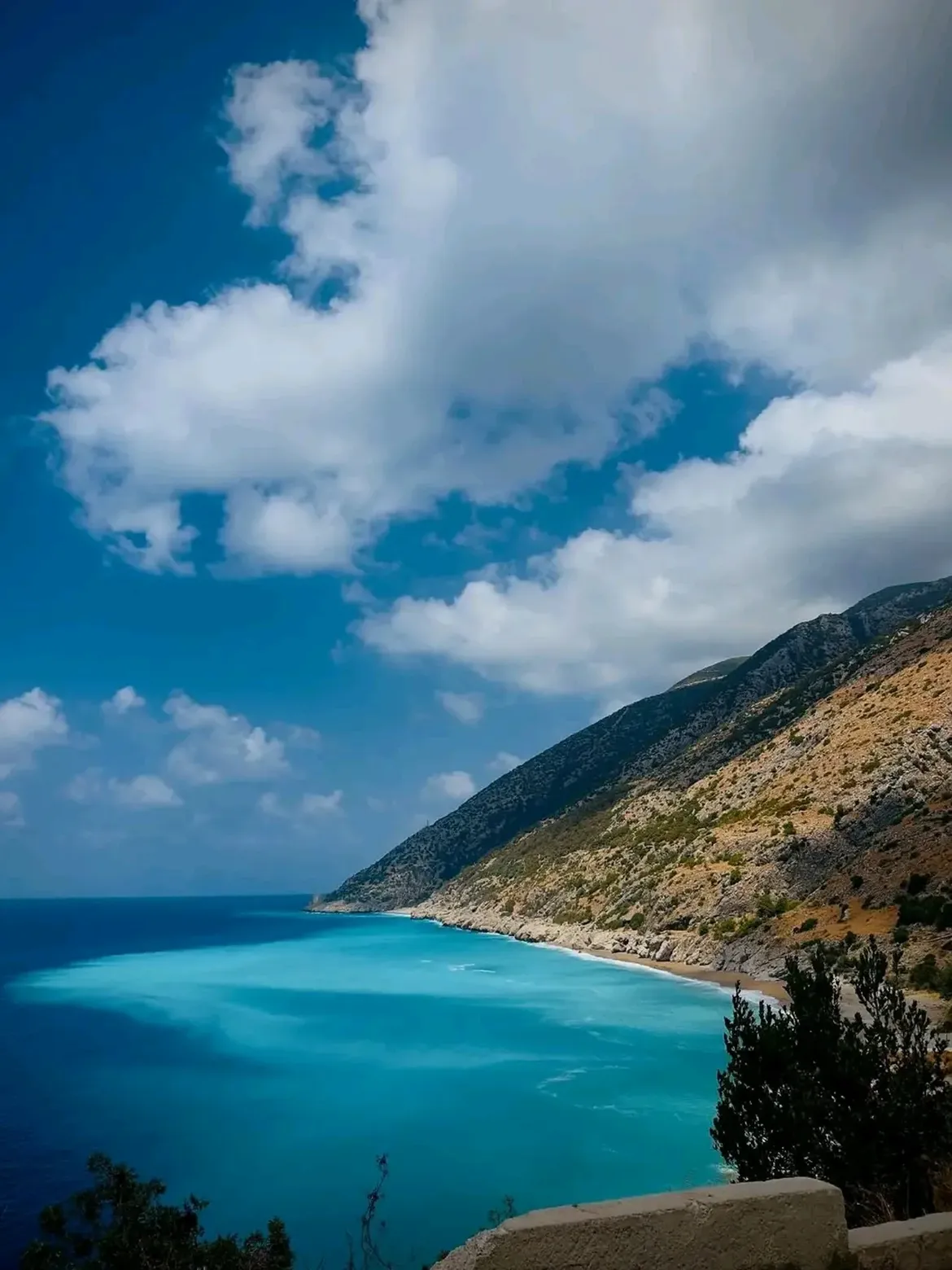
Return of Tourists... The Picture Confirmed by Numbers
Reflecting this recovery on the ground, Spanish tourist Rafael Antonio says he chose to spend his annual vacation with his family in Syria, particularly on the Syrian coast. He notes that tourist destinations now offer a variety of recreational activities, including ziplining, adventure experiences, and stays in wooden cabins surrounded by nature that combines mountains, sea, and waterfalls, alongside lively family-friendly atmospheres reflecting the return of activity to resorts. He views these scenes as a sign of Syria’s revival, encouraging tourists and expatriates to choose the country as a holiday destination.
With the continued rise in visitor numbers, growing confidence among tourists, and expanding investments, Syrian tourism appears to have a real opportunity to gradually reclaim its position on the regional tourism map. Amid natural landscapes, religious and cultural sites, and beaches that have regained their vitality, the recovery story is reflected not only in numbers but also in returning visitors, the renewed activity of resorts, and the reopening of establishments that signal the return of life to one of Syria’s most important economic sectors.
Discover more about the summer dossier and related stories:
- Discover Tunisia: Beyond Beaches, Culture & History Await
- Discover How the World Began at Our Doorstep
- South Lebanon’s heritage sites caught between war and closure
- The Ultimate Summer Travel Packing Guide: Everything You Need for a Stress Free Holiday
- Summer tourism: How Arab cities are redefining growth and resilience in 2026