

South Lebanon’s heritage sites caught between war and closure
From religious shrines and ancient caves to beaches and archaeological landmarks, the ongoing consequences of the war have cut people off from some of the South’s most cherished sites, while others struggle to attract visitors amid continuing restrictions.




 Messenger
 Whatsapp
 Threads
 Email
Email
 Print
Print
 X
X
 Facebook
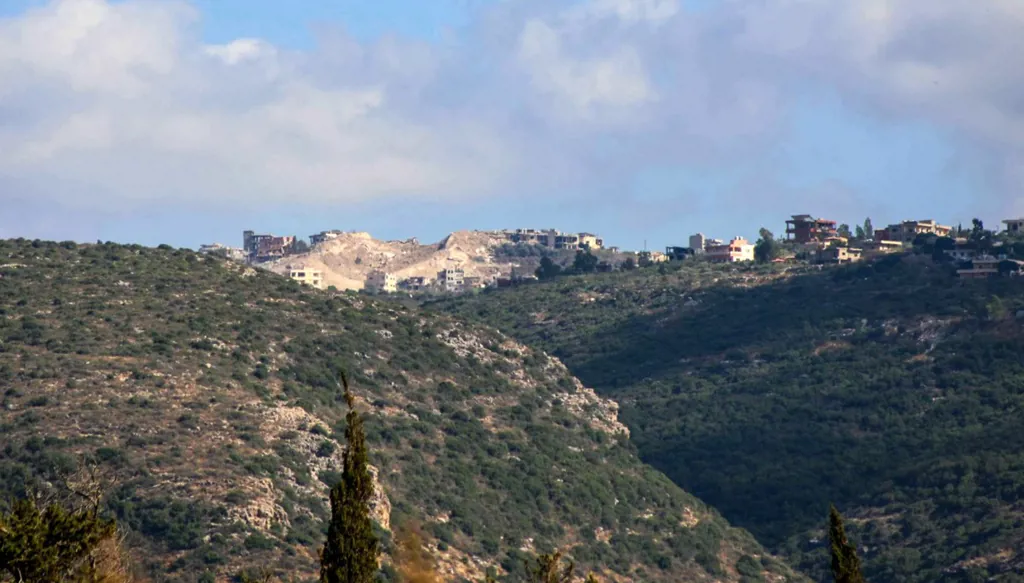


Entering South Lebanon doesn't just lead us to towns and houses, as there are landmarks, religious sites, and caves in all regions of the south visited from all over Lebanon, especially in the summer. However, the recent war, whose repercussions have not yet ended, has deprived Southerners, Lebanese, and even foreign tourists from visiting some of them, either due to their destruction or due to the ongoing Israeli invasion.
Since the summer of 2024, access has been prohibited to anyone approaching the Wazzani River, which for years served as a recreational outlet for people along the southern border. The war also led, last April, to the destruction of Maqam Shamoun Al Safa, located on a hill in the town of Shamaa overlooking the historic city of Tyre. The town’s residents had restored the maqam after it was destroyed during the 2024 war. The maqam, traditionally known as the shrine of Simon Peter, dates back to the early centuries of Christianity, around 1,200 years ago.
Places that people no longer visit as they did before the invasion
In addition to the tourist and archaeological sites that have become impossible to access, there are locations that have preserved their condition and remain accessible to visitors. However, since the beginning of the war, they have witnessed only limited visits from Lebanese people from areas outside the South.
The most prominent of these are the beach of the city of Tyre, where tents were set up last week, and the city’s archaeological sites, including the Al Bass archaeological site, which contains Roman tombs, and the archaeological site in the market area. The latter was damaged by shrapnel from a nearby airstrike, which also caused the removal of the capital from a column that is thousands of years old. Other sites include the Qasmiyeh River, Maqam Nabi Sajed in the town of Sajed, the Rihan Cave, and the waterfalls of the city of Jezzine.
Alongside all the above, vital sectors across the South that had previously been a source of income and summer activity have been severely affected. The most notable among them are guesthouses and chalets, as well as traditional weekly markets, particularly in Bint Jbeil, Nabatieh, and many border villages.
Discover more about the summer dossier and related stories: