

Lebanon balances ties with Cyprus, Turkey and Iran amid regional shifts
Beirut seeks to strengthen international support, advance diplomatic engagement and manage relations with neighboring and regional powers as it navigates political and security challenges.



 Messenger
 Whatsapp
 Threads
 Email
Email
 Print
Print
 X
X
 Facebook
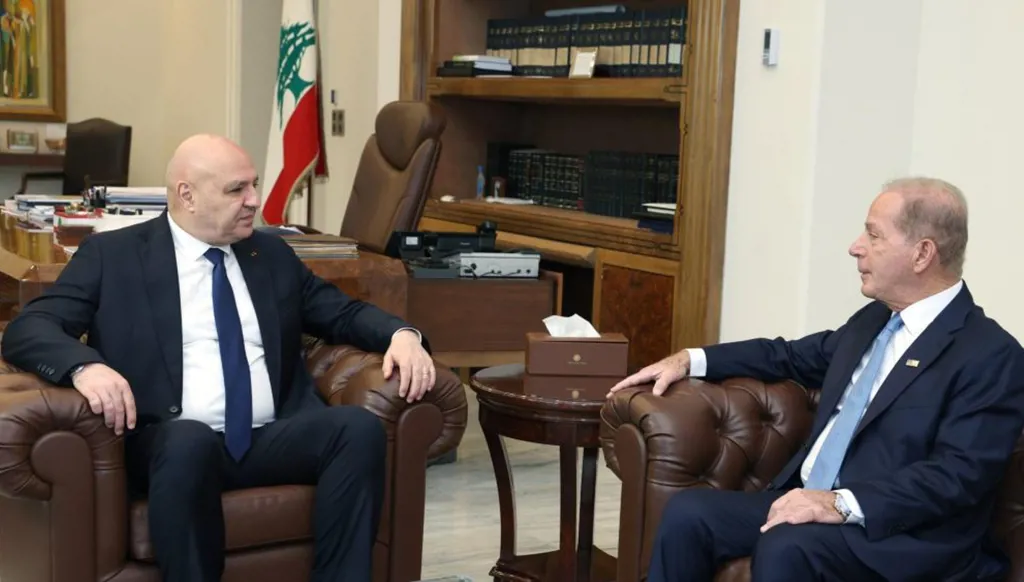


Despite the latest military developments on the United States and Iran front, and while Lebanon was seeking some indication that Israel accepted the framework agreement and was genuinely prepared to begin implementing its provisions as a condition for participating in the next round of negotiations in Rome, US Ambassador Michel Issa informed officials on the sidelines of his visit to Baabda Palace, while reaffirming the US invitation for President Joseph Aoun to visit Washington, that a US military delegation would arrive in Beirut within days to coordinate and establish the mechanism for implementing the framework agreement on the ground.
This is considered necessary to prevent any security vacuum when Israeli forces withdraw from the areas designated as pilot zones. Based on the outcome of the coordination meetings, the date for the start of implementation on the ground will then be determined.
Ambassador Issa also confirmed that the talks in Rome, which were moved there for technical reasons, are intended to continue the discussions and understandings reached in Washington. He indicated that several meetings would be held in the Italian capital or elsewhere to oversee implementation in accordance with the phases that will be agreed upon.
Cyprus and Turkey

Iranian Delegation to Beirut soon?
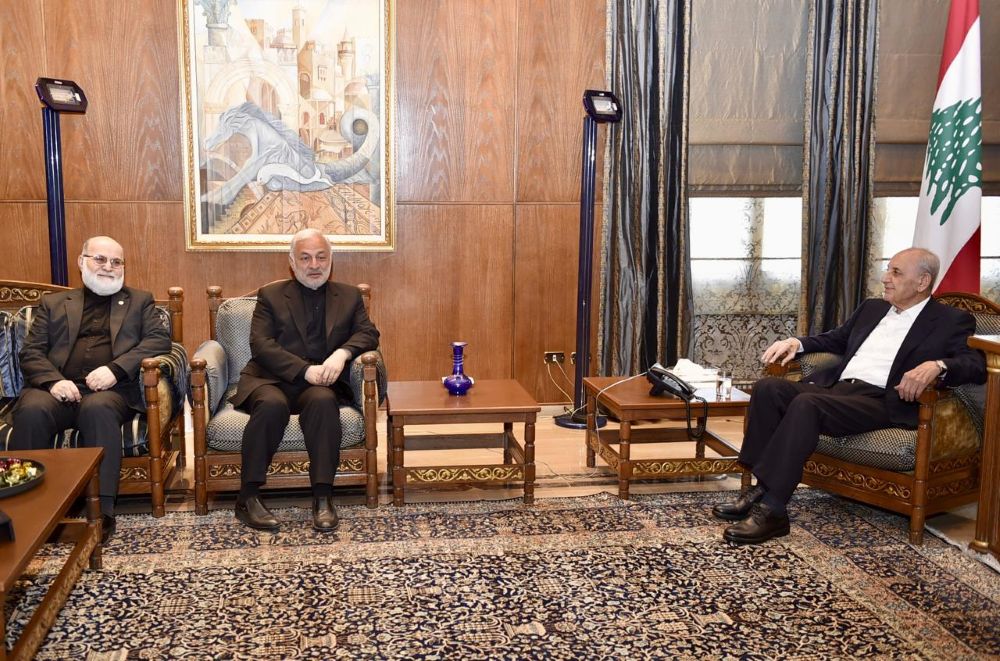
Meanwhile, following reports of a possible visit by Iranian Foreign Minister Abbas Araghchi to Beirut, with no date set amid a cool official response to the proposal, Tehran appeared determined to maintain its diplomatic engagement with Lebanon. It dispatched Deputy Foreign Minister Vahid Jalalzadeh to meet with several Lebanese officials, foremost among them Parliament Speaker Nabih Berri and Deputy Prime Minister Tarek Mitri.
The composition of the Iranian delegation took into account the Lebanese government's position by excluding Mohammad Reza Sheibani, whom Iran had designated as its ambassador to Beirut but whose accreditation has not been officially accepted by Lebanon. Instead, the meetings were attended by the Chargé d'Affaires of the Iranian Embassy, Toufic Samadi.
The discussions covered developments in Lebanon and the wider region, as well as bilateral relations between the two countries. Jalalzadeh also conveyed an oral message to Speaker Berri from Iranian President Masoud Pezeshkian and Foreign Minister Abbas Araghchi reaffirming the Islamic Republic of Iran's commitment to standing by Lebanon.