

Morocco’s World Cup 2030 push: Turning global ambition into economic transformation
From stadiums and infrastructure to tourism and investment campaigns, Morocco is leveraging the tournament to reshape its economy and strengthen its position as a regional hub.



 Messenger
 Whatsapp
 Threads
 Email
Email
 Print
Print
 X
X
 Facebook
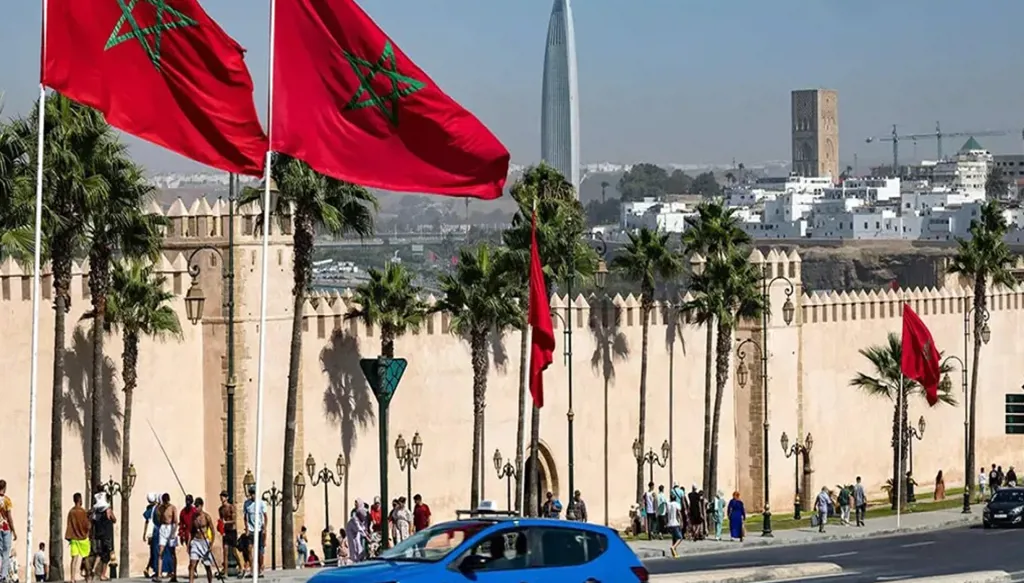


Morocco’s preparations to host the 2030 FIFA World Cup have contributed to bringing about a tangible transformation in the structure of the economy, extending beyond stadium construction to the reshaping of infrastructure, transport, tourism, and investment. This shift reflects a move towards a development model increasingly linked to major projects with an international dimension.
Alongside this investment momentum, the role of advertising and promotional campaigns is growing as a tool to reintroduce the Kingdom as an emerging economic power that connects Europe and Africa, and as an attractive destination for investment and tourism on a global scale. This raises questions about the ability of this interaction between investment and promotion to turn the current momentum into sustainable growth that extends beyond the sporting event.
Major investments
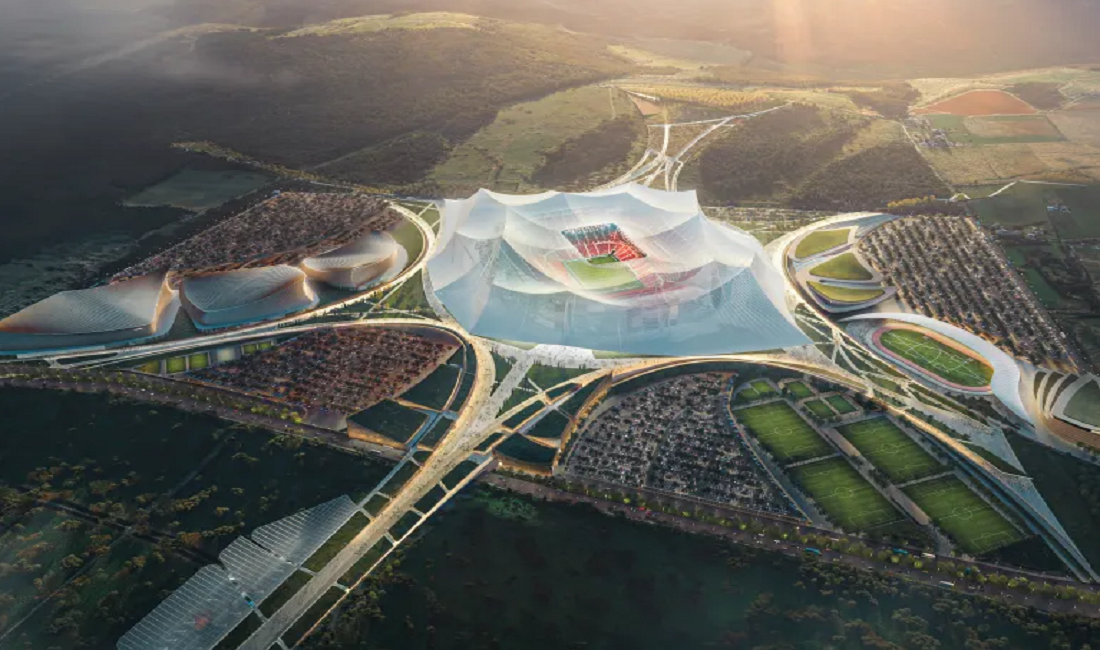
To achieve this objective, the Moroccan government is implementing one of the largest investment programs in its history, allocating around 19 billion dirhams to develop roads and improve connectivity with stadiums and sports infrastructure, most notably the Grand Casablanca Stadium in Benslimane.
This approach is gaining further momentum as the scope of projects expands. Estimates indicate that the cost of Morocco’s 2030 World Cup projects could reach around 20 billion dollars, equivalent to nearly 12% of GDP. According to Fitch Ratings, around 70% of these projects are expected to be financed through local bank loans, highlighting the scale of the financing challenges accompanying this investment expansion.
This momentum also extends to the development of the transport network, through a plan to expand highways by 40%, adding 763 kilometres, alongside a 14-billion-dollar investment program to modernize airports and railways, according to Transport and Logistics Minister Abdessamad Kayouh. These efforts aim to strengthen Morocco’s position as a regional logistics hub.
This is complemented by plans to double airport capacity from 40 million to 80 million passengers by the end of the current decade and to expand the high-speed rail network “Al Boraq”. These measures support the growth of the tourism sector, which attracted around 20 million tourists in 2025, recording 14% growth and contributing approximately 7% of GDP. They also enhance Morocco’s chances of achieving its target of attracting 26 million tourists before 2030, supported by investments exceeding 8.1 billion dirhams.
Commenting on these transformations, Moroccan economic expert Ali El Ghanbouri told Annahar that Morocco is witnessing an accelerated pace of economic transformation driven by a surge in investment. He noted that infrastructure programs worth more than 90 billion dirhams were launched in a single year, covering roads, airports, and railways, reflecting a shift towards a model based on major projects linked to international ambitions.
.jpeg)