Why U.S.-Iran talks collapsed: Hormuz, nuclear disputes and the return to military escalation
From the negotiation table to the battlefield, deep divisions over Iran’s nuclear program, missiles and the Strait of Hormuz shattered the fragile agreement.



 Messenger
 Whatsapp
 Threads
 Email
Email
 Print
Print
 X
X
 Facebook
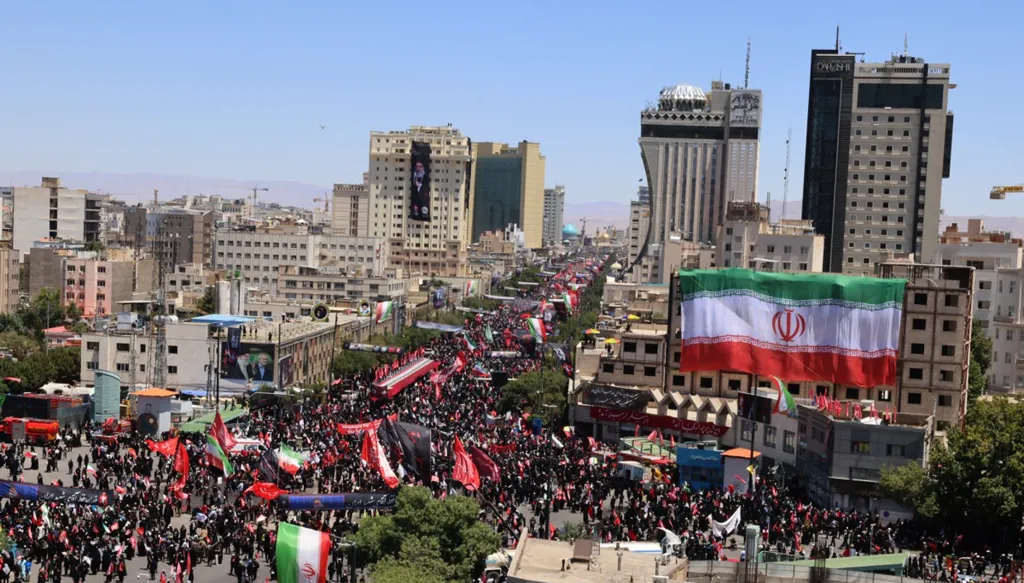


The American President Donald Trump surprised the world during the NATO summit in Turkey by ending the memorandum of understanding with Iran, along with the ceasefire agreement, paving the way for the resumption of U.S. attacks on Iran.
Why Did the Negotiations Collapse?
The collapse of the U.S.-Iranian negotiations was not the result of a single incident, but rather the accumulation of political and security disagreements, coupled with a deep lack of trust between the two sides. According to reports, these factors eventually pushed the confrontation away from the negotiation table and back onto the battlefield.
The dispute revolved around several key issues, the first being the management of the Strait of Hormuz and Iranian attacks on ships passing through the strategic maritime route. The military escalation further deepened the crisis, with the United States accusing Iran of violating the understandings and targeting commercial vessels in the Strait of Hormuz, viewing such actions as a threat to the security of international navigation.
In recent days and weeks, Iran attacked several ships navigating through the strait, citing the vessels’ failure to comply with Iranian navigation instructions as the reason behind the attacks. The United States, however, rejected any restrictions imposed by Iran on maritime movement in Hormuz.
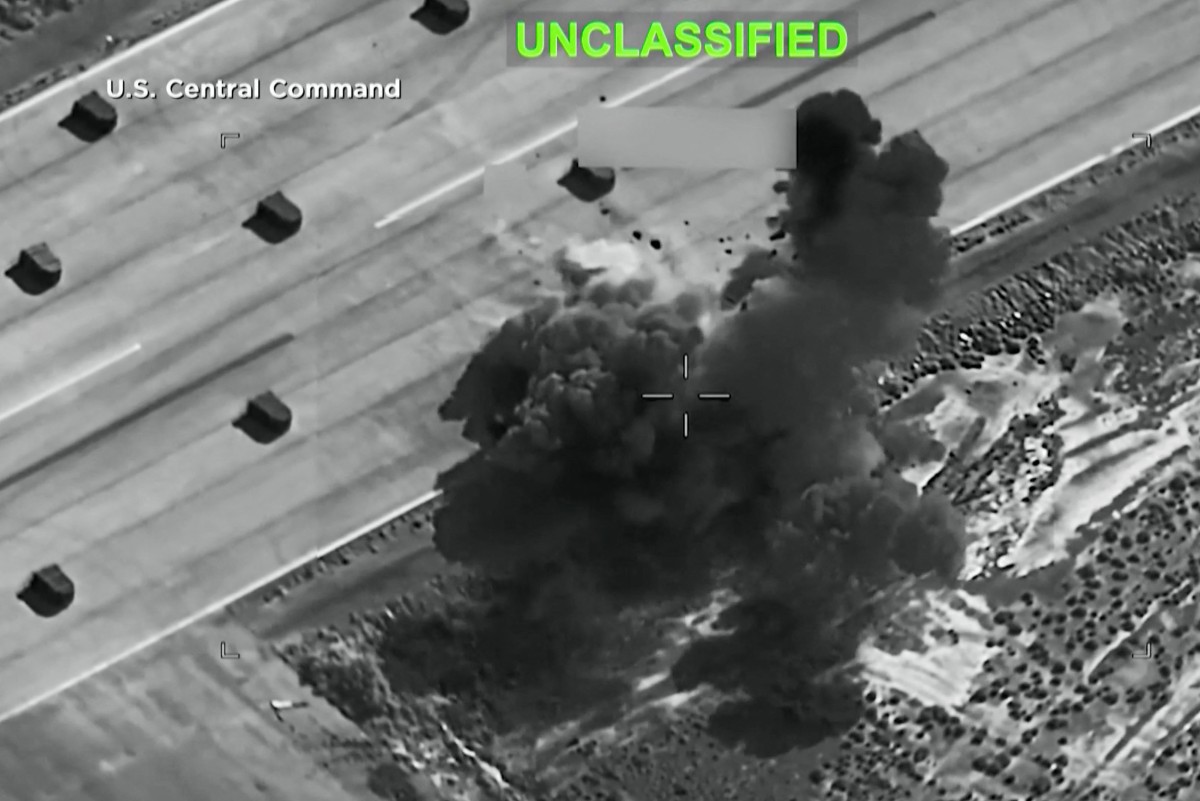
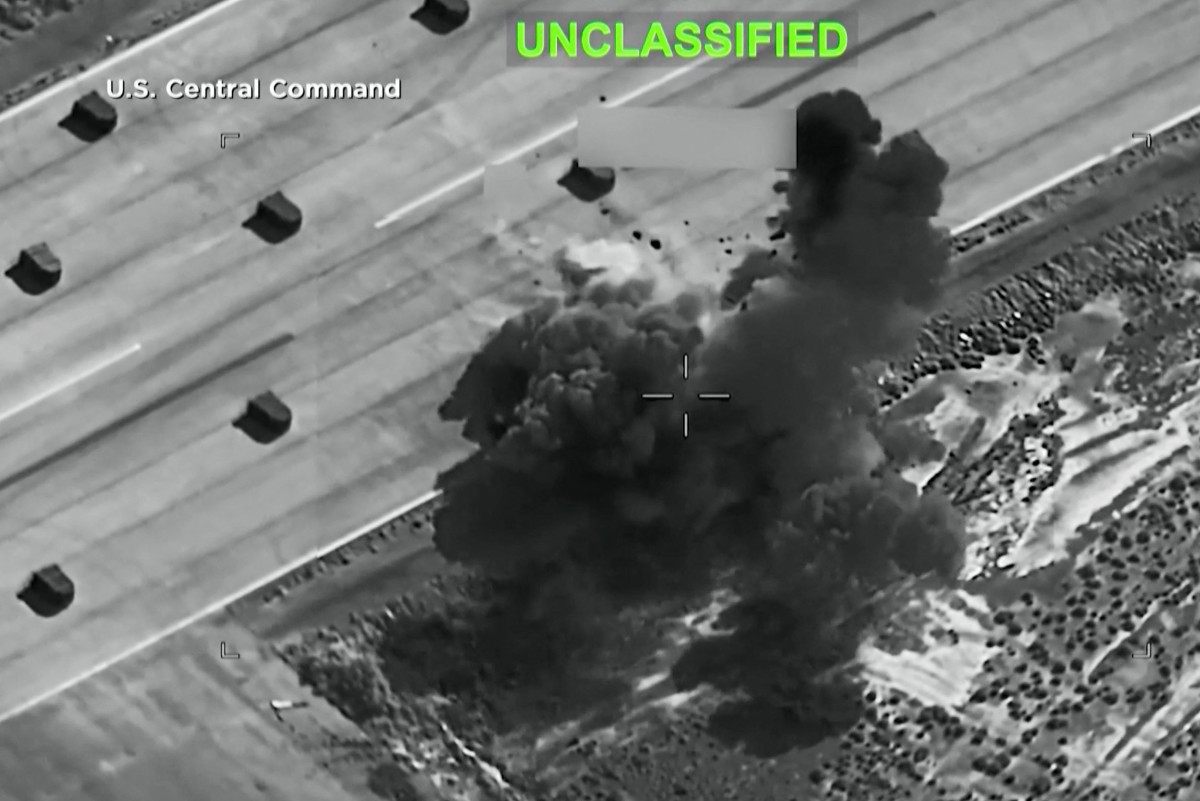
Following the recent Iranian attacks on ships, Washington responded with strikes targeting Iranian sites and facilities. Tehran, in return, considered the American strikes a violation of the understandings and international law, threatening to reconsider its commitments under the Non-Proliferation Treaty and launching strikes targeting American interests and bases in the region.
Nuclear Knot
The Strait of Hormuz was not the only point of contention between the United States and Iran, as the nuclear program remained one of the main obstacles during the negotiation rounds.
Washington insists on imposing strict restrictions on uranium enrichment, arguing that Iran’s continued enrichment activities bring it closer to acquiring the capability to produce a nuclear weapon. Trump has repeatedly stressed that Iran “will not have a nuclear bomb.”
Tehran, meanwhile, continues to defend its right to enrich uranium as a “sovereign right guaranteed by the Non-Proliferation Treaty.” Iran refuses to make concessions without the lifting of sanctions and guarantees that no future U.S. administration would withdraw from any new agreement, especially after Washington’s withdrawal from the nuclear deal in 2018, according to reports.
Iran's Ballistic Tension
The U.S.-Iran negotiations were among the most complex due to the wide range of disputes between the two sides. These unresolved issues ultimately prevented the two parties from reaching an agreement. Among the main points of disagreement was Washington’s push to expand the talks to include Iran’s ballistic missile program and its regional influence. Tehran rejected this approach, considering these issues part of its national security and outside the scope of the nuclear agreement.
Against this backdrop, the negotiation channels collapsed when they confronted a complex reality: Iran’s attempt to impose its control over the Strait of Hormuz and regulate navigation there, while the United States rejected any restrictions on maritime movement and sought to broaden negotiations to include Iran’s ballistic missiles and regional influence.