

UNIFIL withdrawal in 2026: Lebanon faces a new security challenge in the south
As UNIFIL’s mandate nears its end, Beirut faces uncertainty over international oversight, border stability, and the future of southern Lebanon



 Messenger
 Whatsapp
 Threads
 Email
Email
 Print
Print
 X
X
 Facebook
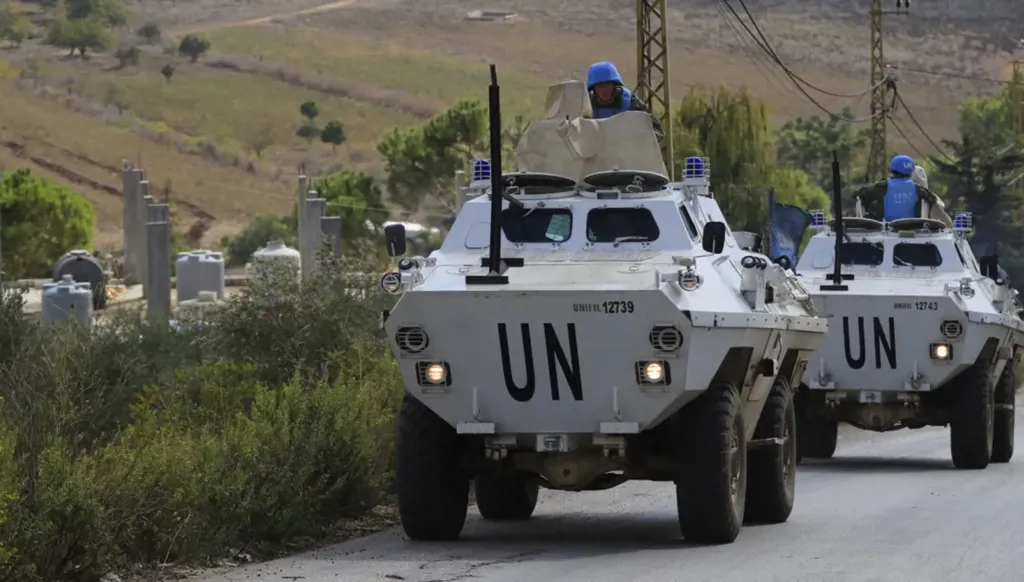


It is true that Lebanon faces many pressing challenges, including the implementation of the framework agreement it signed with Israel, which continues to face numerous obstacles, as well as ambiguities in some of its clauses and the absence of genuine guarantees for satisfactory progress. However, the end of the United Nations Interim Force in Lebanon (UNIFIL)’s mission at the end of 2026 also represents a major challenge, particularly amid Israel’s apparent push to end this presence and this international role, with the aim of handling developments in southern Lebanon without oversight.
In this context, Lebanon faces two key challenges: the first is the renewal of UNIFIL’s mandate, which appears difficult to achieve due to the U.S. veto on extending it. The second is the possibility of deploying an alternative European force, with France offering to be at its core, in an attempt to bypass the American-Israeli opposition to such a move. French presidential envoy Jean-Yves Le Drian had previously told Annahar that such a request must come from Lebanon, as a European force cannot impose itself outside the framework of the United Nations without an official request.
Given this reality, Lebanon bears significant responsibility, and it is striking that no steps have been taken in this direction, as though the authorities are unaware of the consequences of this force’s withdrawal.
UNIFIL serves as a monitoring force between Lebanon and Israel, documenting Israeli violations against Lebanon and acting as a mediator between the Lebanese army and the Israeli army to contain incidents and prevent them from escalating into wider conflicts. Its absence could therefore make crisis management far more difficult.