

Kuwait, Bahrain intercept Iranian missiles as US-Iran conflict widens
Gulf states raise security alerts after US strikes on Iran and Tehran’s vow of retaliation, as Washington warns of further escalation and the Revolutionary Guard threatens a broader response.



 Messenger
 Whatsapp
 Threads
 Email
Email
 Print
Print
 X
X
 Facebook
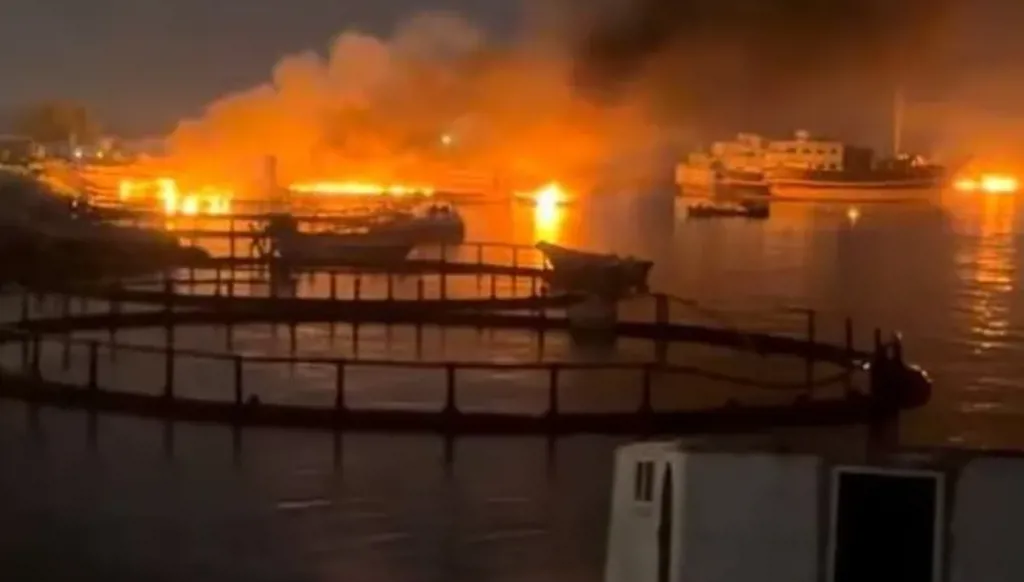


The General Staff of the Kuwaiti Army explained that “any explosion sounds that may be heard are the result of air defense systems intercepting hostile attacks,” urging everyone to “follow the security and safety instructions issued by the relevant authorities.”
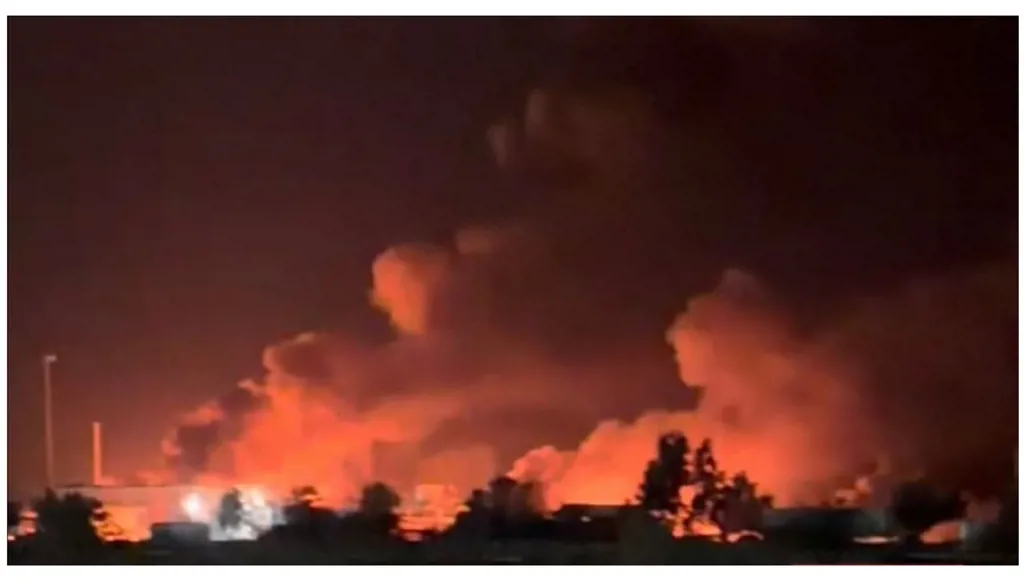
Bahrain
In Bahrain, sirens sounded, according to the Bahraini Ministry of Interior, which urged citizens and residents to remain calm and head to the nearest safe location.
For its part, Bahrain TV reported that air defense systems had intercepted “Iranian aerial attacks,” as the Iranian Revolutionary Guard had earlier vowed to respond to US strikes that targeted sites in Iran.
Qatar
In Qatar, the Ministry of Interior announced that “the security threat level is high,” urging everyone to remain at home and stay in safe places, while Reuters reported that a security alert had been sent to mobile phones across the country.
These developments come amid continued escalation between Washington and Tehran, after US President Donald Trump announced that the strikes targeting Iran were carried out in response to attacks on vessels. He warned that any repetition of such attacks would lead to a “much worse situation,” stressing that any further targeting of maritime traffic would be met with more powerful strikes.
In this context, a US official told Reuters, speaking on condition of anonymity, that the ongoing US strikes against Iran would be “broader and greater in number” than those carried out on Tuesday.
IRGC
For its part, the Iranian Revolutionary Guard announced that "the United States targeted sites near a bridge in the city of Aq Qala in Golestan Province, northern Iran, with a cruise missile," confirming that no human casualties were recorded as a result of the attack.
Iranian media reported that three people were killed in western Iran as a result of the US strikes.
Meanwhile, the Axios website quoted a US official as saying that "the US Air Force bombed two railway bridges in Iran as part of the ongoing strikes against Iranian targets."
In a statement issued at dawn on Thursday, the Revolutionary Guard said that the United States had launched an attack on several areas in the coastal provinces of southern Iran. It confirmed that Tehran had targeted infrastructure and key facilities at the Arifjan and Ali Al Salem bases in Kuwait, as well as the Juffair and Sheikh Isa bases in Bahrain.
The Revolutionary Guard stressed that "no attack by the US military will go unanswered," warning that "if any attack is repeated, the devastating responses will expand to include other US bases in the region."