

Iraq Delays Cabinet Formation After PM's US Visit
Baghdad seeks to balance domestic political agreements with its strategic partnership with Washington as cabinet talks stall



 Messenger
 Whatsapp
 Threads
 Email
Email
 Print
Print
 X
X
 Facebook
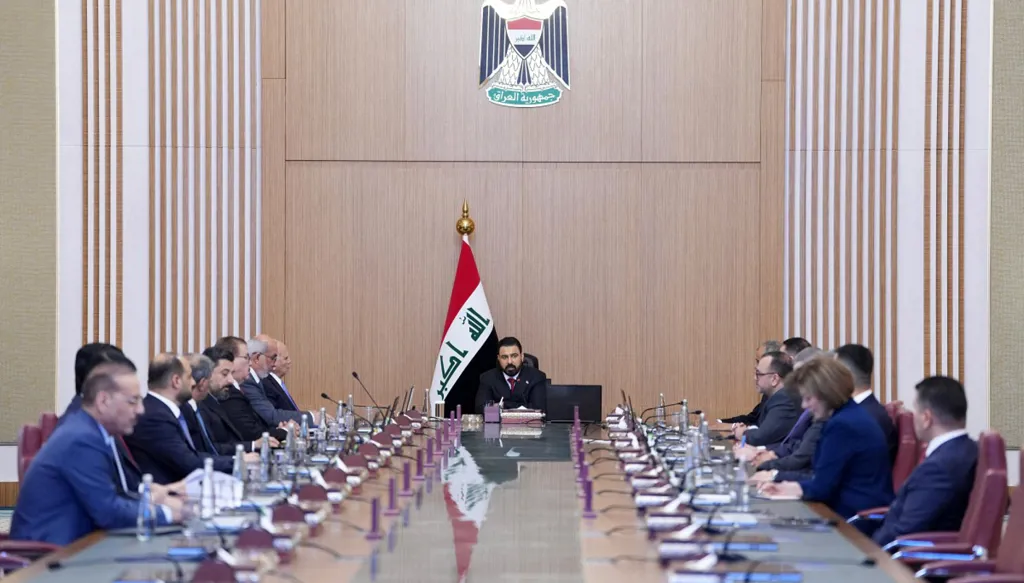


The crisis surrounding the completion of Iraq’s cabinet reflects the complex interplay between domestic political agreements and partnership considerations with the United States. Filling the remaining ministerial posts has become tied to the outcome of Prime Minister Ali Al Zaydi’s upcoming visit to Washington. While Baghdad insists it is working to complete the formation of the government, US reservations about appointing figures linked to armed factions continue to weigh heavily on the ongoing negotiations.
US reservations
Political sources familiar with the matter told Annahar that negotiations over the remaining ministerial portfolios have been postponed until after Al Zaydi’s visit to Washington in mid-July. The delay is linked to the outcome of the Iraqi US dialogue, particularly discussions concerning the future of Iraqi armed factions and their political and executive roles.
The Iraqi Parliament granted confidence to Al Zaydi’s government in mid-May after approving 14 of the 23 ministries, while nine ministries remained vacant pending political consensus on their nominees. The unresolved portfolios include Defense, Interior, Planning, Higher Education and Scientific Research, Migration and Displacement, Construction and Housing, Labor and Social Affairs, Youth and Sports, and Culture.
The sources explained that the postponement is not solely due to the traditional disputes among political forces over the distribution of ministries. It is also linked to continued US objections to assigning ministerial positions to figures representing armed factions, even if they are part of the political process and hold parliamentary representation.
The sources added that the US administration views the issue through the lens of its implications for the future relationship between the Iraqi state and armed groups, as well as its potential impact on security, military, and economic cooperation between Baghdad and Washington.
In this context, Al Zaydi hopes to use his upcoming visit to hold direct talks with US officials in an effort to reach understandings that would allow him to complete the formation of his government. He is expected to offer assurances that the participating factions are committed to state decisions and that all weapons remain under the authority of official state institutions.
The government believes these assurances are supported by steps taken by some factions in recent months after they announced that they had handed over their weapons to the state or placed them under the supervision of the security institutions. These groups include the Asaib Ahl Al Haq Movement led by Qais Al Khazali and the Imam Ali Brigades led by Shibl Al Zaydi. Baghdad believes these developments could encourage Washington to reconsider its position on allowing representatives of these groups to participate in the executive authority.
The sources stressed that Al Zaydi is avoiding any move that could be interpreted by the United States as granting executive influence to factions that remain the subject of US reservations. He recognizes the importance of maintaining cooperation with the United States on security, defense, investment, and the financial sector, as well as coordination in addressing regional challenges.
A visit that goes beyond government formation
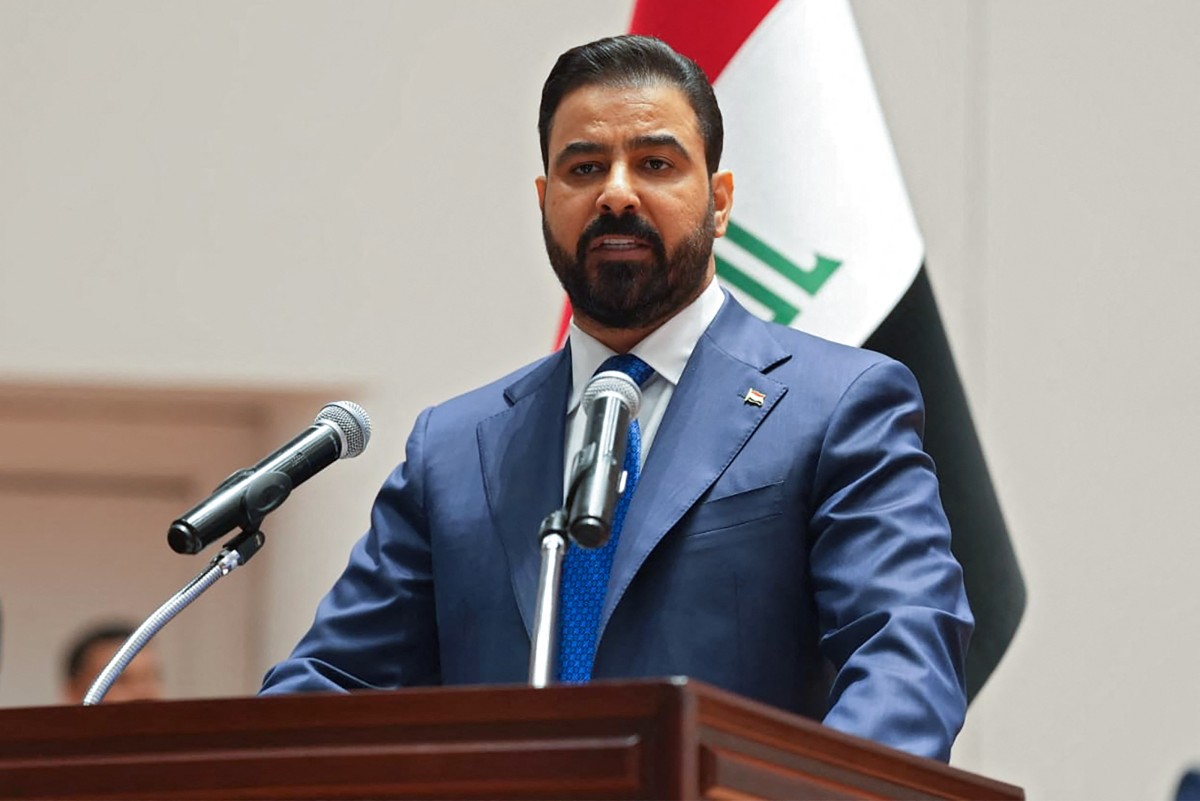
Al Zaydi’s visit to Washington carries significance beyond completing the government formation. The agenda is expected to include the future of security cooperation between the two countries, support for the Iraqi economy, the course of bilateral relations, as well as the issue of armed factions and ensuring that weapons remain exclusively under state control.
This comes as Washington continues to emphasize its support for strengthening Iraqi state institutions and ensuring that only the state possesses weapons, while Baghdad maintains that this issue should be addressed within Iraq’s legal and sovereign framework in a way that preserves domestic stability.
A delicate balance
Strategic affairs expert Hussein Al Assad told Annahar that postponing the completion of the government until after Al Zaydi’s visit reflects the sensitivity of the current stage for the Iraqi government and its efforts to strike a balance between the demands of domestic political consensus and maintaining the strategic partnership with the United States.
He explained that including political groups with armed wings in the government is not merely a domestic matter. It also affects the nature of Iraq’s relations with the international community, particularly the United States, which is closely monitoring Iraq's security reforms.
Al Assad added that the government is seeking to avoid any decisions that could be interpreted internationally as granting executive influence to factions that remain controversial. This, he said, explains why the decision on the remaining ministerial posts has been postponed until the outcome of the dialogue with Washington becomes clear.
The Iraqi expert believes that if Al Zaydi succeeds in providing convincing assurances that all armed groups will be subject to state authority, it could help ease international concerns and pave the way for completing the government formation. However, if these understandings fail to materialize, the vacancies in some ministries could persist for a longer period, negatively affecting government performance and political stability in the coming phase.