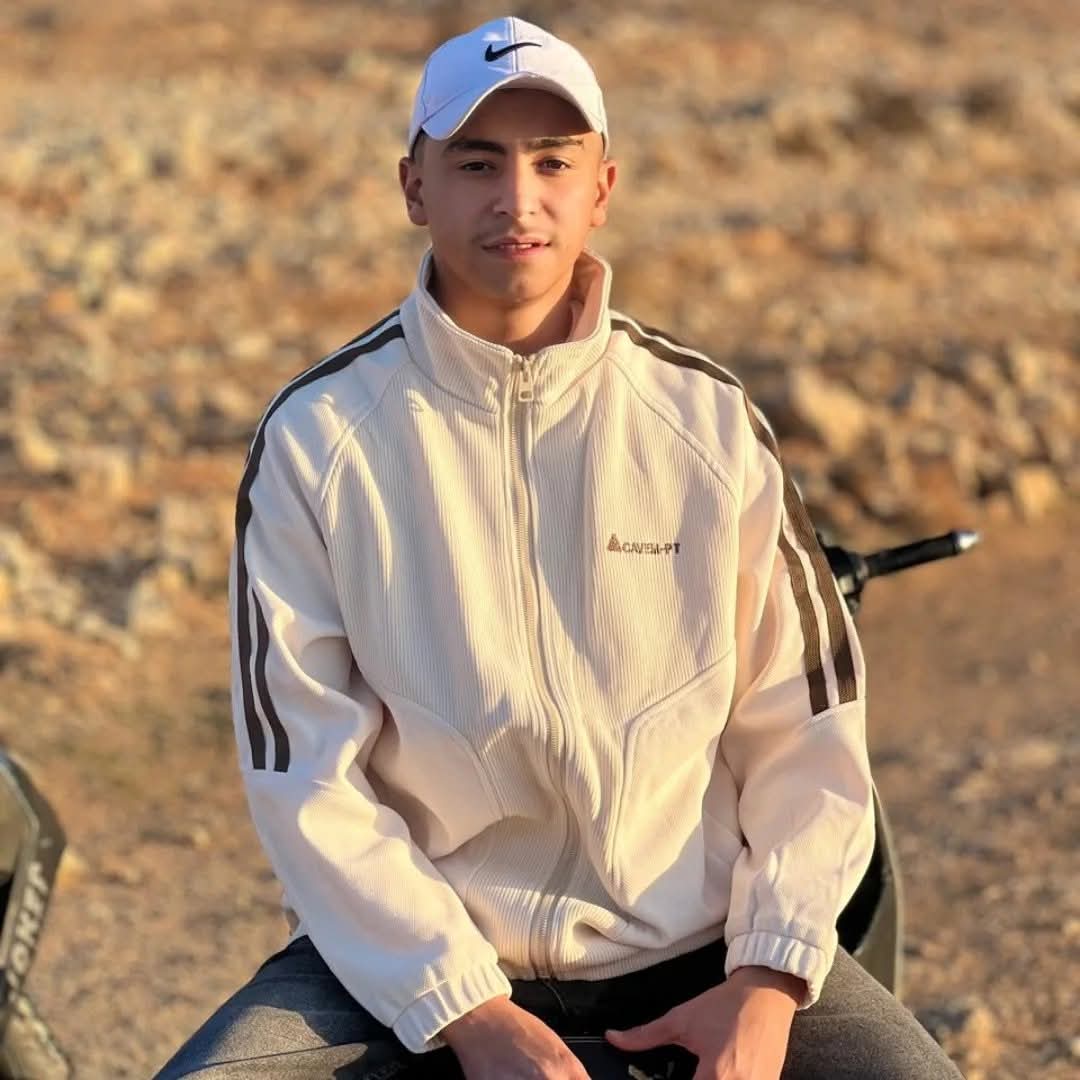
More than 200 Lebanese students killed in Israeli attacks
They left home carrying notebooks, dreams, and plans for tomorrow. Their stories reveal the human cost of a war that took away not only lives, but the futures those lives were meant to create.




 Messenger
 Whatsapp
 Threads
 Email
Email
 Print
Print
 X
X
 Facebook
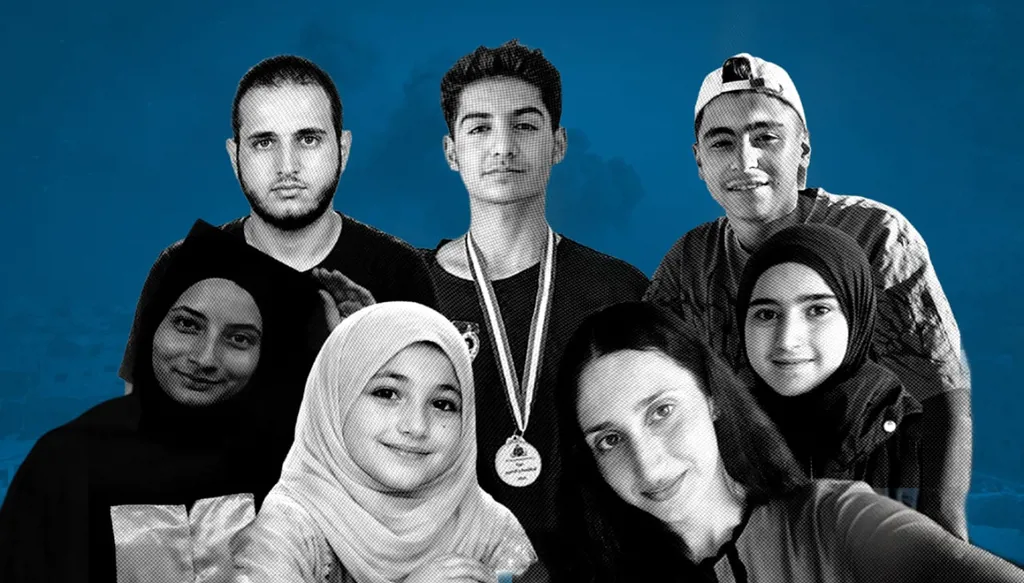


Alaa Salman, Mohammad Al Jarmaqi, Daniella Naeem Khalifeh, Hassan Samer Deheini, Fadl Tarhini, Theodosia and Tony Karam, Zainab Al Jabaly, Zahraa and Hussein Shokr, and many others were students who were killed in Israeli attacks during the most recent war. Their dreams remain unfulfilled, preserved only in their photographs and in the lasting sorrow of their families.
More than 200 Lebanese students have been killed in the Israeli war since March 2, 2026, according to Dr. Georgia Al Hashem, adviser to the Lebanese Minister of Education, in an interview with Annahar. In an instant, families lost sons and daughters who had been carrying their pens, notebooks, and dreams, while the sound of shelling drowned out everything else.
Student Alaa Salman was an example of academic excellence and ambition, consistently leaving her mark in everything she did. Her outstanding achievement was recognized when she ranked first nationwide in Lebanon in the official General Secondary Certificate examinations for the Literature and Humanities track during the 2023–2024 academic year. However, her promising future was cut short when she was killed in an Israeli airstrike that targeted her hometown of Maarakeh in southern Lebanon.
Her sister, Israa, told Annahar that Alaa was deeply passionate about the Arabic language. She insisted on using Arabic on her mobile phone and in all of her correspondence because she firmly believed that "Arabic is the most beautiful language and the one best able to express meaning."
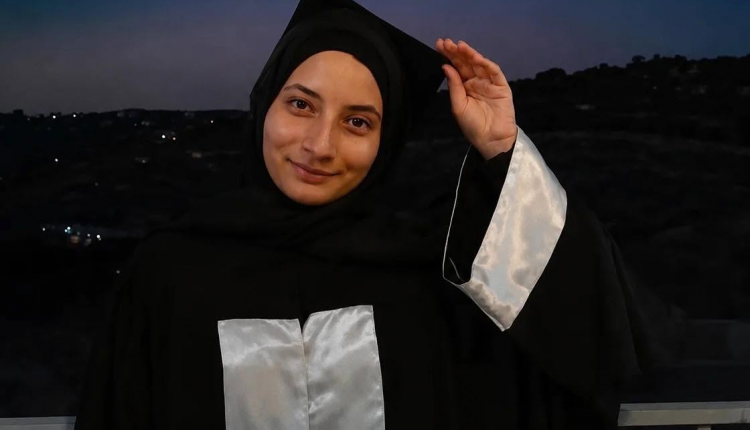
Her passion extended beyond language to include both writing and reading. She wrote her own pieces and speeches, recording her thoughts and convictions in personal notebooks that she kept. Whenever she could, she bought books and novels because of her love for literature. Israa added, "She was the one who instilled in me a love of reading until it became one of my favorite hobbies."
Alaa was widely known for her deep passion for the Arabic language, to the point that everyone who knew her encouraged her to write a book under her own name. Despite her devotion to Arabic, she chose to study social media and communications at university, seeing it as a field that combined her passion for writing and self expression.
Throughout her university years, she did not focus solely on her studies but also worked to support her parents. Her sister Israa said, "She succeeded in working in her field of specialization, managed several social media pages, and demonstrated excellence and creativity in every task entrusted to her."
Alaa's dreams were never limited to a single goal. She saw every achievement as the beginning of a new dream. Despite the war, she never stopped pursuing her education, and her greatest priority was completing her graduation project, into which she invested tremendous effort. She eagerly awaited the day she would defend it so she could begin her professional career and fulfill the plans she had made for years.
Alaa was killed before she could receive her university degree, and her story became one of hundreds of stories of students whose educational journeys were cut short by the war.
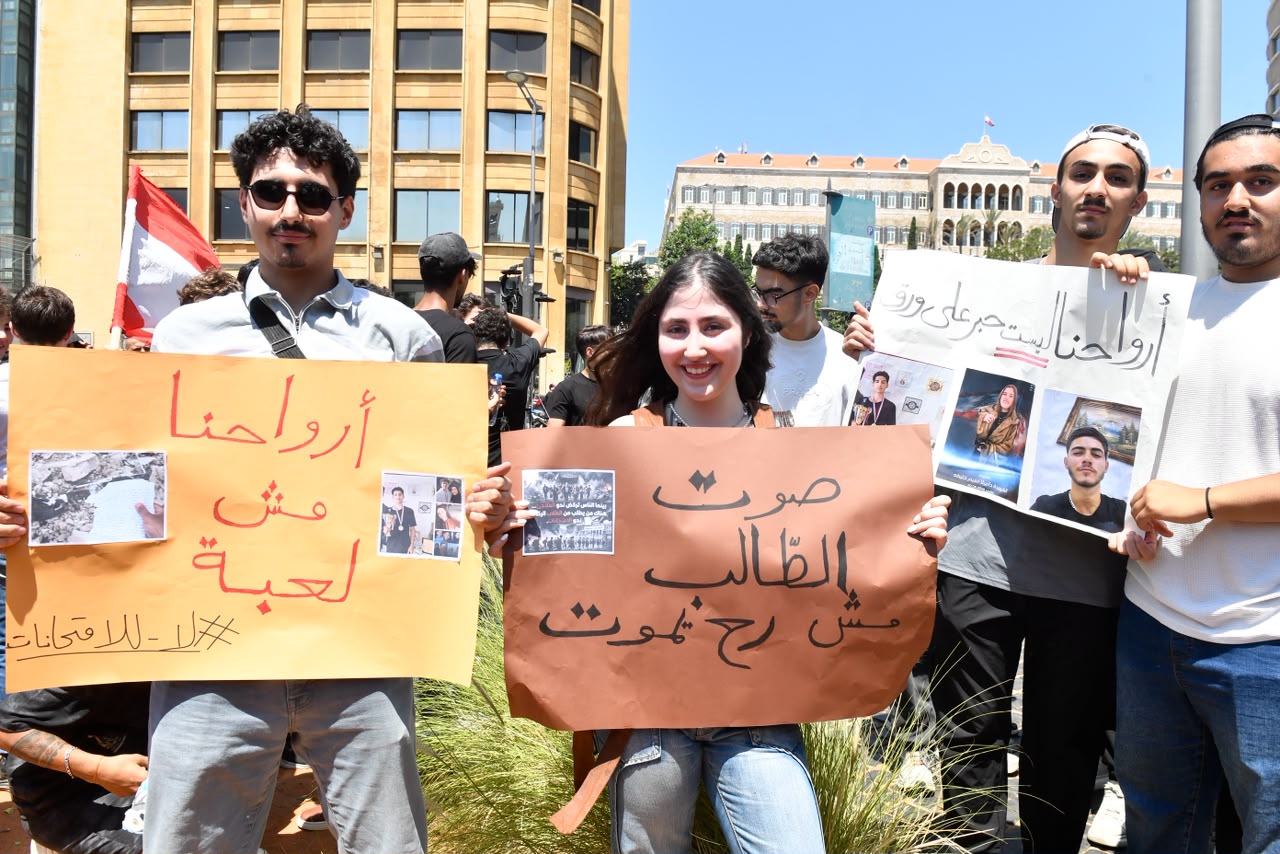
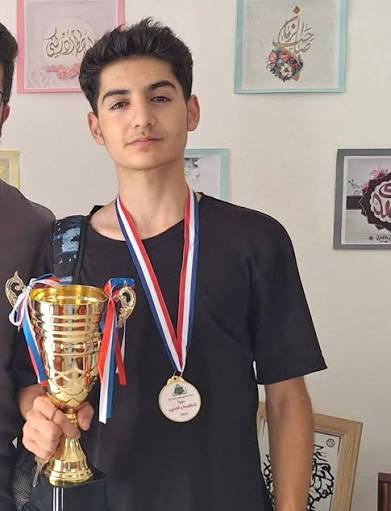
In his final days, Mohammad never gave up on his dream. He asked his parents for permission to attend private tutoring sessions with his teacher to prepare for his exams, convinced that success was still within reach. But his journey to the classroom ended before he could earn his diploma. In a single moment, he went from being a student carrying his books to becoming another victim of the war.
His sister said, "When Mohammad was killed, his dreams, his pen, and his paper died with him, leaving us determined to continue the educational journey he was unable to complete."
Al Taliaa High School in Zefta mourned its student, noting that he had been preparing for his examinations when the war overtook him. He left this world between the pages of a book and relentless shelling, leaving behind the pain of loss in the hearts of those who knew him and the memory of a student who was never given the chance to write the final chapter of his dreams.
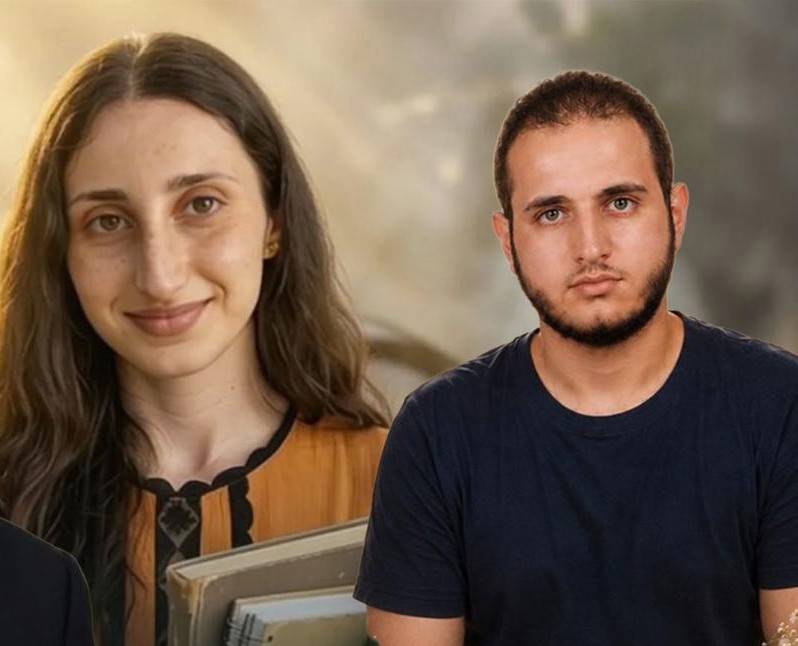
Theodosia and Tony: Fatal examinations
University student Theodosia Karam, from the town of Qlayaa, never had the chance to celebrate her graduation like her classmates. An Israeli drone struck before her dreams could be realized, killing her, her brother Tony, and their father when their car was targeted on the Khardali–Marjayoun road.
Theodosia had a clear dream that she had held since childhood. Her aunt, Georgette Abu Matta, told Annahar that she aspired to become a cardiologist. From an early age, she was fascinated by anatomy and discovery, often saying, "I will become a doctor. I will make my family proud, and I want to be like my father."
She was meant to wear a graduation gown, not be laid to rest. Through her tears for Theodosia, her brother, and their father, her aunt recalled a young woman who loved learning and knowledge and remained committed to staying in Lebanon despite all the hardships because she believed in her country and its land.
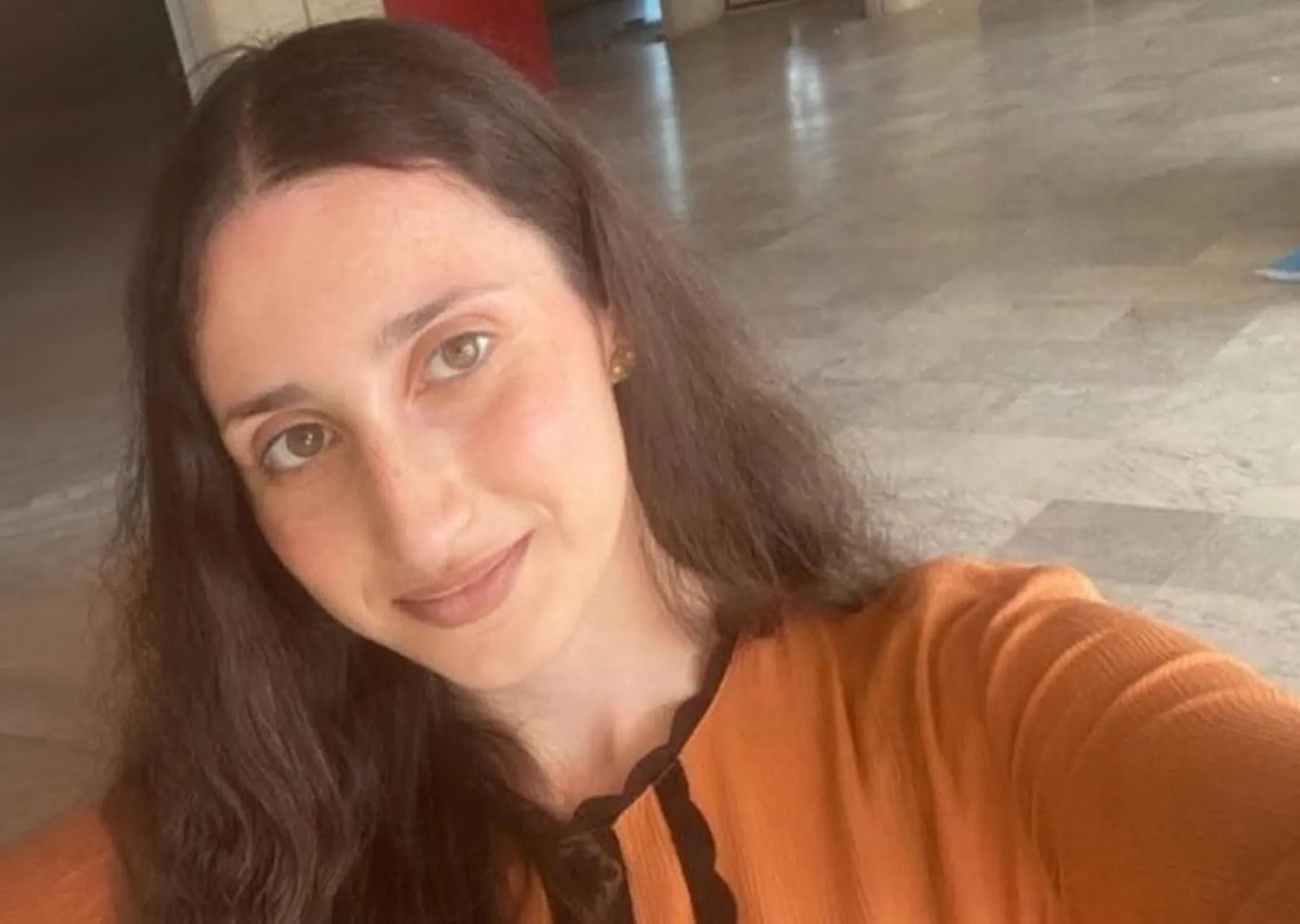
Her aunt added, "She loved her name and was proud of it because it appears in the Bible and means 'God's gift.'" She described Theodosia as an outstanding student with a strong faith. Like many students in southern Lebanon, however, she lived with constant anxiety as the war escalated and hoped that the examinations would be postponed or that a unified plan would be introduced to take into account the circumstances of students from the South.
No unified official decision was issued to address the situation of these students. Instead, each student was left to contact their professors or university administration individually in an attempt to find a solution suited to their circumstances.
Her aunt believes that insufficient attention was given to students who studied in Beirut while their families remained in southern Lebanon, a situation that applied to Theodosia, who was enrolled in the Faculty of Science at the Lebanese University in Hadath. She said with anguish, "It is heartbreaking. Those students were left to an uncertain fate, as if each one had to fend for themselves. Their loss is immeasurable, and nothing can make up for it."
Theodosia was not only waiting for her examinations. She was waiting for an entire future. But the war turned her journey to university into one that ended in loss, leaving her postponed graduation as a lasting reminder of a dream that the war never allowed to be fulfilled.
Theodosia's brother Tony also had his life cut short by Israel before he could realize his dream of becoming a mechanical engineer. Since childhood, he had been passionate about taking cars apart and putting them back together. He spent hours building miniature models of cars and airplanes, finding in them both joy and his own way of understanding the world of engineering.
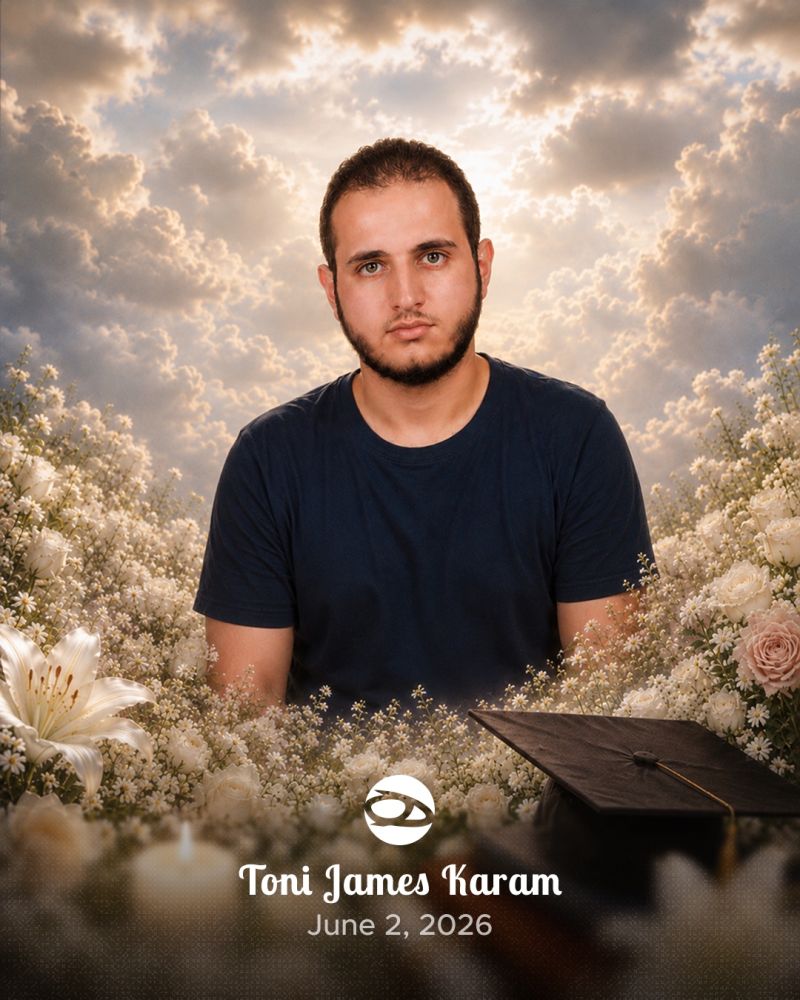
Her aunt told Annahar that Tony had been eagerly awaiting the end of his university exams so he could begin his first internship. He spoke about it with great enthusiasm, seeing it as the first step toward the profession he had long dreamed of. But the war ended that dream before it could begin, denying him the opportunity to experience the career he had envisioned for himself.
She emphasized that, despite everything Lebanon had endured, Tony rejected the idea of emigrating and remained determined to stay in his homeland, believing that his future should be built there. Yet that very land was stained with the blood of Tony, his sister, and their father on the same day.
Tony was just one day away from completing his university exams. He was killed before he could celebrate his success or reap the rewards of years of hard work and dedication. Like his sister Theodosia, he had a deep passion for learning and knowledge. Their dreams came to an end together on that tragic day, when they left home in the morning as students carrying their books and pens, chasing their future, only to return as lifeless bodies.
Before members of the Karam family were killed, residents of Qlayaa and neighboring towns, together with a number of students, had repeatedly appealed to the Ministry of Education and Higher Education, the Lebanese University, and several private universities to adopt exceptional measures reflecting the deteriorating security situation in southern Lebanon. They called for the postponement of in person exams for students who could not safely reach their universities, the adoption of remote exams, or the introduction of a special mechanism for students coming from high risk areas.
However, those appeals did not result in a unified decision. Like dozens of other students from southern Lebanon, Theodosia and Tony were left with no choice but to travel to Beirut to sit for their exams. Their journey in pursuit of education became a journey to death, ending when an Israeli strike deprived them of their right to life.
Zainab Al Jabaly: Dreams buried beneath the earth
In a fifth-grade classroom at Al Mabarrat Charity Association Schools, the seat of 10 year old Zainab Al Jabaly remains empty. She left her classroom but never returned. On March 5, 2026, an Israeli airstrike targeted her family's home in the town of Libbaya in the Western Beqaa, ending her childhood before it had the chance to unfold.
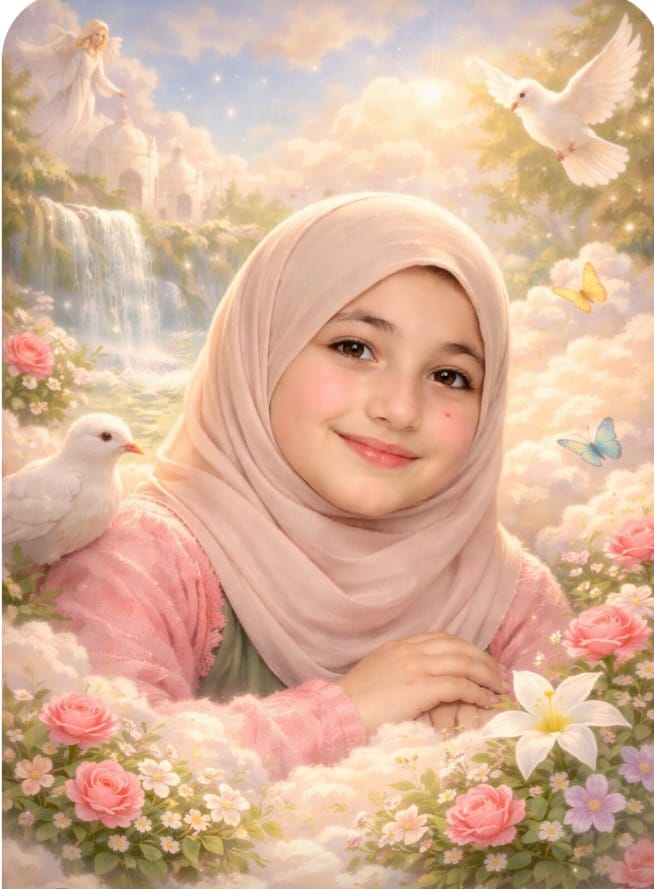
Zainab was never given the chance to celebrate her success or receive her school certificate, as her journey ended before her dreams had even begun. Her father, Hassan, told Annahar, "Zainab was an outstanding student. She did not have to sit for the final term exams because she consistently achieved high marks throughout the year. She loved school and adored her teachers. She would not enter the classroom before greeting each one of them. She was exceptional in every way."
Despite her young age, her dreams were far greater than her years. At times, she spoke of her desire to become a doctor, at others an engineer, and sometimes even a pilot. She had not yet decided which path she would choose, but she was certain of one thing: she wanted to succeed and achieve her full potential.
Her father continued, "She had a unique personality, and even her beauty set her apart from her sisters. There was something about her that made you love her from the very first encounter. She was beautiful and graceful, and it would be difficult for anyone who knew her to forget her."
Zainab was the youngest child in her family. Today, all that remains of her is a photograph on the wall, evoking the presence of someone who is no longer there. She was not the only victim of that airstrike. Her mother was also killed, while her siblings have continued receiving treatment for three months after being injured in the strike that targeted the family home in March 2026.
In the Al Jabaly home, Zainab’s notebooks and schoolbooks have become a reminder of a child who saw her future as open to every possibility, before the war buried her dreams beneath the rubble.
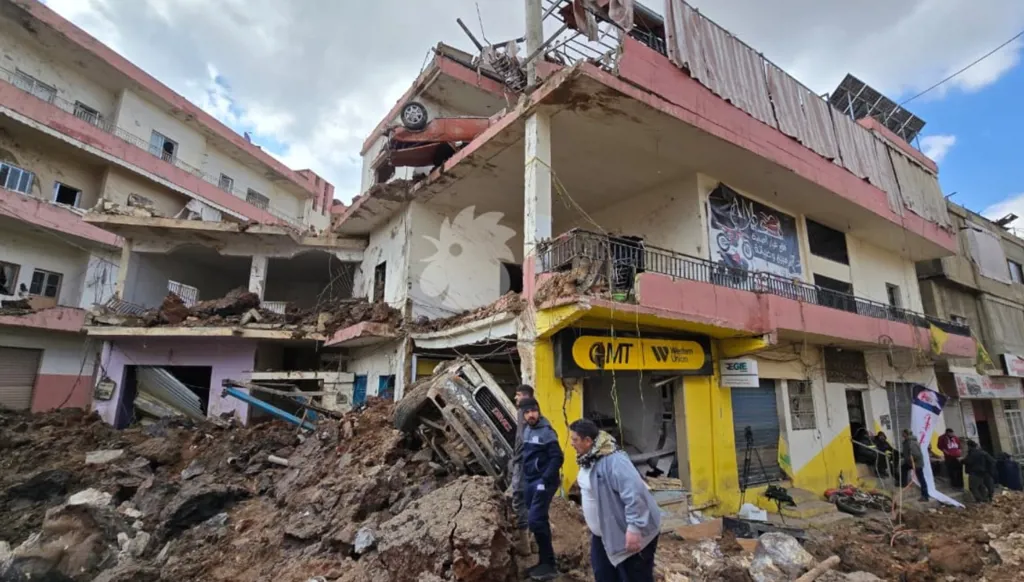
Zahraa and Hussein Shokr: Dreams lost in the Nabi Sheet landing operation
Zahraa Shokr, a 13 year old eighth grade student, was unable to complete her academic year like her classmates. The Israeli landing operation in the town of Nabi Sheet in March 2026 took her life before she could move one step closer to achieving her dream.
Her brother Ali recalls that Zahraa dreamed of becoming a doctor because she wanted to help people. He told Annahar that she "thought about her future despite her young age. She wanted a profession that would provide her with a dignified life while also allowing her to serve others. That is why she decided to work hard in her studies to become a doctor."
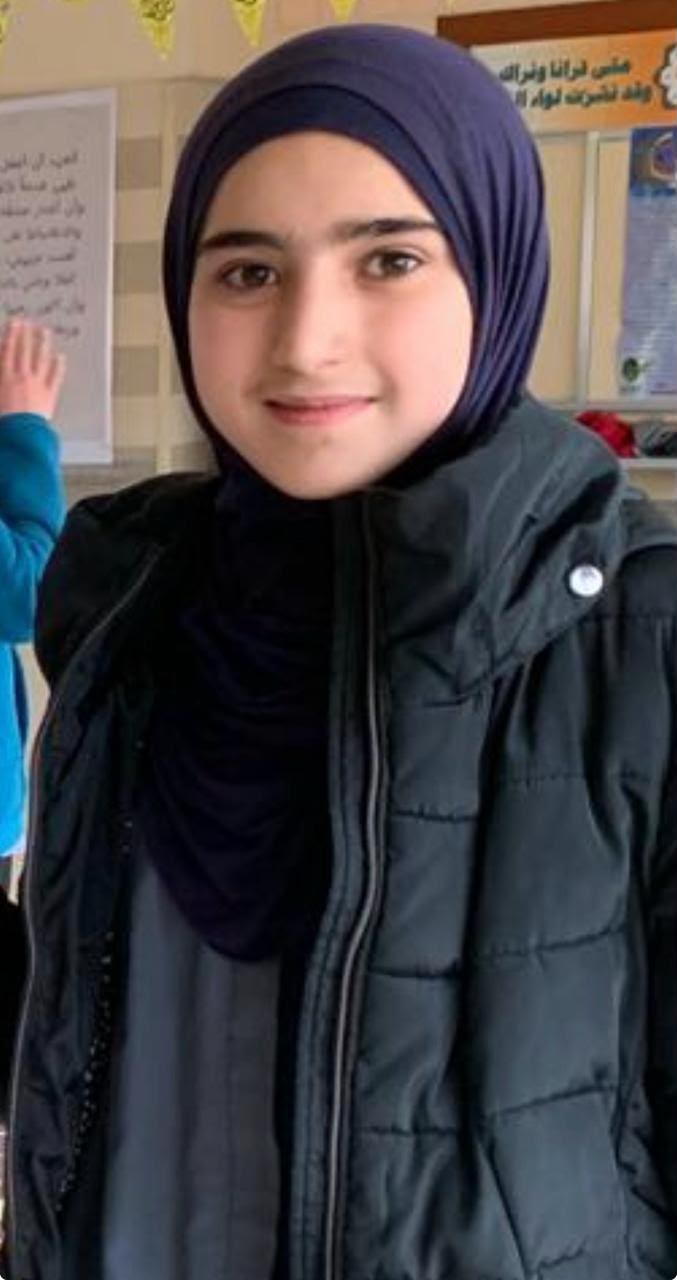
Zahraa was naturally quiet and shy, but she was remarkably determined. She was one of the top students in her class and never struggled with any subject. Her 15 year old brother added, "She loved all subjects, and her grades were excellent. Her dreams grew with her day after day."
Her passion extended beyond the school curriculum. She was always eager to learn new skills and improve herself. Last summer, she enrolled in a programming course to develop her abilities.
Ali made a promise to his sister and mother, whom he lost in the war, saying, "I promise Zahraa and my mother that their sacrifice will not be in vain. I will continue my studies and achieve the dream they believed in."
Today, Ali is preparing to begin the first year of secondary school after the Council of Ministers decided to cancel the official middle school certificate exams ("Brevet") for this year and adopt a system of exemptions, granting students certificates of successful completion instead.
For him, the responsibility now falls on the students who survived. He stressed, "We must carry the dreams of our classmates who were killed and continue the path they were unable to complete. We study for them and for this country."
Hussein and his dream of becoming a doctor
Hussein Ali Shokr was preparing for his official exams, looking ahead to the beginning of a new chapter in his life: moving from school to university, and then to medical school, which he had always dreamed of attending. Amid the war and bombardment, he never abandoned his books or his determination to succeed. Instead, he insisted on completing his journey until the very end.