Khamenei’s funeral procession draws crowds of mourners in Iraq
From Najaf to Karbala, mourners gathered for ceremonies highlighting Ayatollah Ali Khamenei’s religious and political legacy, amid renewed tensions between Iran and the United States.



 Messenger
 Whatsapp
 Threads
 Email
Email
 Print
Print
 X
X
 Facebook


Khamenei’s coffin arrived at Najaf city airport late on Tuesday night, where it was received by Iraqi officials, including Prime Minister Ali al Zaydi and leaders of the “Coordination Framework Alliance”, as well as other politicians and leaders.
It was also received by Iranian President Masoud Pezeshkian and the commander of the Quds Force of Iran’s Islamic Revolutionary Guard Corps, Esmail Qaani. Mustafa, one of Khamenei’s sons, was also present, while Mojtaba Khamenei, who succeeded him as Supreme Leader, has not appeared in public since his appointment in March.
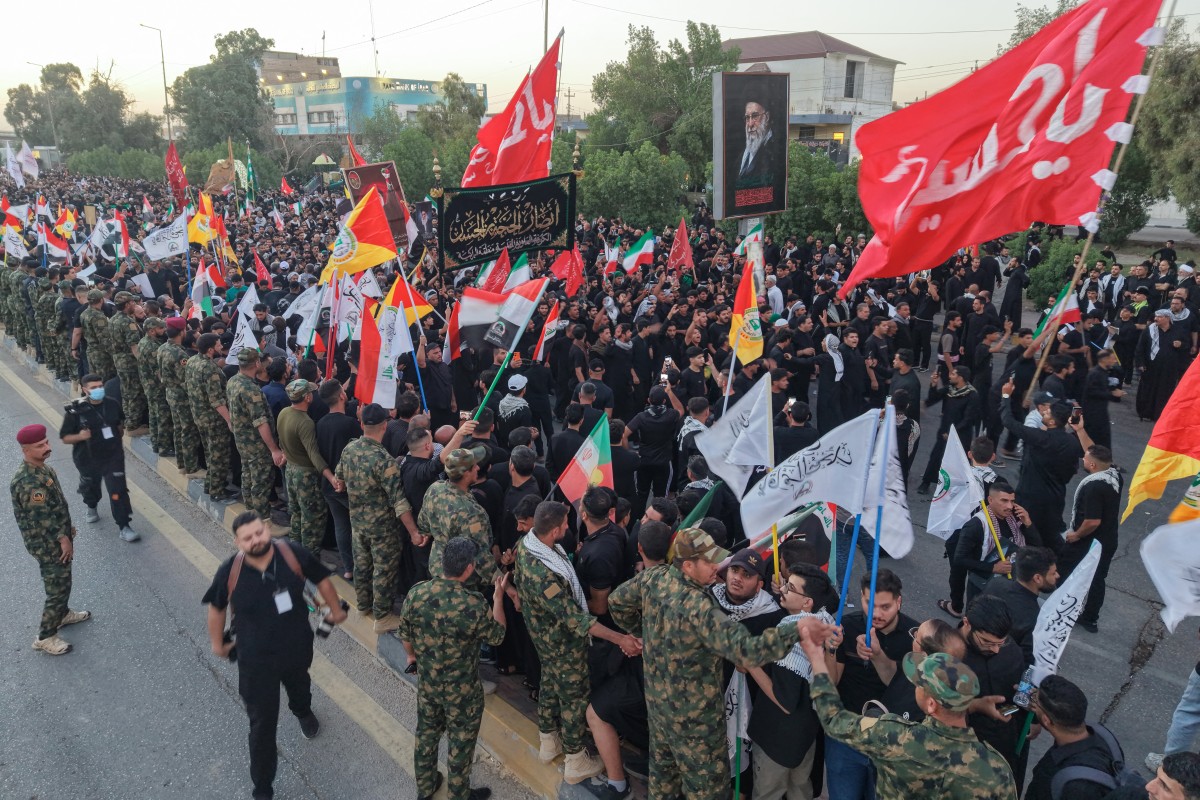
Iraqi authorities declared Wednesday an official public holiday. The popular funeral procession began in the city of Najaf at 6:00 a.m. (03:00 GMT).
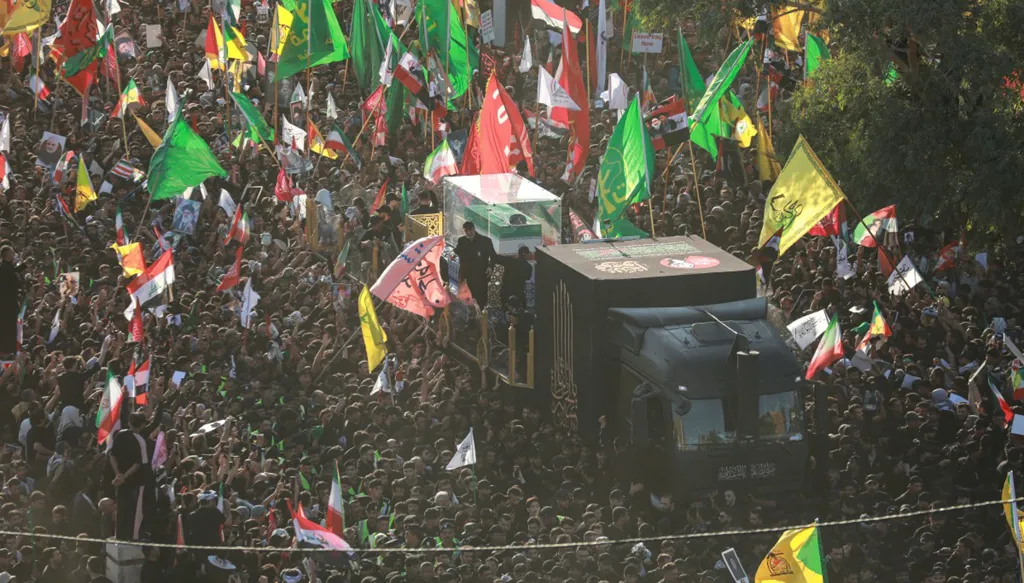
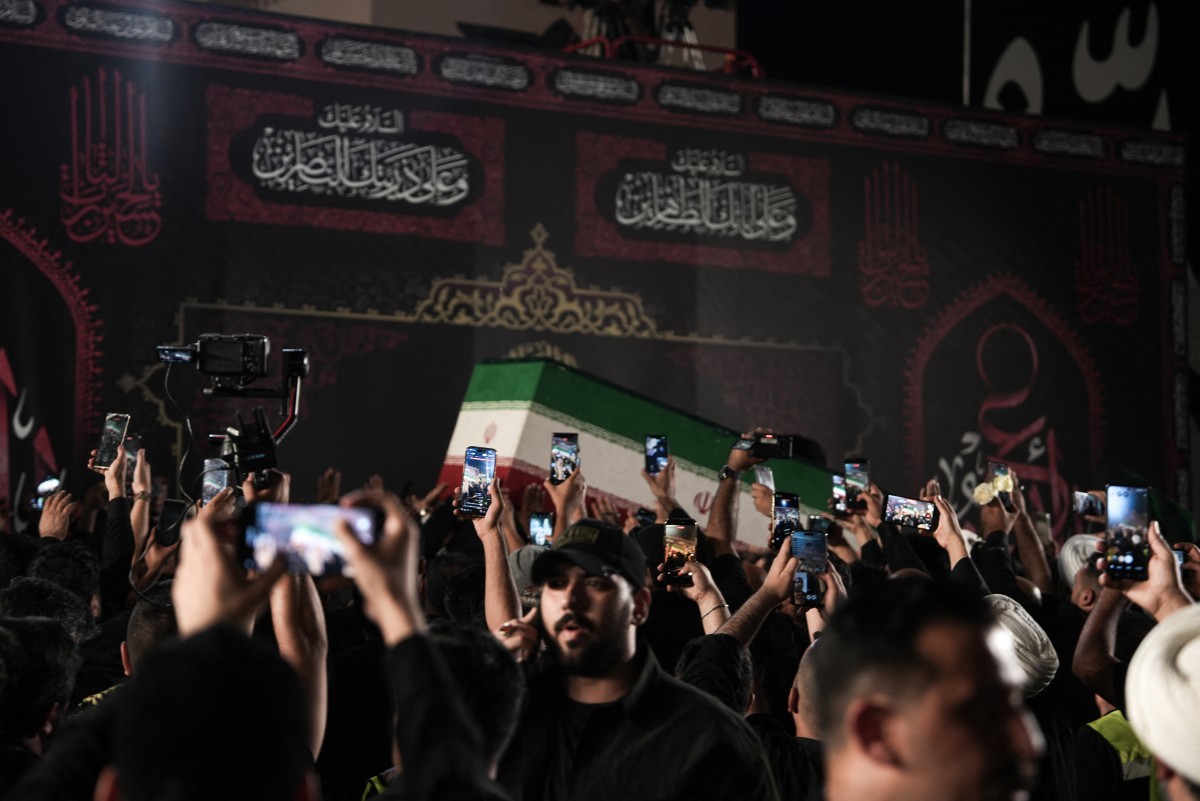
In the city’s streets, a truck carrying Khamenei’s coffin, wrapped in the Iranian flag, moved through the crowds. Large numbers of mourners gathered around it, with some attempting to approach and touch the coffin, while others carried pictures of the late leader, as well as images of Iranian leaders and figures from the “Axis of Resistance” led by Iran.
The funeral procession will conclude in Najaf at the shrine of Imam Ali, where hundreds of clerics are waiting to perform prayers over the body before it is transferred to the holy city of Karbala.
Funeral procession for the martyred Leader of the Islamic Revolution Ayatollah Seyyed Ali Khamenei is underway in Najaf, Iraq. pic.twitter.com/JeFlz6dSC5
— IRNA News Agency ☫ (@IrnaEnglish) July 8, 2026
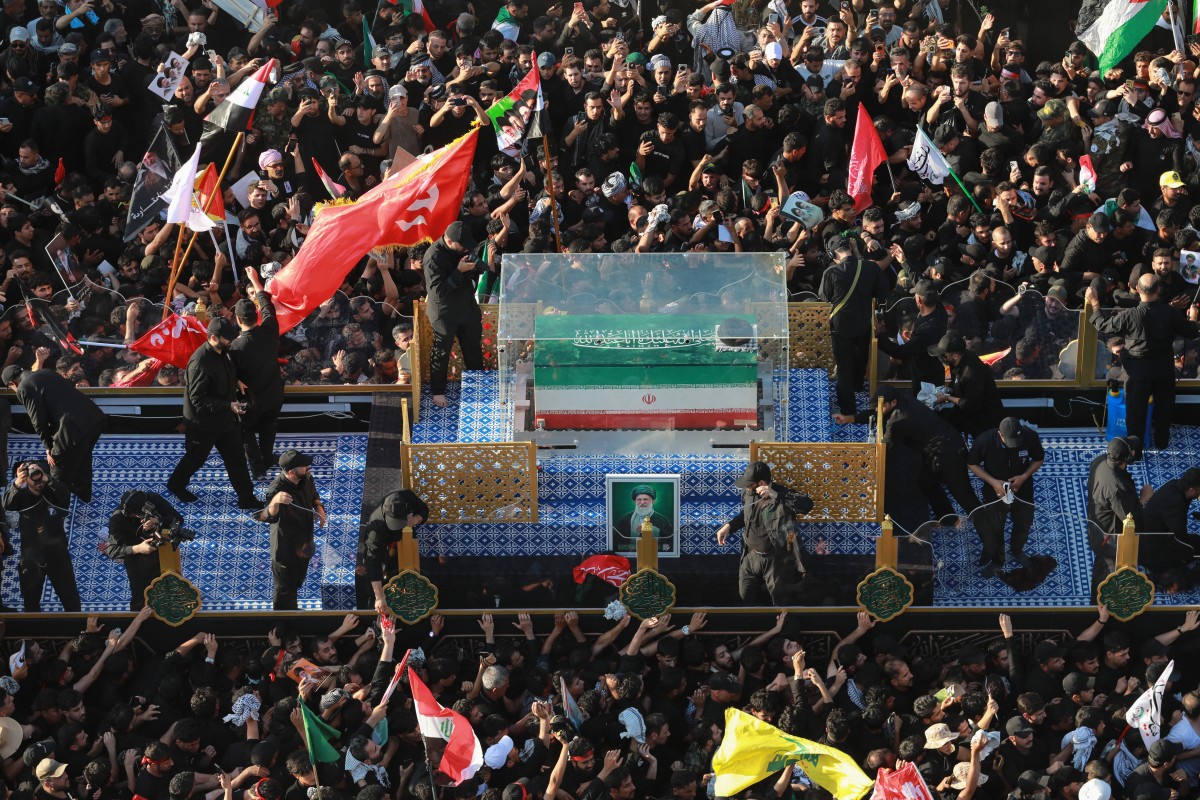
From Tehran, Khamenei was taken to the holy city of Qom, where huge crowds flocked to bid him a final farewell.
Iranian state media estimated that millions of people had taken part in the ceremonies over the past few days, although the authorities have not yet issued any official estimates of the number of participants.
Khamenei had led the Islamic Republic since 1989, following the death of its founder, Ayatollah Ruhollah Khomeini. He was killed at the age of 86. The scenes of huge crowds filling the streets of Tehran recalled the farewell ceremonies held for the founding Imam, which state media said were attended by nearly ten million people.
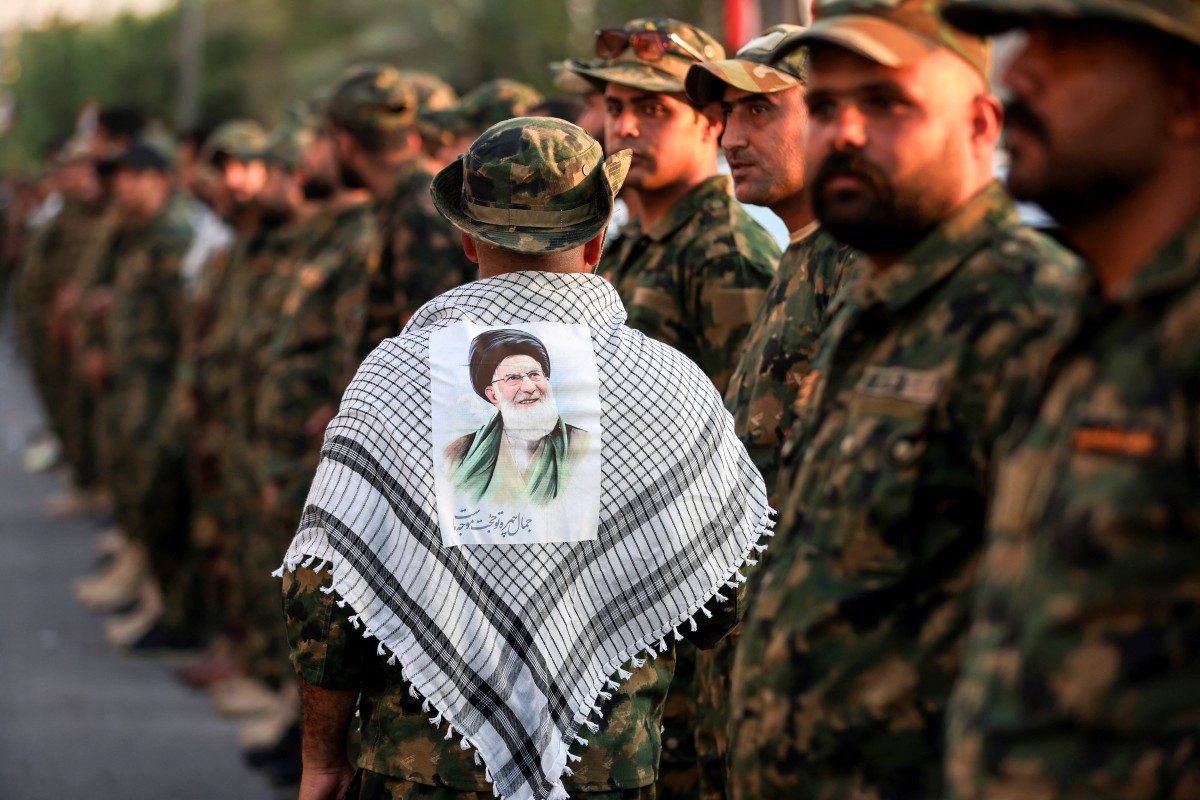
Murtada al Maliki, 27, who travelled from the city of Amarah in southern Iraq to take part in the funeral procession, said: “I spent last night in the street waiting for the honour of participating” in the procession.
He added: “This man has done Iraq a great service. He was the one who stood with us during the days of the ISIS attack... and he was the one who stopped Israel in its tracks.”
The city holds great symbolic significance for Shiites around the world. Many of them wish to be buried there, specifically in the vast “Wadi us Salam” cemetery located next to the shrine.
Najaf is the seat of Iraq’s highest religious authority, Ayatollah Ali al Sistani, as well as several other senior religious authorities. It is also a destination for students of religious sciences who continue their studies at its religious seminaries.
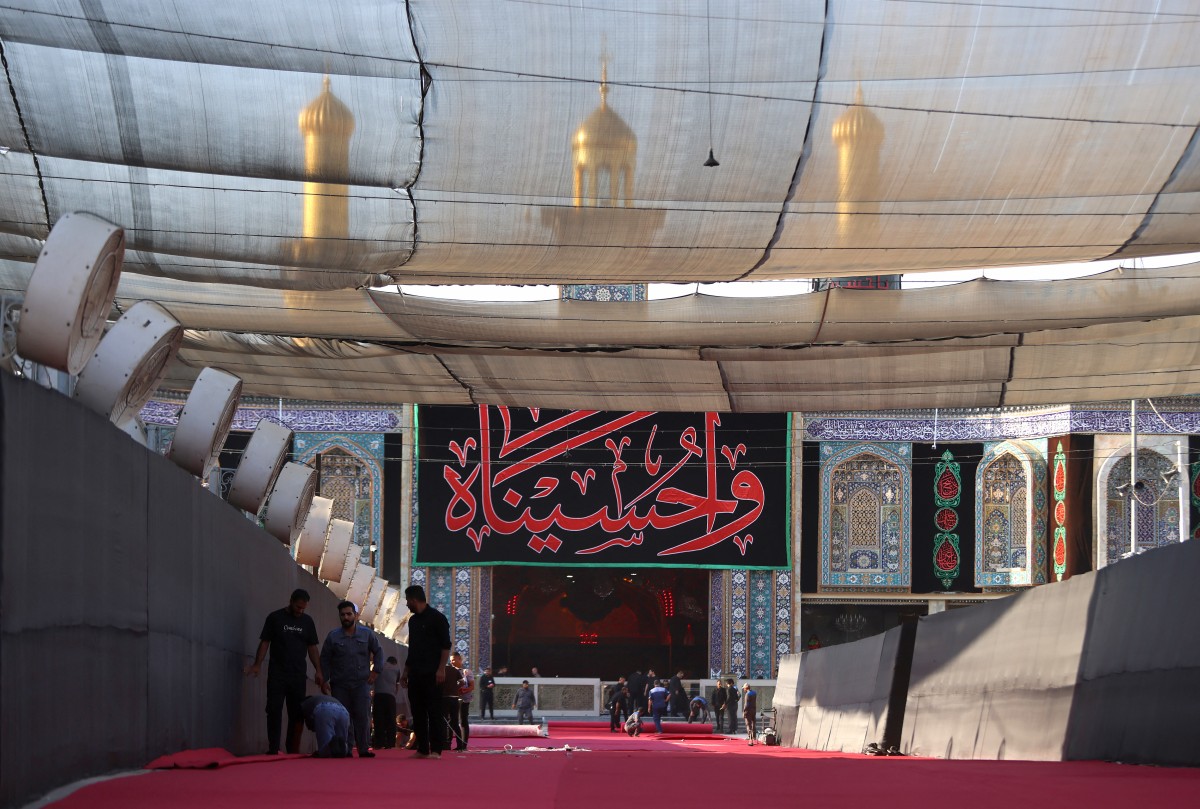
A number of prominent Shiite religious figures studied and taught in Najaf, including Imam Khomeini, the founder of the Islamic Republic.
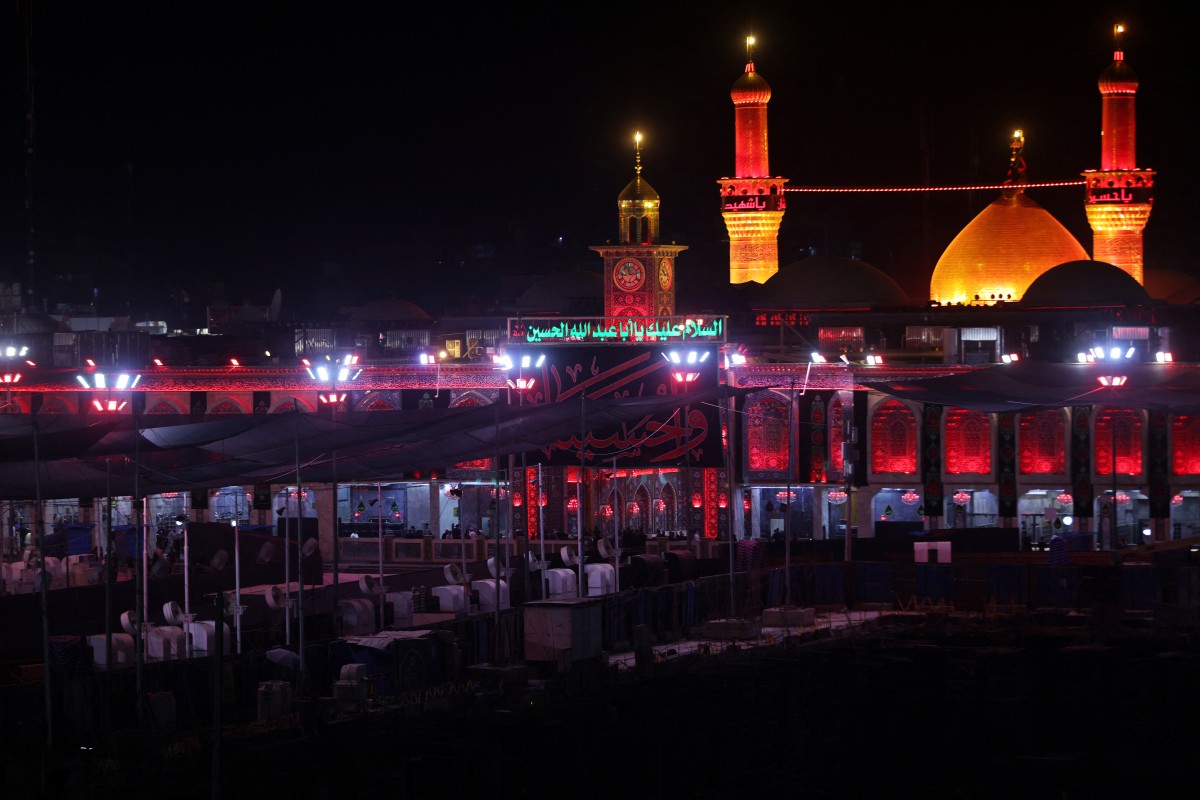
After Najaf, Khamenei’s body will be flown to Karbala, located about 60 kilometres to the north, in another funeral procession that will conclude at the Imam Hussein Shrine and the mausoleum of his brother Abbas.
Hundreds of stalls have been set up along the roads in both cities, where volunteers will provide food and drinks to mourners. The tradition recalls the “Husseini processions”, which provide services to visitors of the shrines during the commemoration of Ashura and the month of Muharram.
In addition to its religious significance, the ceremony in Iraq also carries a political dimension due to the complex relationship between the two countries.
Haider Jaafar, who travelled from Basra to Najaf, said: “I expect millions of Iraqis will take part in the funeral procession, even those who are not loyal to Iran,” because Khamenei “was killed by Israeli American hands.”
He continued: “We now believe that Iran is our strategic depth, and if we lose it, Israel will have defeated the entire region.