

Syria seeks French investment to drive reconstruction and economic revival
During Macron's landmark visit to Damascus, President Ahmed al Sharaa presented Syria as a strategic gateway for trade and energy while urging French companies to move from memorandums of understanding to implementation contracts.



 Messenger
 Whatsapp
 Threads
 Email
Email
 Print
Print
 X
X
 Facebook
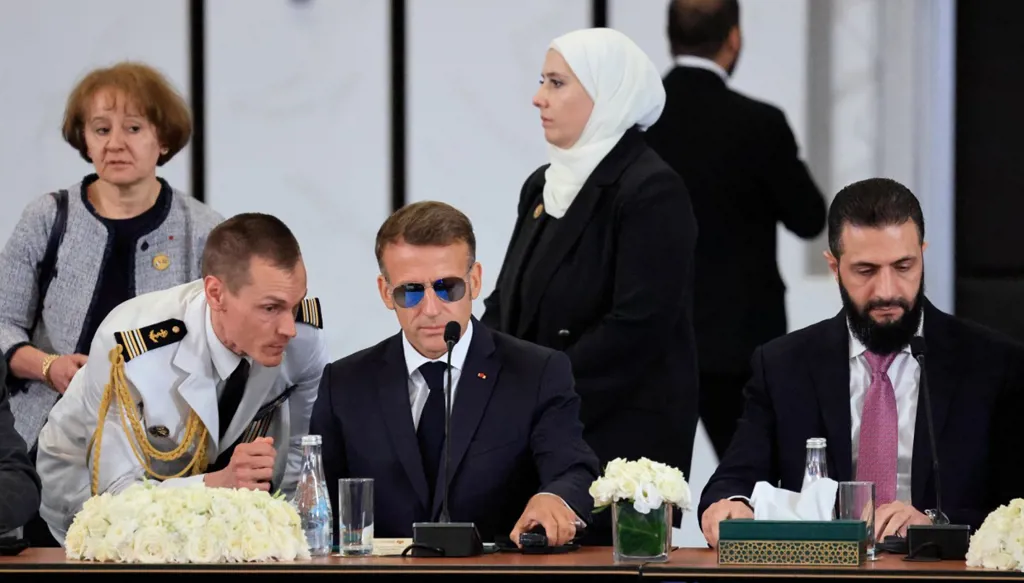
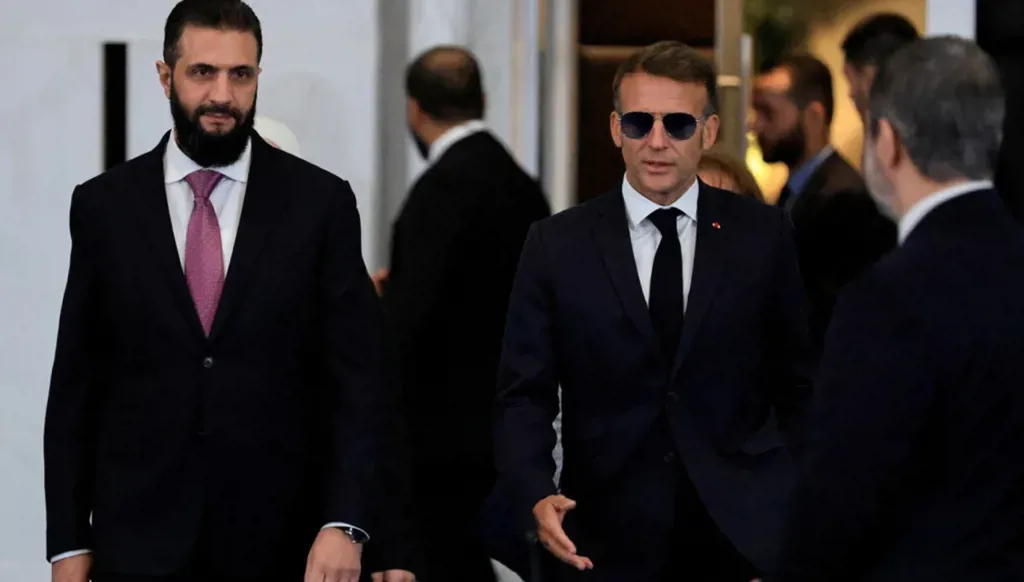
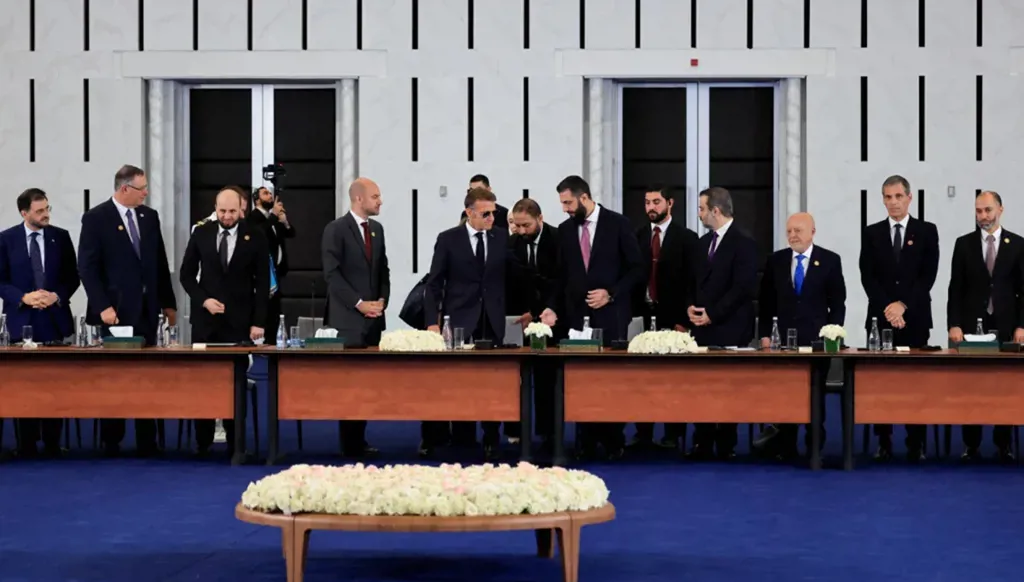


Syrian President Ahmed al-Sharaa confirmed today, Tuesday, that Syria has regained its vital role as an indispensable hub connecting global trade corridors.
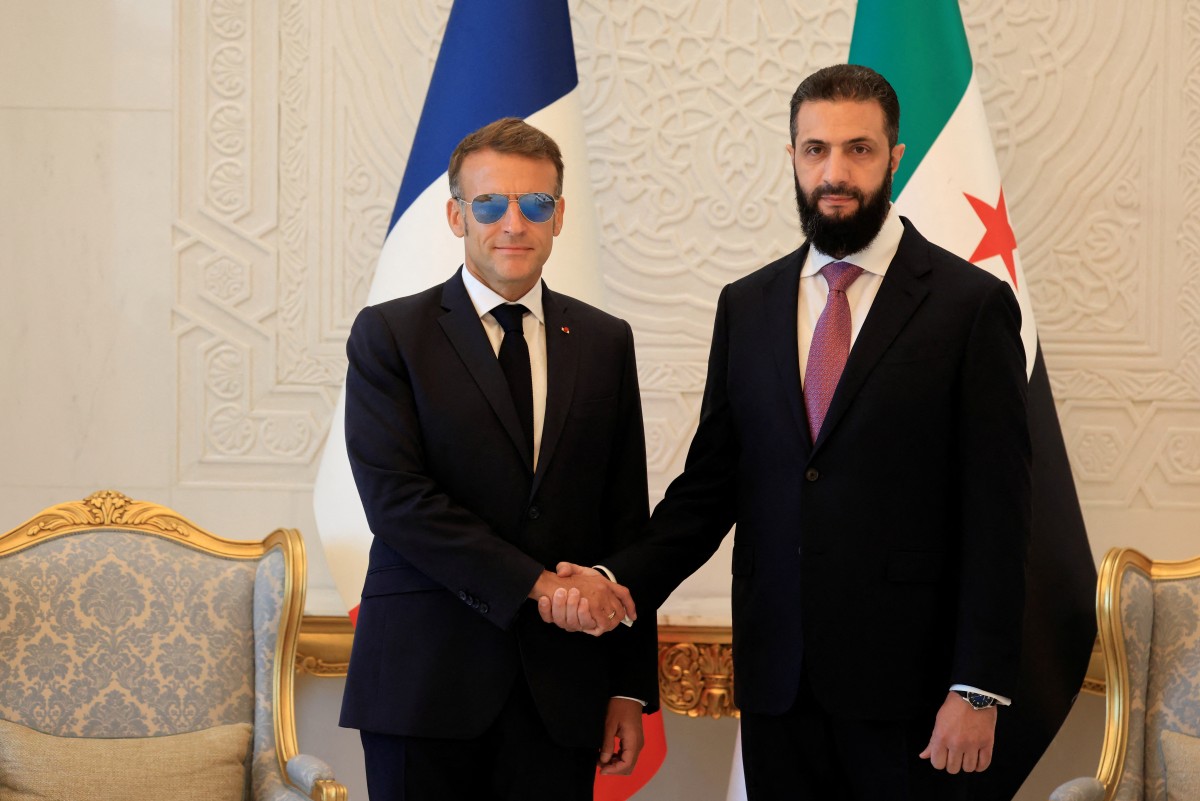
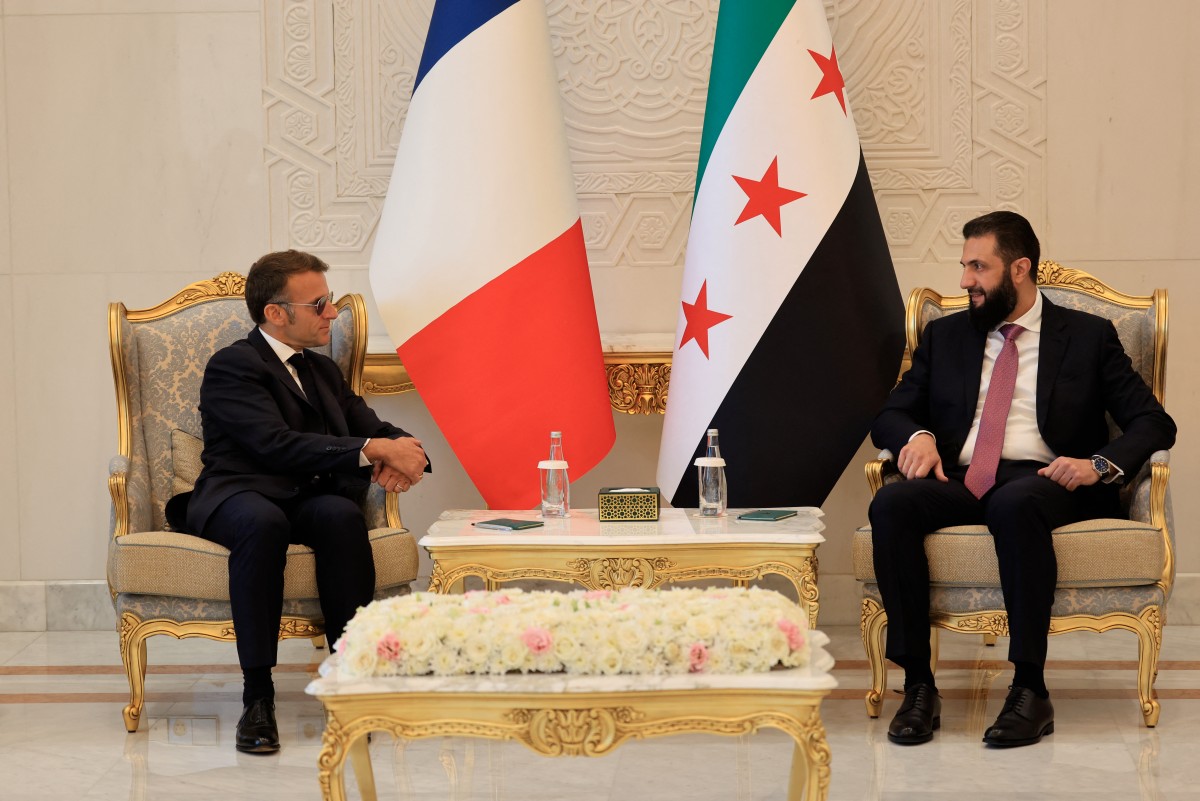
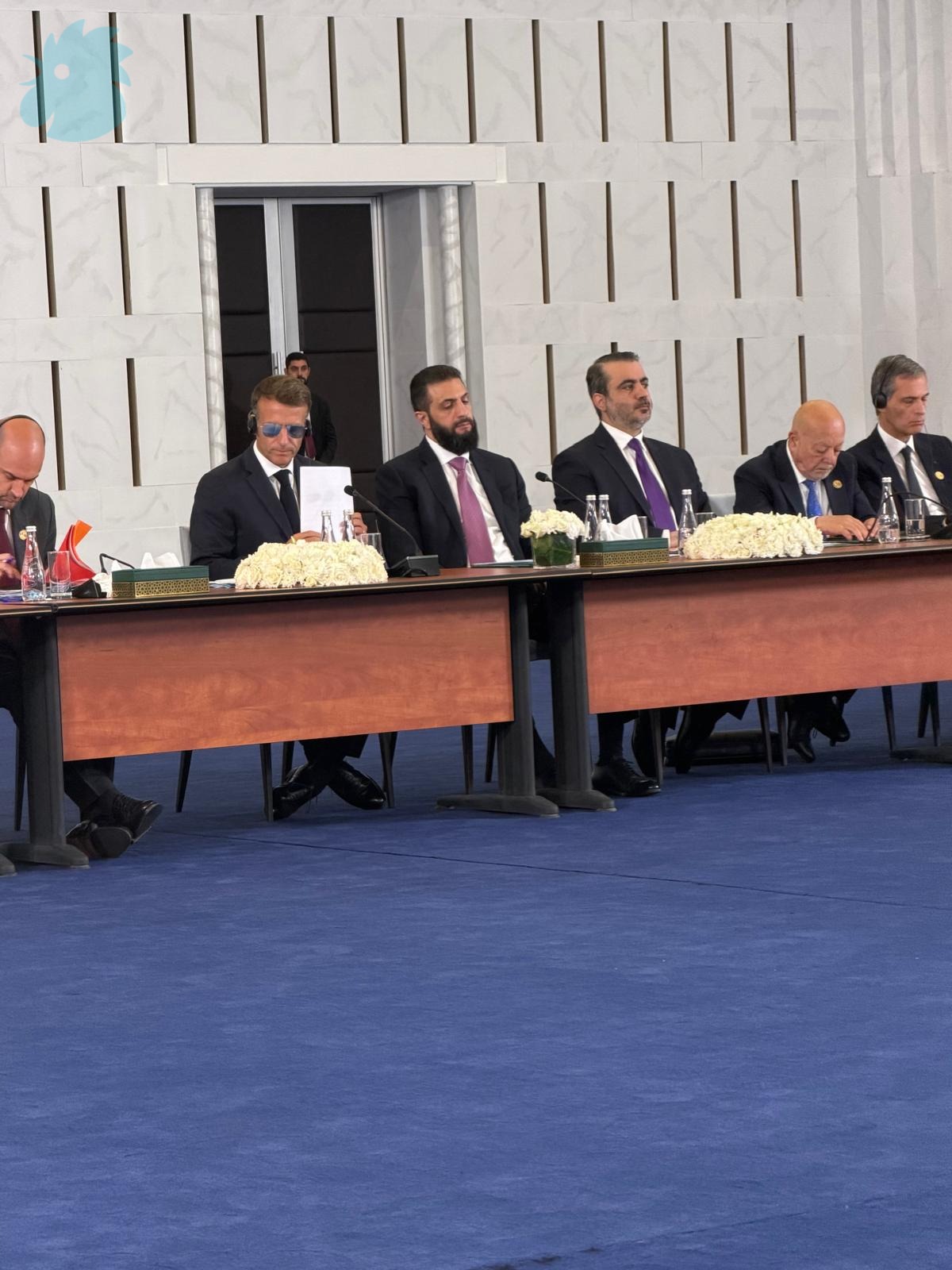
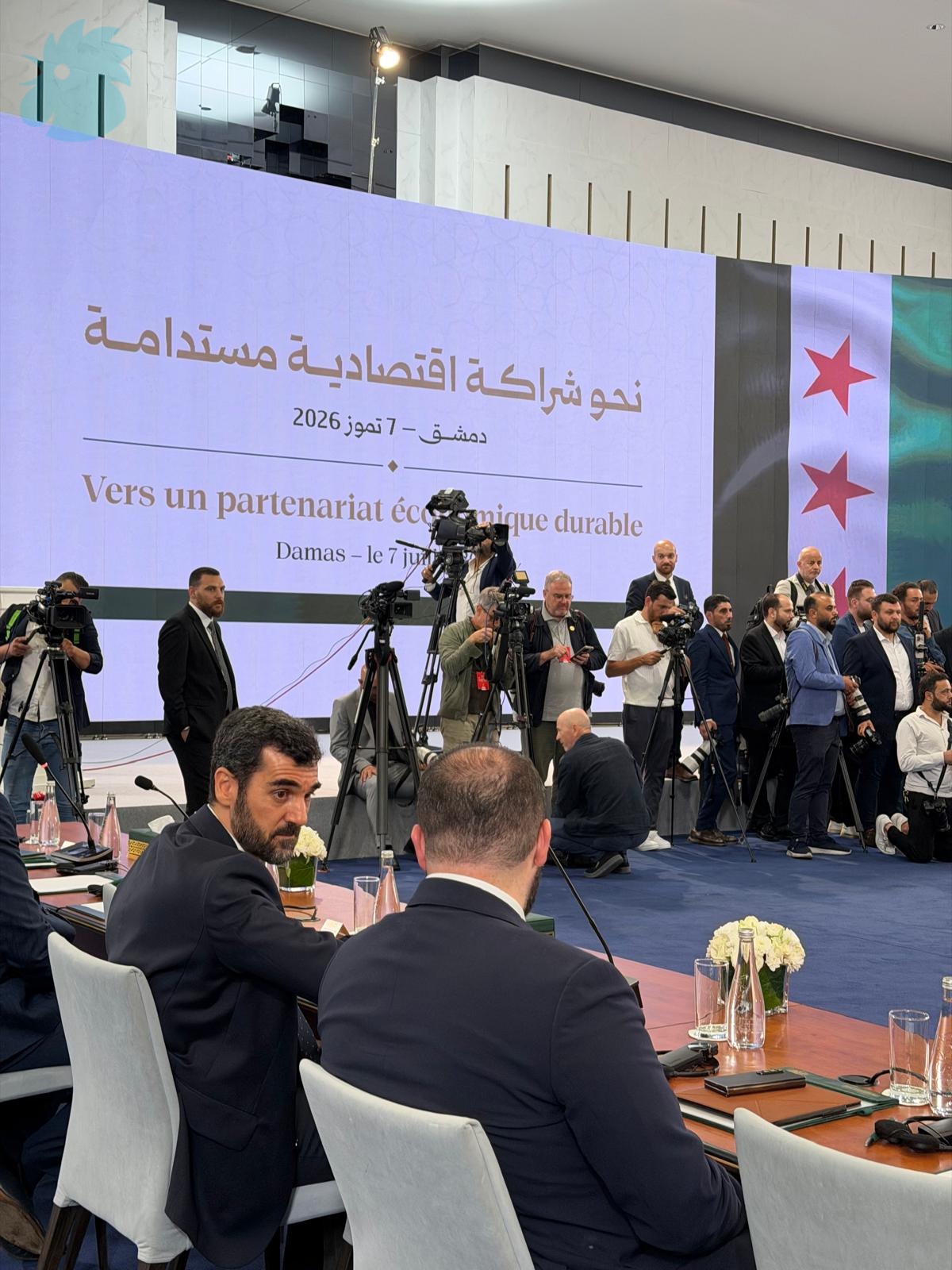
He made the remarks during a speech delivered while co-chairing a roundtable meeting with French President Emmanuel Macron between the Syrian and French delegations at the People's Palace in Damascus, ahead of the signing of several agreements and memorandums of understanding covering various investment sectors.
Al Sharaa opened his speech by welcoming Macron to "the new Syria," saying, "Today, this hall brings together leading figures in industry and the economy, along with those who manage global shipping fleets, manufacture aircraft, operate airports, and build energy and water networks. The People's Palace welcomes you to see a country that has chosen to rise and is opening its doors to those who wish to help build its future."
He added, "Syria enjoys a strategic location linking the Mediterranean with the Gulf and Iraq and is only a few hours by sea from Marseille. Following the Strait of Hormuz crisis, the world recognized the value of safe and stable trade routes in this region. This is where Syria's geography stands out, having regained its vital role as an indispensable hub in the global trade corridor network."
He continued, "Fourteen months ago, the CMA CGM Group signed a contract to develop the Port of Latakia with an investment of €230 million. Less than a year later, the group decided to invest an additional €200 million to expand the port's handling capacity."
He added, "I see a comprehensive roadmap for reconstruction and partnership. It includes a fully integrated plan, from renewing our national aircraft fleet, operating our airports, and modernizing air navigation systems, to exploring energy resources in our territorial waters, upgrading electricity and water networks, and extending to university hospitals, the food industry, digital infrastructure, and the civil registry."
He pointed out that "Our industrial cities are ready to serve as a launchpad for your manufacturing operations. This is supported by our commitment to Syria's revival through a sovereign national decision, as we are building a modern investment environment governed by the rule of law and strong institutions."
He stressed that "The strategic partnership we are establishing with France is a model for the kind of relationship we seek with Europe and the rest of the world, a partnership built on shared interests that serve our two peoples, rather than on slogans."
Patrick Pouyanné, Chairman and Chief Executive Officer of TotalEnergies, said that Syria could become an "important transit country" for oil transported from Iraq to the Mediterranean Sea and could provide "alternative routes" to the Strait of Hormuz.
Speaking to reporters on the sidelines of Emmanuel Macron's unprecedented visit to Syria, Pouyanné said, "It is clear that the security situation does not yet allow operations, but I believe that coming here to Damascus is a positive initiative." His remarks came before two explosive devices detonated near Macron's accommodation in central Damascus.
He added, "Syria is a country located at a strategic crossroads in the Middle East," explaining that what occurred in the Strait of Hormuz during the joint US and Israeli war against Iran has further increased Syria's importance, as "it has become clear that if we want to invest in the Middle East, we will need to identify alternative routes."
In May 2026, Syria signed a memorandum of understanding with ConocoPhillips, TotalEnergies, and QatarEnergy to explore oil and gas resources in Syria's territorial waters.
Pouyanné said that his company had signed the memorandum of understanding but does not yet have any specific projects in the country. He explained that his visit alongside the French president was intended to meet with the Syrian authorities and strengthen ties with them.
He also stressed that, after 13 years of civil war, "the government must be given time to establish its authority across the country," adding, "We should not expect too much. We need to be patient."
In a speech delivered during an economic forum held with Macron at the Presidential Palace, attended by the heads of major French companies including Pouyanné, Ahmed al-Sharaa said, "What we ask of you today is to build genuine, long term partnerships with the Syrian private sector. More importantly, we hope to move today from memorandums of understanding to implementation contracts with clearly defined timelines."
The French president confirmed that his official visit to Damascus would continue as planned despite the two explosions.
In a post on X, Macron wrote, "Nothing can extinguish the aspirations of Syrian women and men to live in a fully sovereign, safe, multicultural, and united Syria."
He added, "This morning, I discovered Syria in all its diversity, and I witnessed its dignity, courage, and determination."
He concluded his message by reaffirming that his visit would continue, saying, "My visit will continue."