

Trump vs. FIFA? The Balogun saga that changed the World Cup
A red card overturned before a World Cup clash sparks a global debate over FIFA’s rules, political influence and the future of the world’s most popular sport.



 Messenger
 Whatsapp
 Threads
 Email
Email
 Print
Print
 X
X
 Facebook
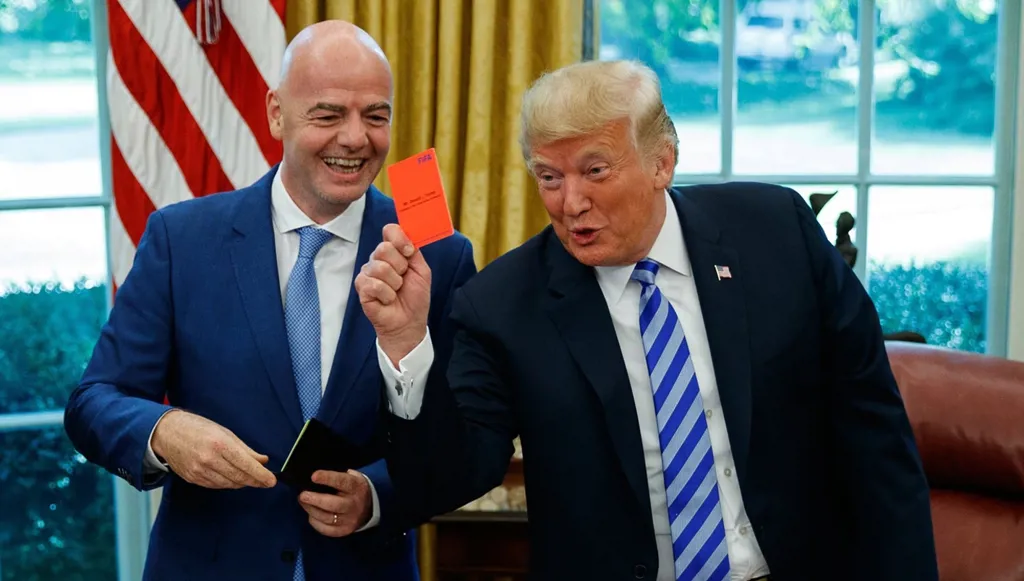


Who governs football: referees, the regulations of the international federation, or political phone calls? This has become one of the most widely debated questions in the corridors of the world’s most popular sport during the 2026 World Cup competitions in the United States, Canada, and Mexico.
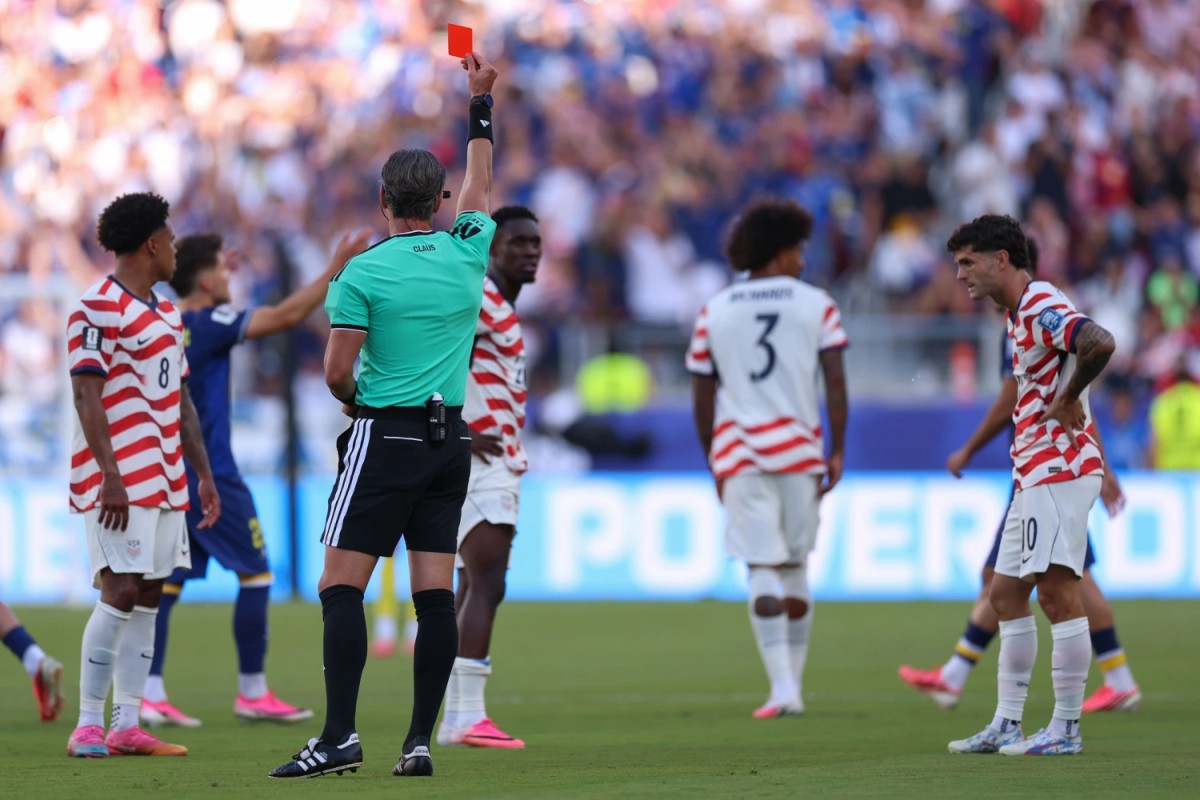
The reason is the case of American player Folarin Balogun, which has gone far beyond a simple red card that was overturned before a World Cup match, becoming one of the most significant crises FIFA has faced in its modern history.
The controversy has sparked harsh criticism against the world’s most powerful sporting organization, with questions emerging over whether its regulations can be altered by a phone call or directive from U.S. President Donald Trump. This has raised concerns that political power balances could become the true authority shaping football’s laws when it comes to the world’s strongest country.
The Infantino Predicament
Several reports have revealed a major dilemma facing FIFA President Gianni Infantino, who received a call from Trump. The repercussions extend beyond allowing Balogun to play against Belgium in the quarter-finals; they have also placed FIFA under suspicion of willingly falling under political influence.
Trump confirmed that he asked Infantino to review Balogun’s dismissal, describing the decision as “appalling,” while denying that he requested its cancellation. He also criticized Brazilian referee Raphael Claus, who issued the red card, describing him as “somewhat suspicious if verified from his records.”
The strongest reaction came from UEFA, which abandoned diplomatic language and directly accused FIFA of “crossing the red line.” The continental governing body described the decision as “incomprehensible and unjustifiable,” warning that “when the guardians of the game no longer guarantee the certainty of the rules, the integrity of the game is at stake.”
"This is Our Game, Not Theirs"
The controversy did not stop at football organizations. Criticism came from various directions, but the most notable response came from Germany’s new national team coach Jürgen Klopp, one of the most respected figures in modern football. He summarized the crisis in a phrase that is likely to be remembered: “This is our game, not theirs.”
Klopp then launched a direct criticism of Trump and Infantino, saying: “If Trump and Infantino arranged this matter between them indeed, then it’s madness… It puts everything under question.” He added his strongest remark: “These two individuals, neither of whom knows anything about football, should have no role in it.”
Meanwhile, the Belgian federation expressed its “astonishment” and began examining all legal options, while the “Red Devils” coach Rudi Garcia mocked the situation, saying: “I didn’t know that July 5th became April 1st.”
Many fans believe that FIFA changed the tournament’s rules while the competition was still underway. However, what makes the Balogun case more dangerous than previous refereeing controversies is that it does not appear to be an isolated incident, but rather a new link in a chain of events that began more than a decade ago.
The Path of American Intervention
In 2015, the United States, through the Department of Justice and security agencies, launched the largest legal campaign against FIFA in its history. The operation not only brought down major figures but also reshaped the balance of power within the organization.
Since Gianni Infantino became FIFA president, the United States has gradually shifted from being merely an important football market to becoming a center of influence within the sport.
This influence has been reflected in several developments, including the expansion of the World Cup to 48 teams, the creation of the new Club World Cup, growing American investments, commercial influence, and Infantino’s close personal relationship with Trump.
From these developments to the Balogun case, each event may appear separate, but when viewed together, they create a very different picture.
Infantino: Just a Puppet?
Former FIFA presidential candidate and Trinidadian senator David Nakhid said that “FIFA has lost all credibility.”
In an exclusive interview with Annahar, he stated: “What this incident proves is that FIFA has lost all its credibility, not only because it agreed to the American president Donald Trump’s request to revoke the red card for player Folarin Balogun, but also because the decision contradicts all principles of natural justice, specifically the principle of fairness toward other participating teams.”
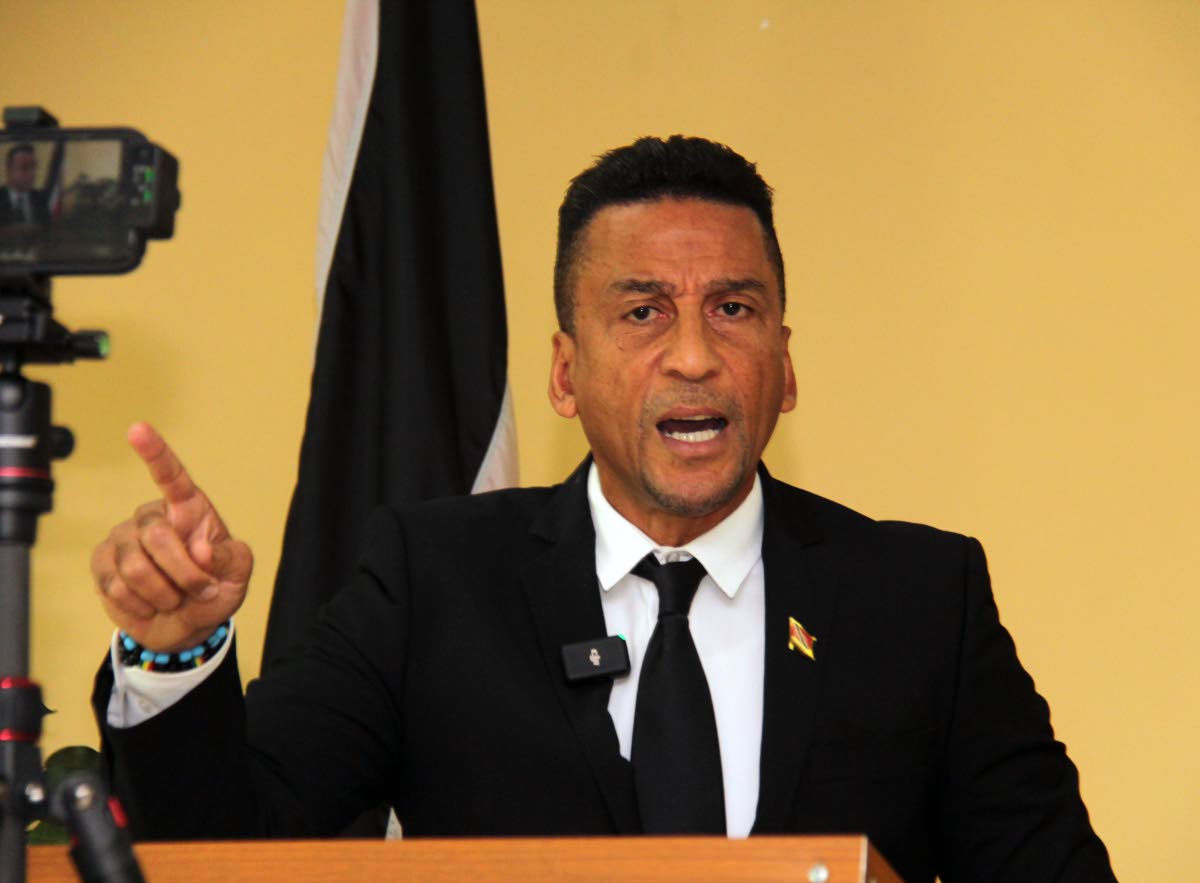
Nakhid added: “We do not know why the Belgian Football Federation does not take a firmer stance on what happened. Perhaps it has already taken certain steps, but it is required to adopt a stronger proactive position, along with other European federations, against what Donald Trump did and what Gianni Infantino accepted.”
The former Trinidad and Tobago national team captain continued: “Honestly, what concerns me is not the request issued by Trump, but Infantino’s position and his ability to protect this international game, which is very dear to our hearts as players, coaches, and administrators.”
He continued: “Infantino has proven to be just a puppet being manipulated, and has therefore become a source of shame and disgrace as the president of the international federation.”
He added: “From this perspective, I believe that Lebanon should revoke the honorary citizenship granted to him, as he did not offer anything to assist Palestine or Lebanon, despite everything they have gone through.”
Nakhid concluded: “FIFA has flagrantly violated its own regulations and created a dangerous precedent by effectively nullifying the consequences of a red card issued against a player in response to a request from a head of state. This incident is a stain that will remain with football, and everyone is called upon to declare their opposition to a leader acting in this manner from the position of FIFA presidency.”
Football's Independence?
The most dangerous consequence of Trump’s intervention is that it placed Gianni Infantino in a position from which it will be difficult to escape. The FIFA president may now face the same question with every controversial decision: Was it made according to the law, or according to the balance of power?

The Balogun case may end with the conclusion of the USA-Belgium match, but FIFA’s crisis appears likely to continue. Everyone in the global football community is subject to the same rules.
The battle today goes beyond Balogun, beyond Trump, and even beyond Infantino. It is a battle over the future of the game itself — a game meant to preserve its independence as a sport that speaks the language of peoples around the world collectively, rather than gradually becoming part of a system of American political influence.