

Oil tanker attack in Strait of Hormuz sparks US-Iran tensions
A new maritime escalation raises fears over the security of a key global oil route after a vessel was struck off Oman’s coast.



 Messenger
 Whatsapp
 Threads
 Email
Email
 Print
Print
 X
X
 Facebook
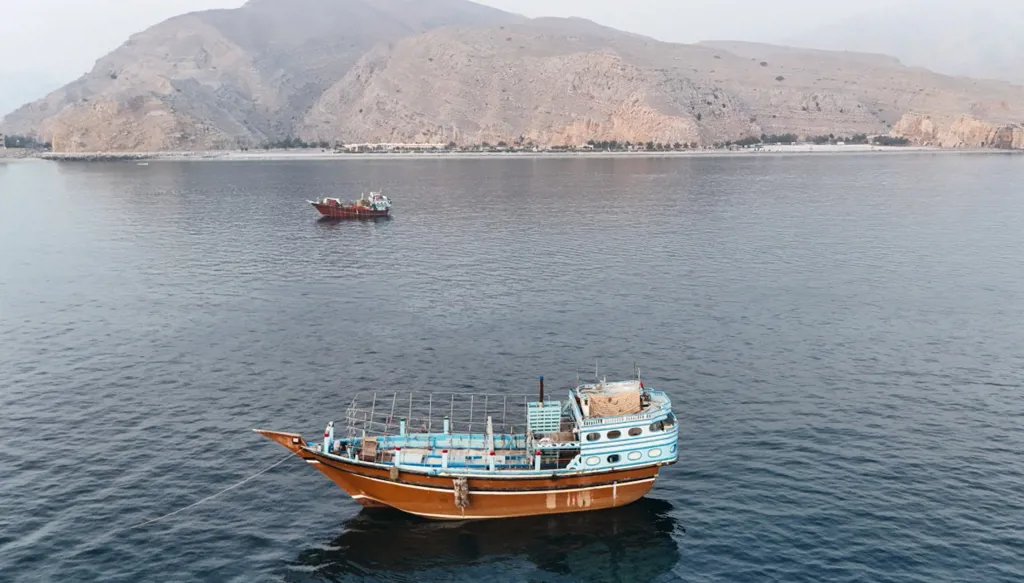


An oil tanker was struck by an unidentified projectile off the coast of Oman in the Strait of Hormuz region, the United Kingdom Maritime Trade Operations (UKMTO) reported on Monday. The U.S. accuses Iran's Islamic Revolutionary Guard Corps (IRGC) of carrying out the attack.
In a statement, the agency said the tanker reported being hit by an unidentified projectile on its left side, causing a fire to break out while it was sailing south. It added that the incident resulted in no casualties or environmental damage.
The attack occurred 8 nautical miles east of the city of Lima in Oman.
U.S. Accusation of Iranian Attack in Hormuz Strait
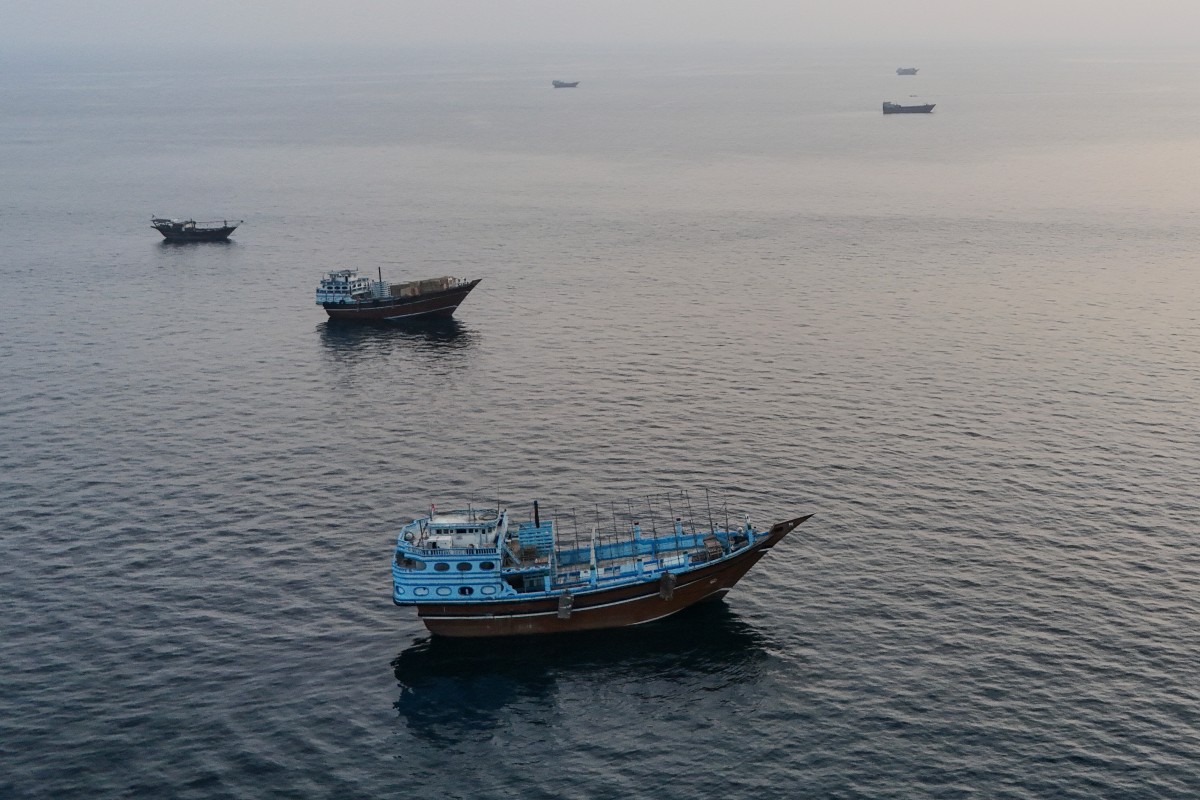
The website Axios, citing a U.S. official, reported that the Iranian Revolutionary Guard launched at least two missiles toward commercial ships passing through the Strait of Hormuz, causing significant damage to two vessels without any reported casualties.
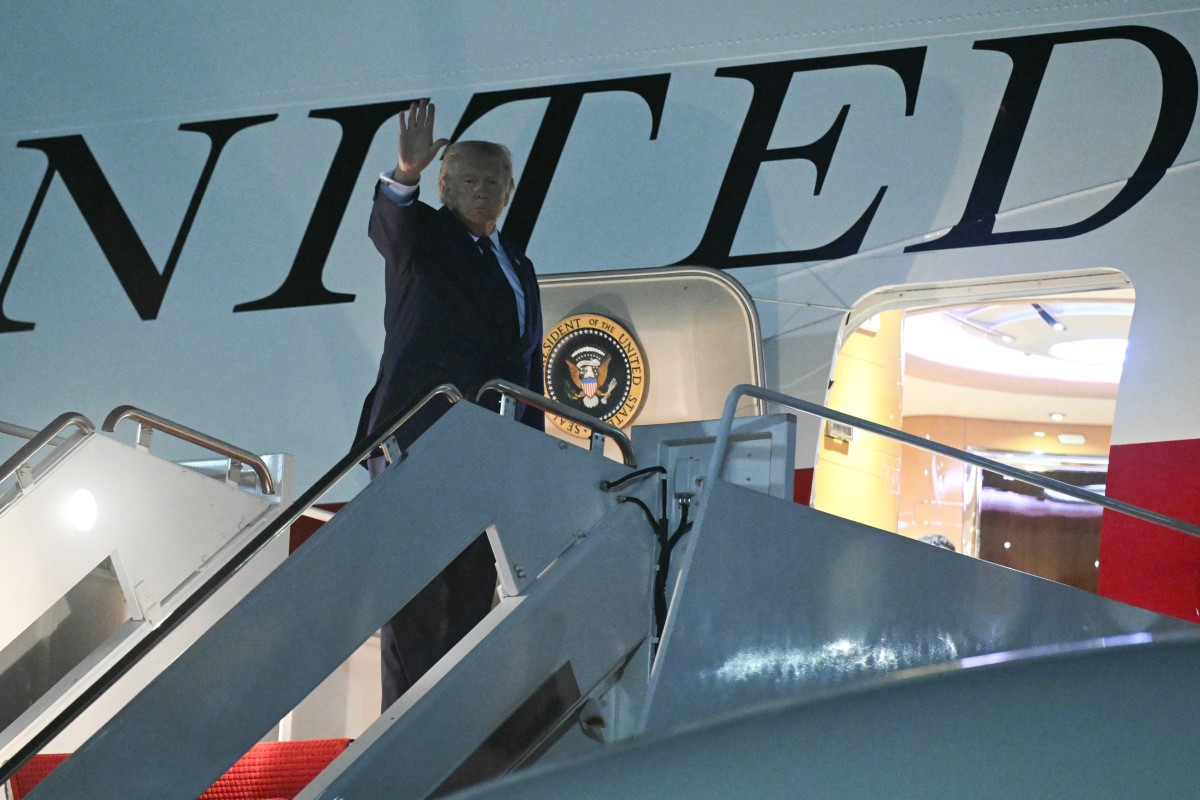
U.S. President Donald Trump said on Monday that the United States would either reach an agreement with Iran or “finish the mission.”
The Wall Street Journal reported on Monday, citing a recording it obtained, that the Iranian Revolutionary Guard had warned ships through maritime communication channels earlier this week, saying: “Our missiles and drones are ready to launch on you.”
The newspaper said one of the targeted ships appears to be the liquefied natural gas carrier Al Rakyat LNG carrier, owned and operated by Nakilat, the shipping arm of Qatar’s liquefied natural gas sector. It added that the vessel was struck on its left side above the engine room.
A recording obtained by the newspaper stated: “There is a fire in the engine room, and it is filled with smoke. We are unable to assess if there is further damage. All crew members are fine and gathered on the starboard side of the ship.”
The newspaper said the vessel was attacked near the entrance of the Strait of Hormuz in the Gulf of Oman.
Crisis in the Strait of Hormuz
Commercial ships have suffered significant damage amid the Middle East war since March 1, when Iran closed this vital waterway in response to U.S.-Israeli strikes against it, while the United States imposed a blockade on Iranian ports.
Maritime traffic resumed after an interim agreement between Washington and Tehran on June 17 to end the war. However, Iran, despite U.S. opposition, has repeatedly stated that there will be no return to the pre-conflict situation, when passage through the strait was unrestricted. Tehran has also threatened ships that attempt to avoid or bypass the only authorized route running along its coastline.
At the end of June, Washington accused Tehran of targeting two ships and carried out strikes on Iran in response, prompting Iran to target its Gulf neighbors, Kuwait and Bahrain. Iran and the United States later agreed to a temporary ceasefire.
The Strait of Hormuz is the main waterway connecting the oil-rich countries of the Middle East with global markets, particularly in Asia.
In 2024, around 20 million barrels of crude oil passed through the strait every day, accounting for nearly 20% of global liquid oil consumption, according to the U.S. Energy Information Administration.
Japanese-Owned Tankers Heading to the Strait of Hormuz
Meanwhile, shipping data from London Stock Exchange Group and Kpler showed that two additional giant tankers owned by Japanese companies and carrying Saudi oil were heading toward the Strait of Hormuz to exit the Gulf, joining a fleet of ships that had previously been stranded and departed on Monday.
Data from the London Stock Exchange Group indicated that Nippon Yusen KK owns and operates one of the tankers, while Kawasaki Kisen Kaisha owns and operates the other.
Kpler data showed that each vessel was carrying two million barrels of Saudi crude oil loaded in early March.
The move would bring the total amount of crude oil on Japan-linked ships leaving through the Strait of Hormuz to 16 million barrels this week, reducing the volume of oil stranded inside the Gulf.
On Monday, six giant crude oil tankers carrying around 12 million barrels of Middle Eastern crude crossed the strait, along with two chemical carriers, a vehicle carrier, and a container ship, all linked to Japan.
The tankers are carrying crude oil from Saudi Arabia, the UAE, and Qatar, loaded between late February and early March.
Most of these ships are managed by Japanese shipping company Mitsui O.S.K. Lines.