

Trump faces Iran, Ukraine crises at NATO Summit in Ankara
From competing diplomatic tracks in the Middle East to the war in Ukraine, the Ankara summit presents Trump with challenges far more difficult than his usual quick wins.



 Messenger
 Whatsapp
 Threads
 Email
Email
 Print
Print
 X
X
 Facebook
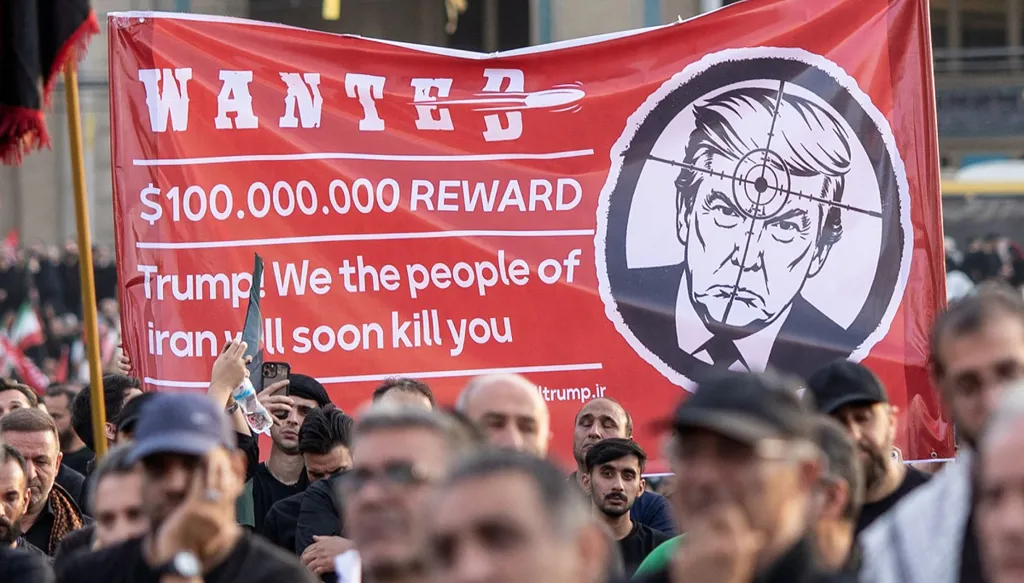


U.S. President Donald Trump is accustomed to securing quick and easy victories, even in sports. One example was when the International Federation of Association Football (FIFA), led by Gianni Infantino, complied with Trump's request to overturn the red card issued to U.S. star Florian Balogun for a rough challenge against Bosnia and Herzegovina, allowing him to play in the match against Belgium.
The challenges awaiting Trump at the NATO Summit, taking place Tuesday and Wednesday at the Presidential Complex in Ankara, will be far more difficult. In the Turkish capital, he will confront two major crises—Iran and Ukraine—while also managing increasingly complicated relations with allies who did not support him during the recent war with Iran. Trump has warned that he could treat those allies similarly if they seek U.S. assistance in the future and may even take the additional step of beginning to withdraw American forces from Europe.
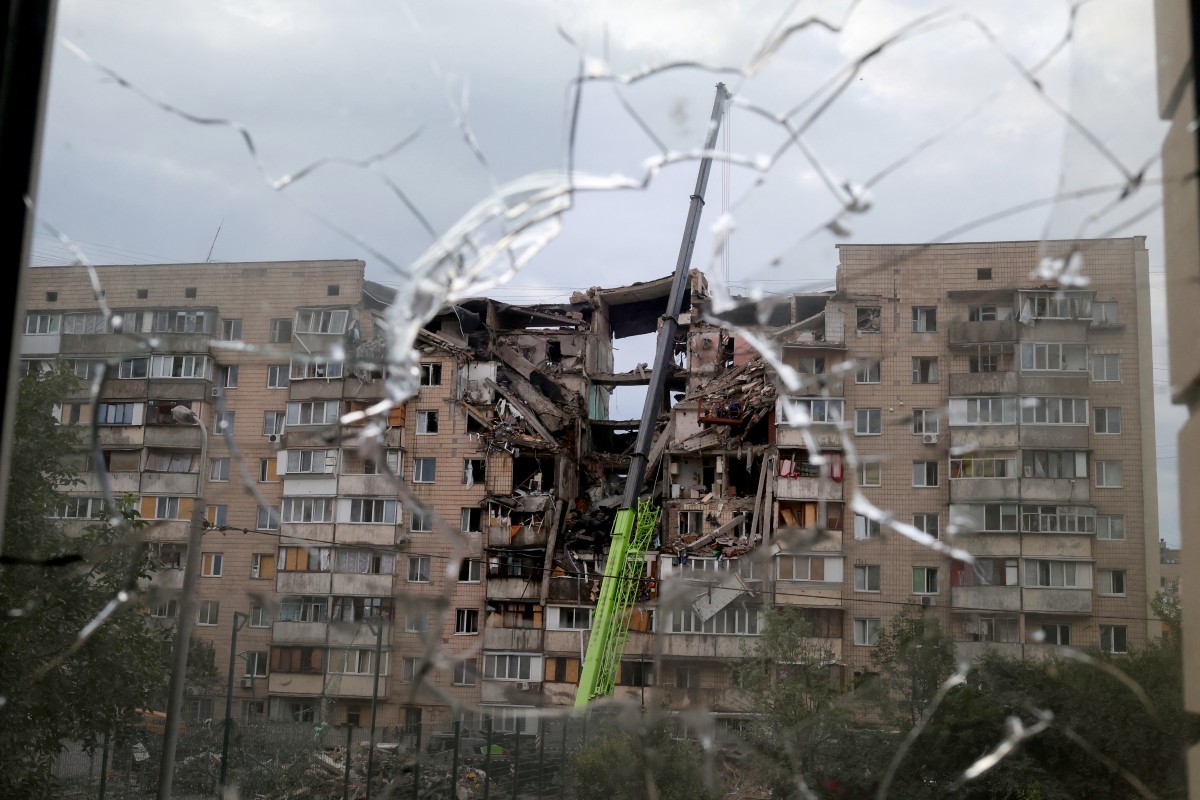
Iranian Messages and Competing Paths
The Iranian crisis has been postponed until after the funeral of Supreme Leader Ali Khamenei, who was killed on the first day of the U.S.-Israeli war on February 28. Trump, however, has not forgotten that Tehran sought to turn the funeral into a referendum on the legitimacy of the regime.
On Sunday, Iran's chief negotiator, Mohammad Bagher Ghalibaf, declared that "establishing peace in the region, Lebanon, and the Middle East is only possible through the Iranian path... We negotiate frankly and with a fighting spirit."
Ghalibaf's message to Trump was that Washington's sponsorship of last month's framework agreement between Lebanon and Israel, pursued separately from the Iranian track initiated through the memorandum of understanding between Washington and Tehran, is not the preferred path for Lebanon. Iranian officials have signaled that they will not sign a final agreement with the United States unless Washington pressures Israel to withdraw its troops from Lebanon as part of the broader Iranian track.
Israeli Prime Minister Benjamin Netanyahu, meanwhile, insists that the price of a final nuclear agreement between Trump and Iran cannot be U.S. pressure on Israel to withdraw from Lebanon. Netanyahu believes such a concession would amount to certain defeat in the upcoming fall elections.
Turkey, which views itself as a regional power entitled to a role in shaping the region's future, has also entered the competing diplomatic tracks. It sought to gauge reactions to a possible response to Trump's calls for Syrian President Ahmad Al-Sharaa to enter Lebanon, a move reflected in the visit of Syrian Foreign Minister Asaad Al-Shaibani—known for his close ties to the Turkish orbit—to Beirut and Tripoli last week.
Several questions now emerge. What will come out of a meeting between Trump and Al-Sharaa on the sidelines of the Ankara summit? Will the U.S. president repeat his request? And what if Trump asks Turkish President Recep Tayyip Erdogan to encourage Al-Sharaa to enter Lebanon as a way to curb Iranian influence?
Trump also brings some incentives for Erdogan. These include seriously considering bypassing Israeli objections to reintegrate Turkey into the F-35 fighter jet program, easing sanctions on Halkbank, which has been accused of helping Iran evade sanctions, and offering political support to Erdogan amid growing European pressure.
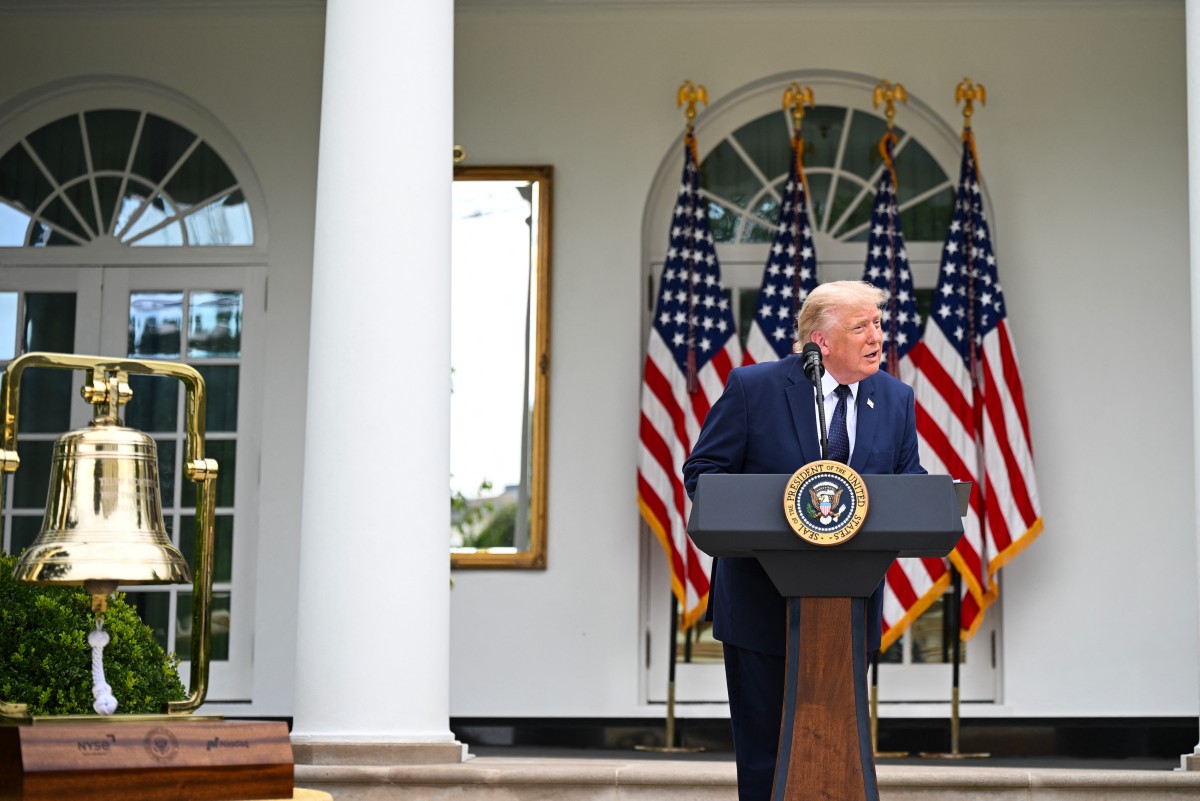
Ukraine Returns to the Forefront of the Summit
The latest escalation between Russia and Ukraine, with strikes hitting both Moscow and Kyiv, has pushed the war back to the top of the NATO agenda.
Trump is scheduled to meet Ukrainian President Volodymyr Zelensky on the sidelines of the summit on Wednesday, following a lengthy phone call with Russian President Vladimir Putin on Saturday. He appears to have found greater support for resuming U.S. mediation efforts and urgently dispatching envoys Steve Witkoff and Jared Kushner to both Russia and Ukraine.
From Iran to Ukraine, and from Syria and Lebanon to Israel, Trump faces a series of complex—and potentially intractable—challenges. Resolving them will be far more difficult than overturning a red card for American forward Balogun.