

Macron’s expected Damascus visit signals France’s bid for influence in post-Assad Syria



 Messenger
 Whatsapp
 Threads
 Email
Email
 Print
Print
 X
X
 Facebook
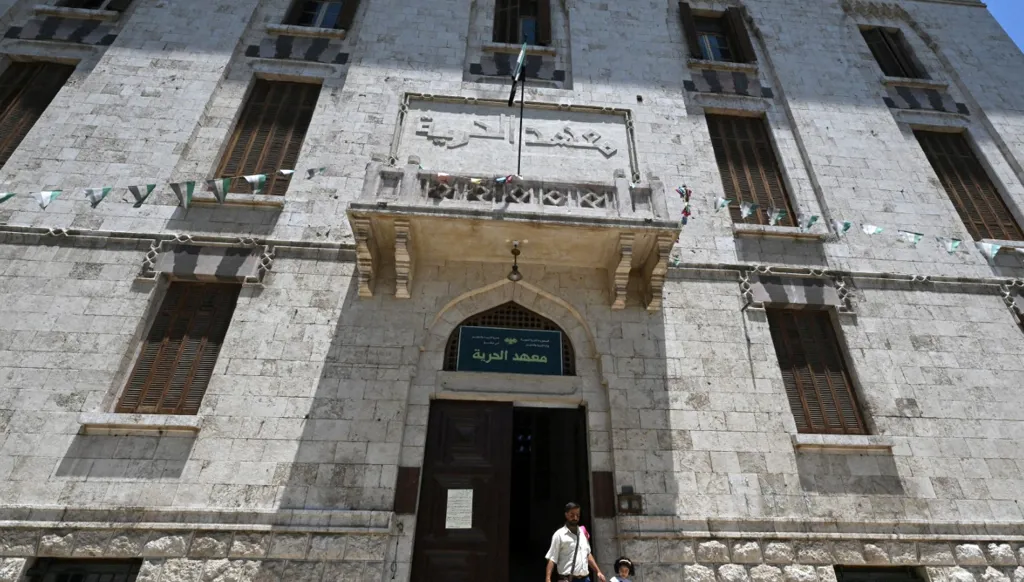


Emmanuel Macron’s anticipated visit to Damascus reflects Paris’s ambition to position itself as a diplomatically, economically, and security-influential actor during Syria’s transitional phase. However, France’s actions remain heavily dependent on key allies, particularly Washington and the Gulf states, which play a decisive role in shaping the country’s future.
Supporting Political Transition
Syrian President Ahmad Al-Sharaa led an Islamic military coalition that ousted the Bashar al-Assad regime in December 2024. A five-year transitional period began in March 2025, set to conclude with general elections. Macron, who would become the first Western leader to visit Syria since the fall of the previous regime, has opted to support the Islamic coalition led by Al-Sharaa, while urging the Syrian president to guarantee the “protection of all Syrians without exception, regardless of their origin, religion, beliefs, or opinions.”
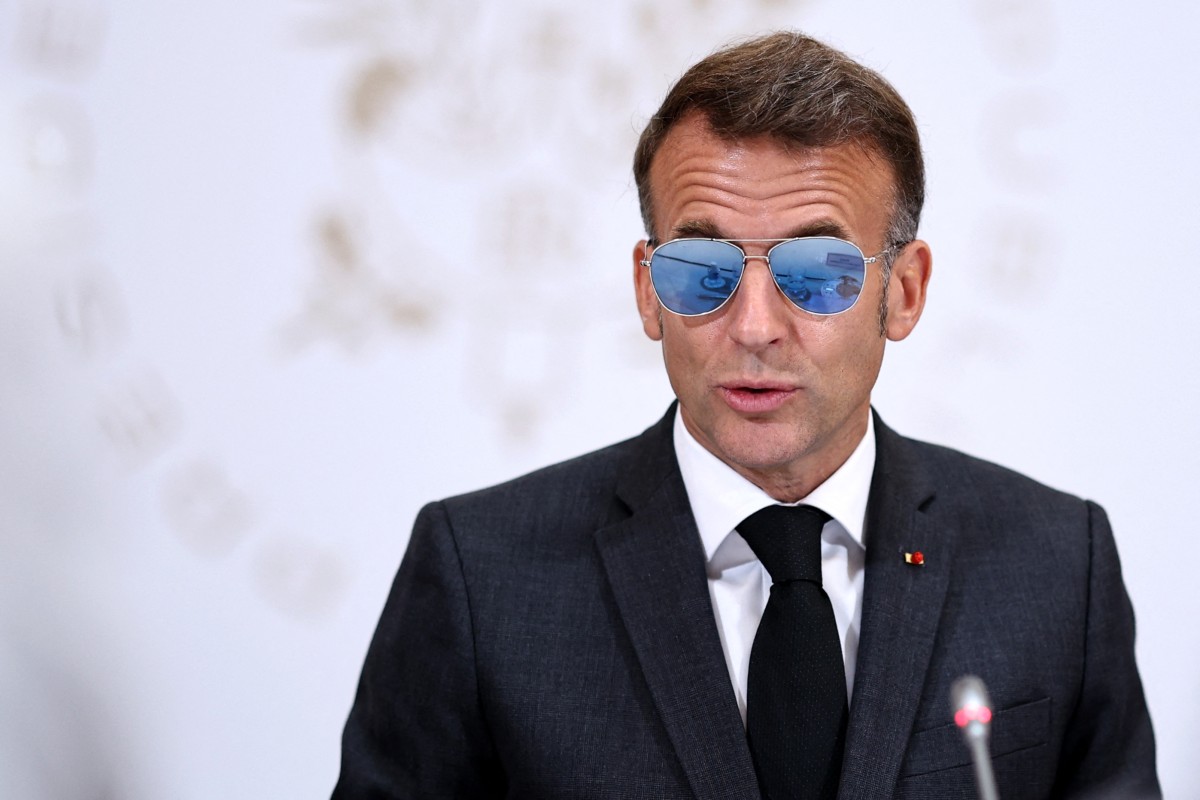
France places particular importance on minority protection, following massacres targeting Alawites on Syria’s coast in March 2025 and deadly clashes with Druze fighters in Suwaida Province in July 2025.
Paris also continues to support the Kurds, who played a key role in the fight against ISIS, while pushing for the integration of Kurdish institutions and armed forces into the Syrian state structure. France remains committed within the international coalition against ISIS, fearing a resurgence of the group that could threaten European security. In early January, France joined the UK in airstrikes targeting ISIS infrastructure in Syria. Although the group was defeated in 2019 after controlling vast areas, including Palmyra, its fighters remain entrenched in Syria’s desert, carrying out sporadic attacks. Macron is also expected to address the issue of French jihadists, particularly those led by French-Senegalese Omar Diaby (known as Omar Omsen), who are entrenched in a camp in the Harim area near the Turkish border.
Supporting Reconstruction
The World Bank estimates Syria’s reconstruction cost at over $216 billion. French researcher Fabrice Balanche, a specialist in Syrian affairs, notes that the country is “drowning in an economic crisis and lacking everything,” with its resilience relying mainly on funds sent by Syrians abroad. He adds that around 1.5 million Syrians live in Europe, alongside large communities in Turkey, Lebanon, and elsewhere.
According to Balanche, reconstruction has not yet begun and largely depends on Gulf Arab states, which have shifted focus to the consequences of the war against Iran. Nevertheless, Macron is expected to be accompanied by a delegation of business leaders, with memorandums of understanding on the agenda.
Augustin de Castet, president of “Novacamp,” a company specializing in vital infrastructure, particularly water and energy in crisis regions, says that since the outbreak of the Ukraine crisis, a political will has emerged in France to encourage French companies to operate in crisis-stricken countries, including Syria. He adds that Syrian authorities are actively seeking to attract companies.
Novacamp is among French firms aiming to operate in Syria, alongside CMA CGM, which signed an agreement with Damascus in May 2025 to build a new dock at the Port of Latakia. However, de Castet warns that as long as sanctions remain in place, Syria will continue to face restrictions, noting that the International Monetary Fund has yet to open access to funding, which remains an obstacle to reconstruction financing.
Limited Diplomatic Role
Beyond reconstruction efforts aimed at stabilizing Syria, France is seeking to prevent Damascus from engaging in Lebanese affairs, while the United States encourages Syrian authorities to intervene to “deal” with Hezbollah. Denis Bouchard, former ambassador and expert at the French Institute of International Relations, says recent events show France is significantly marginalized in various Middle Eastern crises. He adds that it is extremely difficult for France, as for all European countries, to return to a sphere of influence under the current conditions, unless through EU funding.