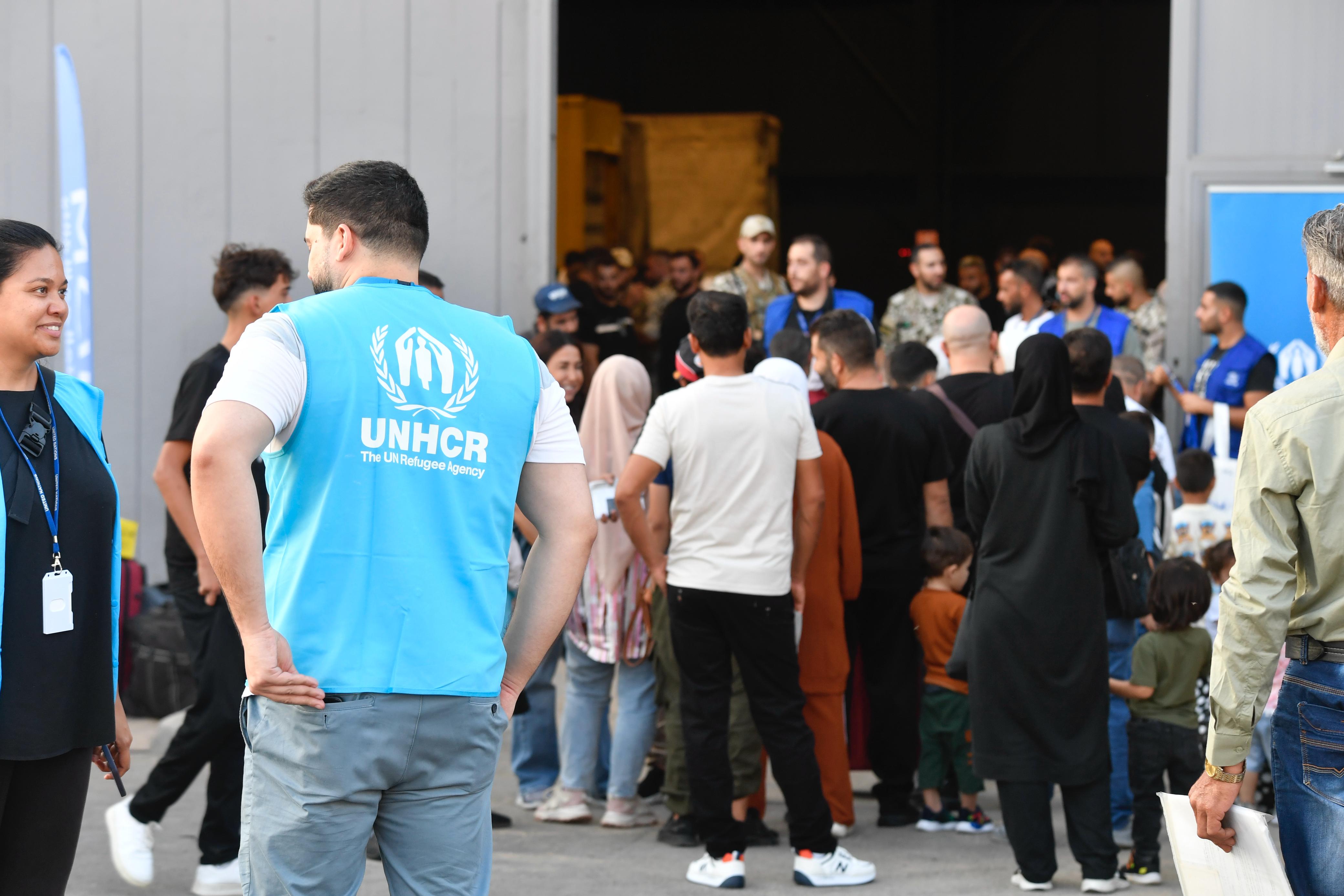
Syrian refugee numbers in Lebanon shift gradually amid war and cross-border returns
UNHCR reports no sharp decline, but steady returns driven by conflict, changing security, and movement between Lebanon and Syria.



 Messenger
 Whatsapp
 Threads
 Email
Email
 Print
Print
 X
X
 Facebook
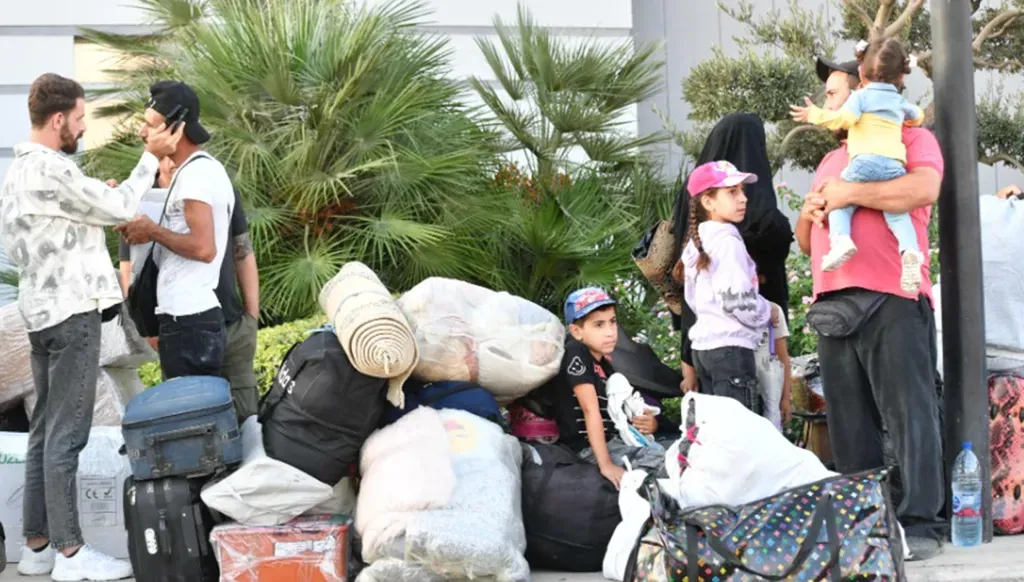


The United Nations High Commissioner for Refugees does not report a sharp or significant decrease in the number of Syrian refugees as a result of the March 2026 war. Instead, it states that the decline in numbers is the result of a gradual accumulation from late 2024 through 2026, driven by three main factors: voluntary returns, changes in security conditions, and ongoing movement between Lebanon and Syria.
Undoubtedly, the successive wars affecting Lebanon—and those taking place within its borders—have had a direct impact on living conditions, particularly for Syrian refugees, given the deterioration of services and the growing need for many to seek safer refuge within Lebanon.
During such periods of conflict and bombardment, Lebanon no longer serves as a safe haven for its citizens, let alone for hundreds of thousands of Syrians who originally fled war in their own country. Following recent developments inside Syria, a significant number of refugees and families have preferred to return to their homeland rather than remain in a country experiencing repeated waves of war.
What numbers can be recorded in this context?
At the beginning of the war that broke out in March 2026 between Israel and Lebanon, official figures indicated:
• About 200,000 people crossed from Lebanon to Syria between March 2 and March 27, 2026, according to Syrian authorities.
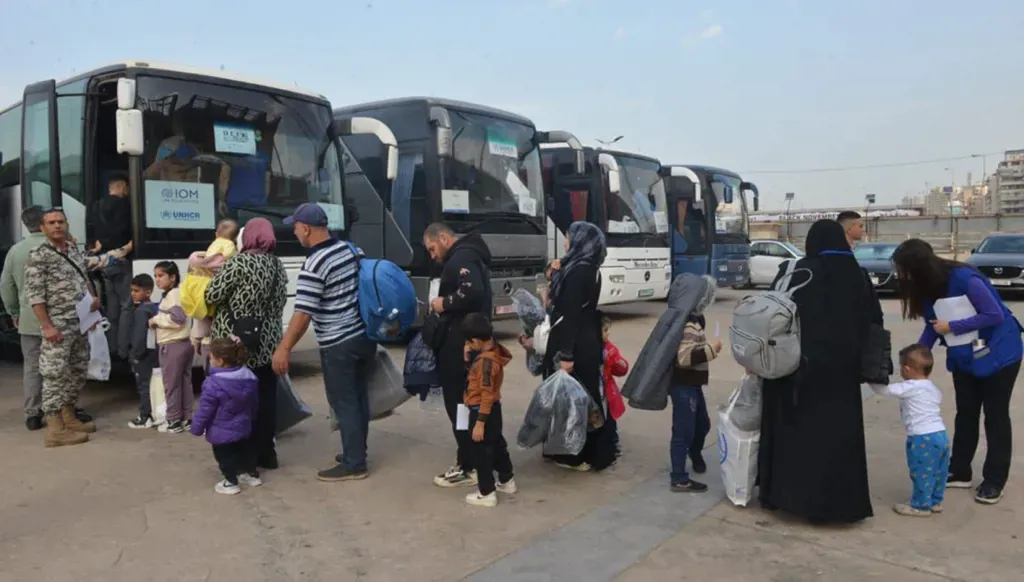
• Figures from the United Nations High Commissioner for Refugees and the International Organization for Migration indicate the return of between 120,000 and 180,000 Syrians from Lebanon to Syria in the first weeks of the war alone.
• The Commissioner also reports that more than 609,000 Syrians returned between December 8, 2024 (the fall of Bashar al-Assad’s regime) and the end of April 2026.
• By May 31, 2026, the voluntary return program supported by the Commissioner recorded continued organized return operations from Lebanon to Syria, alongside widespread spontaneous returns.
The “International Information” study notes that return rates increased in two stages: after the fall of the regime in Syria in December 2024, and again after the war in Lebanon in March 2026, when returns rose due to worsening security and economic conditions in Lebanon.
It estimates that the number of Syrians remaining in Lebanon after these waves of return still ranges between approximately 800,000 and 900,000.
• Around 150,000 returned between the outbreak of the war in March 2026 and the end of May 2026, according to “International Information.”
• This figure aligns with data from the International Organization for Migration, which recorded between March 2 and June 1 the entry of 120,727 people from Lebanese territory into Syria
While “International Information” refers to the total number of people leaving Lebanon for Syria—whether voluntarily, due to security conditions, or through spontaneous movement—the official Lebanese authorities, particularly the Ministry of Social Affairs and Lebanese General Security, rely under the “organized return program” on different figures, meaning only those returning through the official government-led mechanism.
In this context, the Ministry of Social Affairs reports that nearly 380,000 Syrians have returned through coordination mechanisms with General Security and the Refugee Commissioner, with expectations of reaching 500,000 under the government plan, as cumulative figures not limited to the war period alone.