

Trump pushes Iran deal as Netanyahu seeks answers in Washington
The Israeli leader wants clarity on U.S.-Iran talks amid concerns over Lebanon, sanctions relief, and the future of regional security.



 Messenger
 Whatsapp
 Threads
 Email
Email
 Print
Print
 X
X
 Facebook
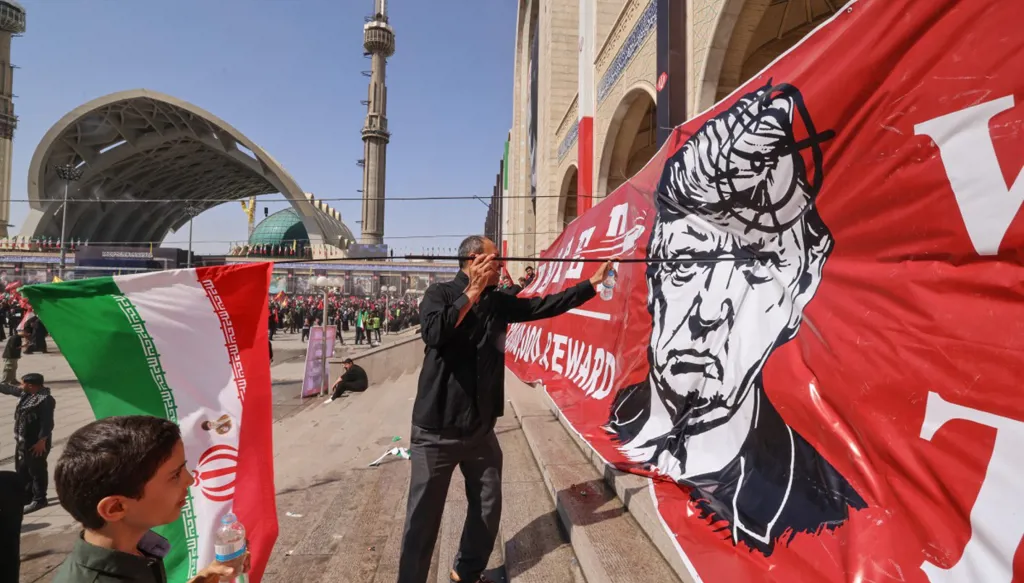


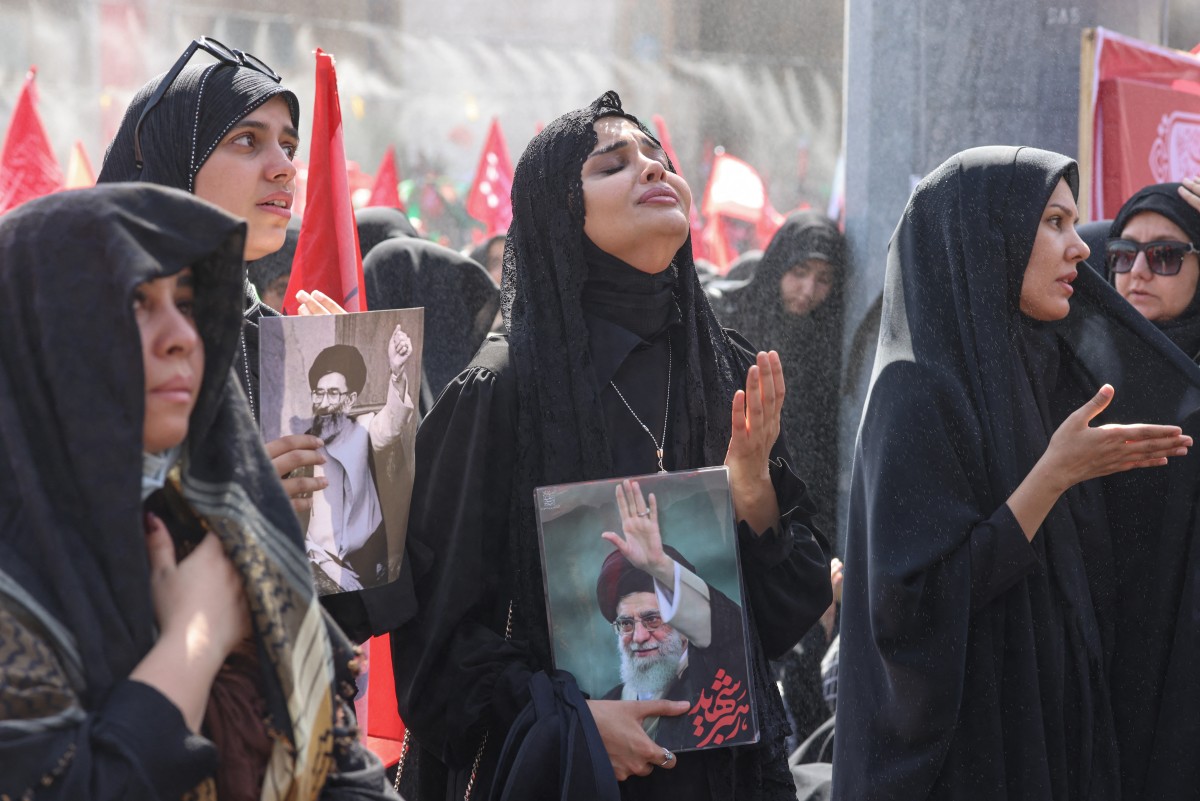
In his own way, U.S. President Donald Trump attended the funeral of former Iranian Supreme Leader Ali Khamenei, who was killed in the first strikes of the U.S.-Israeli war on February 28.
Trump said he had granted Tehran a one-week "vacation" from negotiations to allow it to complete the funeral ceremonies "out of kindness." He also reiterated his claim that the Iranians are "begging" to reach a deal with the United States.
However, Trump's remarks did not reflect the atmosphere surrounding the Doha negotiations last week. The issue of releasing $3 billion—part of the $6 billion frozen in Qatari banks—remained stalled over disagreements about how the funds would be spent.
At the same time, Tehran insisted on maintaining the Iranian shipping route for commercial vessels passing through the Strait of Hormuz and followed this with a warning to France and Britain not to intervene, in line with an agreement it had reached with the Sultanate of Oman to assist ships using the southern route through the strait.
Netanyahu Wants to Know the Limits of the Agreement
At this juncture, reports emerged of a possible visit by Israeli Prime Minister Benjamin Netanyahu to Washington this week or next. Netanyahu wants to gain a clearer understanding of how far the U.S.-Iran negotiations have progressed, particularly since they have not yet addressed the nuclear file, which remains the most complex issue and one of the principal objectives of the U.S.-Israeli war against Iran.
The technical negotiations between the United States and Iran, which have continued since the signing of the memorandum of understanding on June 17, have been accompanied by U.S.-Israeli tensions. Trump came to believe that Netanyahu was attempting to undermine the memorandum by escalating the situation in Lebanon. The U.S. president succeeded in imposing restrictions on Israeli attacks after Iran threatened not to sign the "understanding" unless Israel committed to a ceasefire on "all fronts," including Lebanon, as stipulated in the memorandum.
Netanyahu partially complied with the ceasefire but did not withdraw from the "security zone" behind what became known as the "yellow line." He intends to campaign in the October elections on the basis of Israel retaining the "yellow lines" in Lebanon, Gaza, and Syria.
Netanyahu also wants Trump to accept Israel's continued occupation of part of southern Lebanon and not pressure him to withdraw, whether under the memorandum of understanding with Iran or the "framework agreement" between Lebanon and Israel, at least before the Israeli elections, as any withdrawal would cost him political support.
Israeli Concerns About American Concessions
At the same time, Netanyahu understands that Trump genuinely wants to reach a deal with Iran. He is concerned that the U.S. president's determination to secure an agreement before the U.S. midterm elections could result in renewed pressure on Israel to withdraw from southern Lebanon or in the lifting of sanctions on Iran, providing Tehran with resources to rebuild its military capabilities and support its regional allies.
The last time Netanyahu met Trump was on March 11. On that occasion, he persuaded the U.S. president to launch a joint war on Iran, arguing that the regime in Tehran would collapse simply through the assassination of its leader, Ali Khamenei. The war lasted 40 days, but the regime did not fall. Instead, Iran responded by closing the Strait of Hormuz, triggering the most severe energy shock since 1973, targeting the Arab Gulf states, and activating the Lebanon front.
When the war reached a stalemate, Trump returned to the diplomatic track in an effort to secure an agreement that would reopen the Strait of Hormuz and seek a solution to the Iranian nuclear issue.
Following the announcement of the new meeting with Netanyahu, Trump was quick to stress that the Israeli prime minister "knows who the leader is," signaling that the course of events in the Middle East is, this time, in the hands of the U.S. president.
Disclaimer: The opinions expressed by the writers are their own and do not necessarily represent the views of Annahar.