

Lebanon-Iran row deepens over envoy status and proposed war monitoring Mechanism



 Messenger
 Whatsapp
 Threads
 Email
Email
 Print
Print
 X
X
 Facebook
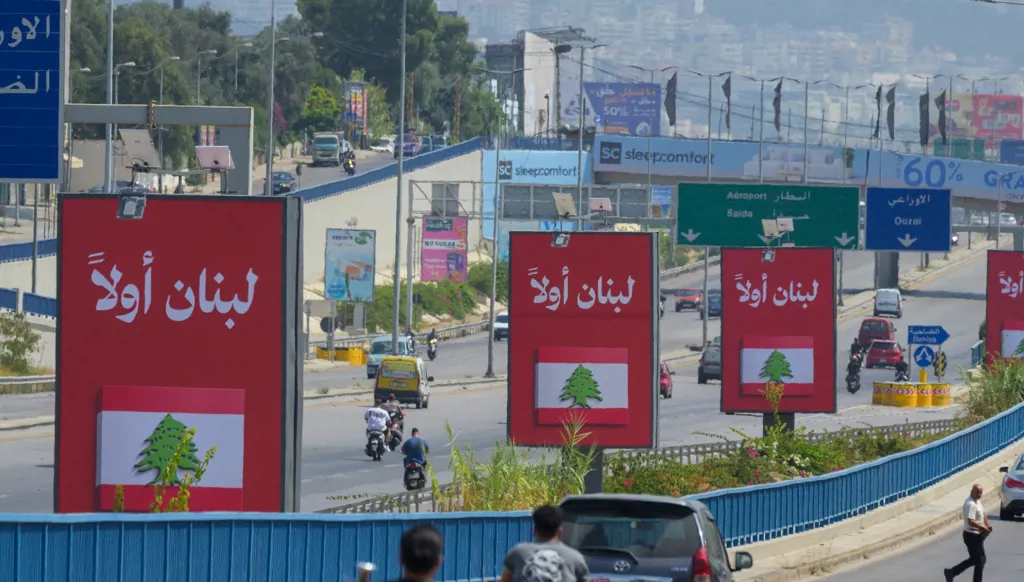


Iranian Parliament Speaker Mohammad Bagher Ghalibaf announced on Tuesday, June 30, that—with the participation of Qatari and Pakistani mediators—a joint committee comprising Iran, the United States, and Lebanon will be formed to monitor the implementation of ending the war in Lebanon.
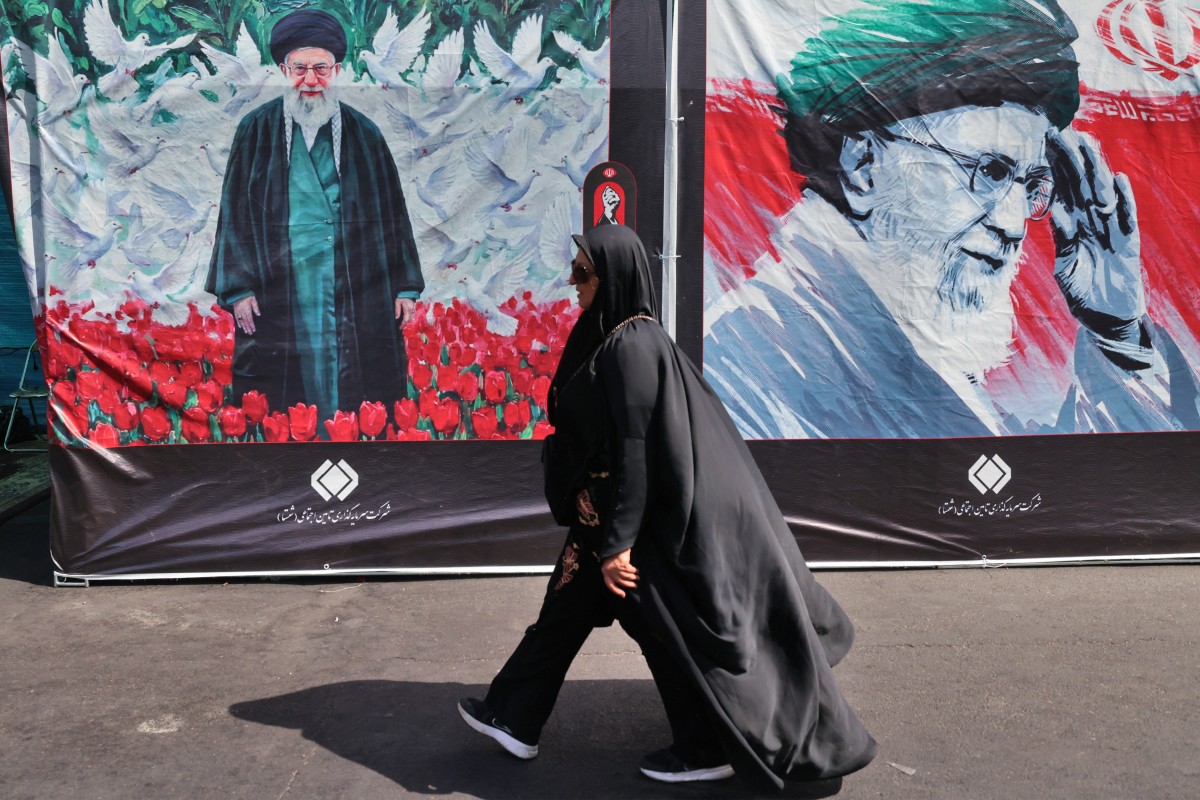
It has also been circulated that Iran is moving to assign new tasks to its ambassador, Mohammad Reza Shibani, whom Lebanon refused to accredit as Tehran’s ambassador to Beirut. Lebanon issued a decision declaring him persona non grata, and he did not present his credentials to the President. However, he remained at the embassy, backed by support from the Shiite duo, effectively challenging the Lebanese state’s decision and acting as Iran’s representative in the mentioned committee.
On May 21, sanctions imposed by the U.S. Department of the Treasury through the Office of Foreign Assets Control targeted nine individuals in Lebanon accused of obstructing the peace process and hindering efforts to disarm Hezbollah. Those sanctioned included MPs and security and military officials accused of maintaining the party’s influence within Lebanese state institutions. Among them was the Iranian ambassador-designate to Lebanon, Mohammad Reza Shibani, along with security officials from the Amal Movement led by Parliament Speaker Nabih Berri.
No follow-up actions were taken on this matter, and no official comments were issued. Some interpreted it as a test balloon from Iran, while others argued that, if accurate, the move would be highly provocative and an insult to the Lebanese state, suggesting that Iran treats Lebanon as though it were within its sphere of control.
In addition to challenging the host state, Lebanon, it also reflects disregard on two levels: first, toward the receiving state, Lebanon, by the sending state, Iran; and second, toward international law itself, particularly Article 9 of the 1961 Vienna Convention on Diplomatic Relations.
Former ambassador Gaby Soufan, who has held several diplomatic positions, explains these two aspects. On the level of the receiving state, he notes that the Iranian Parliament Speaker appears to act as if Lebanon does not exist as a sovereign entity, effectively denying its status as a recognized state with international legitimacy and as a founding member of the United Nations, predating Iran’s membership.
He also disregards the Lebanese government’s decision to declare the appointed Iranian ambassador “persona non grata,” in accordance with Article 9 of the Vienna Convention on Diplomatic Relations, which grants the host state the right to take such a decision “at any time and without stating reasons.” Despite Lebanese criticisms regarding the ambassador, Article 9 typically applies in cases of misconduct, exceeding diplomatic boundaries, interference in domestic affairs, or threats to the host state’s national security.
Accordingly, if this Iranian initiative to assign new tasks to the rejected ambassador is confirmed, it would constitute a deliberate disregard for the requirements of international law in this regard. Declaring a diplomat persona non grata means the host state has withdrawn its trust and consent to maintain their diplomatic status, which obliges the sending state—here, Iran—to fulfill its obligations, most importantly under Article 9, namely “to recall the person concerned or terminate their functions with the mission.”
There is also another equally important dimension affecting international law itself. The Iranian official, in this context, appears to dismiss a fundamental principle of international law: that declaring a diplomat persona non grata is both a sovereign right and an established norm in international jurisprudence.
The purpose of the persona non grata rule is to impose limits on the broad immunities granted to diplomats. Therefore, turning this rule into a subject of negotiation or debate risks weakening its effectiveness and opening the door to unrestricted conduct within the host state, concludes Ambassador Soufan.
This raises several key questions, perhaps the most important being:
- Is Iran, which led Lebanon into a war that devastated its south and other regions, truly convinced that its appointed ambassador—without having submitted his credentials—can carry out his original or even emergency duties after losing the Lebanese state’s trust?
- Conversely, will the Lebanese state, which insists on safeguarding its sovereignty and is undergoing multiple tests in this regard, yield to pressure and restore confidence in an appointed ambassador after his misconduct and after his acceptance and accreditation were withdrawn? If it does so, would this not undermine its credibility and prospects for recovery, regardless of whether the United States initially accepts the participation of an ambassador already listed under sanctions?
Disclaimer: The opinions expressed by the writers are their own and do not necessarily represent the views of Annahar.