

Lebanon’s coastline: Between clean waters and persistent pollution hotspots
A national marine survey shows most monitored beaches are still suitable for swimming, but sewage discharge, uneven monitoring, and weak wastewater infrastructure continue to create sharp contrasts in water quality just meters apart.



 Messenger
 Whatsapp
 Threads
 Email
Email
 Print
Print
 X
X
 Facebook
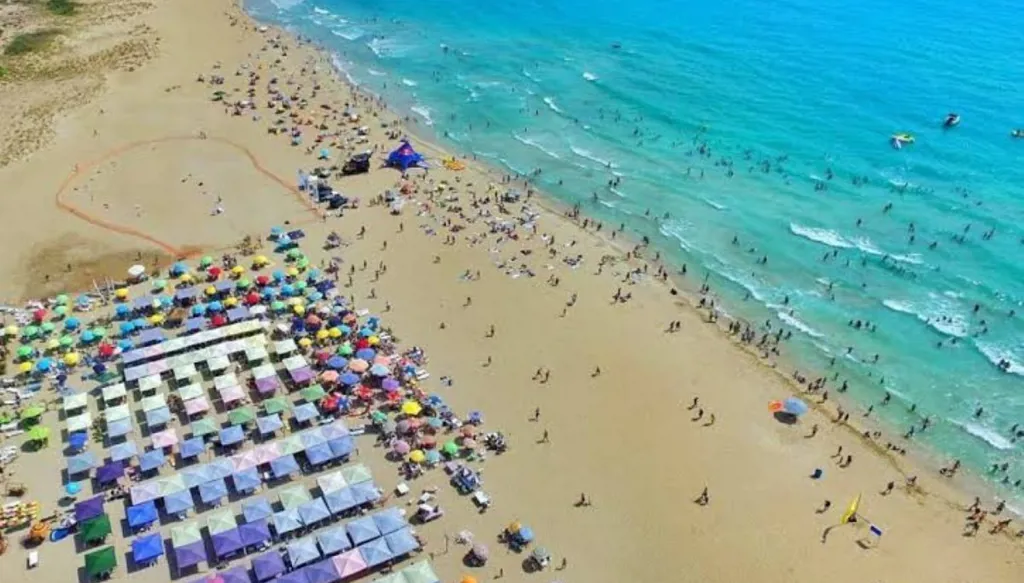
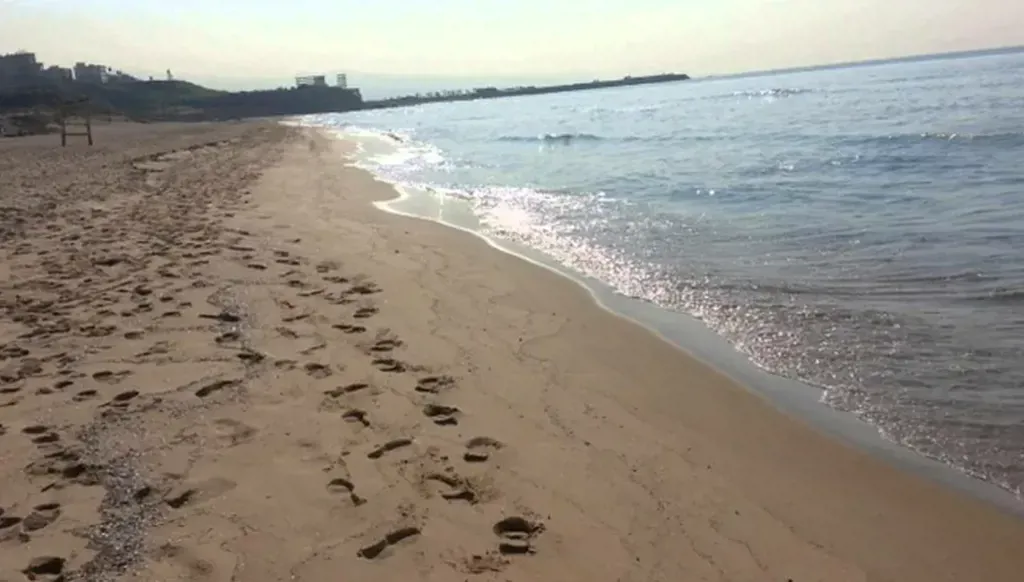


The annual report of the National Council for Scientific Research – National Center for Marine Sciences drew an updated map of the current state of the Lebanese coastline this year. It showed that 25 out of 37 monitored marine sites were classified as suitable for swimming, representing 68 percent of the studied locations.
Meanwhile, 13 percent of the beaches were classified as cautious areas, and 19 percent were classified as polluted or unsuitable for swimming, according to the World Health Organization standards for bathing water quality.
He explains that pollution sources discharge into specific locations, which is why nearby beaches are more affected than others. He adds that with wave movement and sea currents, pollution gradually becomes diluted, bacterial concentration decreases, and pollutants break down. For this reason, within the same area, one beach may be clean while another is polluted.
He also notes that the center has been monitoring the most frequently visited beaches for more than forty years, while gradually expanding the scope of monitoring according to available logistical capacity. He points out that the current report focuses only on bacterial pollution caused by sewage water, as it is the main source of marine pollution, while the center is preparing to launch chemical pollution analyses as well as studies on the impact of the war on seawater, sand, and fish resources once full access to all beaches is completed.
Compared with the 2025 report, four beaches showed improvement in water quality, moving from the cautious category to the good category. These are Qlayaat, Ain el Mreisseh, the public beach in Ghazieh, and Sarafand.
In contrast, water quality declined in six locations. The Damour beach moved from good to critical, with Fakhry stating that there is an intermittent source of pollution and that sewage appears to be released at certain times. The Jiyeh beach declined from good to polluted after repeated complaints about a pollution source in the area. The restaurant beach north of Tyre moved from cautious to critical. The Tyre nature reserve beach shifted from very good to good. Meanwhile, the Tripoli beach near the municipal stadium and the Aqibe river mouth beach declined from very good to good, while remaining suitable for swimming.
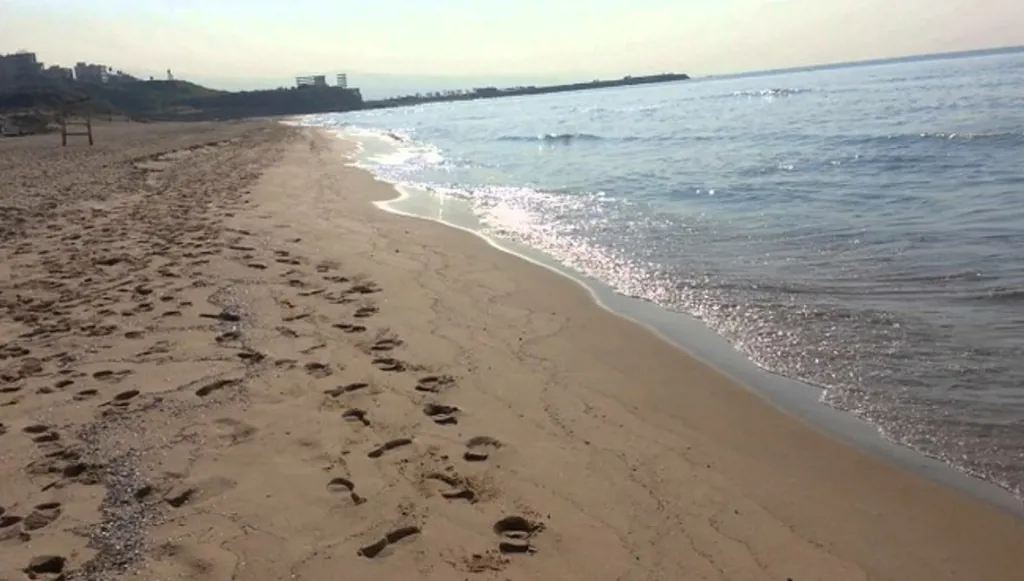
Fakhry specifically warned about Ramlet al Baida, saying that the water at Ramlet al Baida beach, which is considered one of the most important and largest beaches in Beirut, is heavily polluted. Despite this, thousands of people still go there, especially on weekends.
Health risks and shared responsibility
Fakhry warns that swimming in polluted water can lead to diarrhea and vomiting caused by bacterial infections and intestinal inflammation, in addition to skin problems and fungal infections, noting that the severity of symptoms varies depending on each person’s immune system.
He stresses that addressing the problem is a shared responsibility between the government, relevant ministries, the Council for Development and Reconstruction, municipalities, and water authorities. He emphasizes the need to reactivate and upgrade non-operational wastewater treatment plants, increase their number—especially in Beirut, Jdeideh, and Bourj Hammoud—and complete sewage networks, particularly in Beirut, Jdeideh, and Bourj Hammoud.
In contrast, he attributes part of the responsibility to citizens, saying: “We go down to the beaches and find huge amounts of solid waste and plastic, and even after cleaning them, the waste returns the next day.” He reveals that some beaches record more than 25,000 pieces of waste within an area not exceeding 100 meters, calling on Lebanese people to build a culture of keeping beaches clean as they do with their homes.
Is the situation alarming?
Despite ongoing pollution in several locations, Fakhry does not consider the overall situation to have reached a critical nationwide level, stressing that “the number of clean beaches is greater than polluted ones, which means pollution remains limited unless its sources increase.”
He notes that wastewater treatment plant rehabilitation projects are progressing with support from UNICEF, which has adopted the rehabilitation and operation of several plants in Selaata, Tripoli, Ghadir, Sidon, and others, aiming to reduce sewage discharge into the sea and improve water quality along the Lebanese coast, hoping these steps will help reduce pollution.