

Lebanon to boost garlic and onion production through new agricultural committee
Amid growing import dependence, the Agriculture Ministry launches sectoral committees to strengthen local production, improve value chains, and advance toward self-sufficiency.



 Messenger
 Whatsapp
 Threads
 Email
Email
 Print
Print
 X
X
 Facebook
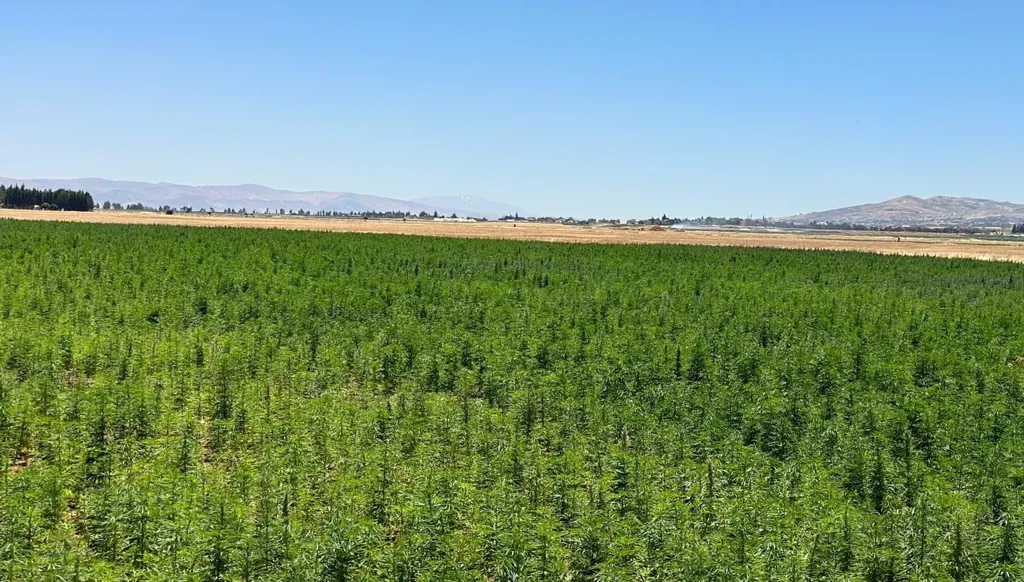


If you hear about the formation of a committee to develop the onion and garlic sectors in Lebanon, it may seem amusing at first glance. But what if you knew that Lebanon needs around 7,000 tons of garlic every year, which is about 20 tons per day, in addition to an even greater demand for onions, while farmers produce only about 1,200 tons per year?
While Agriculture Minister Nizar Hani confirms in an interview with Annahar newspaper that Lebanese farmers are capable of increasing local production, a key question arises: why does Lebanon still import large quantities of these two products, and what is the actual role of the new committee?
Production of garlic and onions in Lebanon
Historically, Lebanon produced between 800 and 1200 tons of garlic per year, while local demand reaches around 7000 tons, which requires importing the remaining quantities from China, in addition to small amounts from Syria and Jordan, according to Hani.
Garlic production is mainly concentrated in the Bekaa region, especially northern Bekaa, due to the suitability of its dry soil for this crop, while smaller quantities are cultivated in Akkar and Mount Lebanon.
As for onions, the minister explains that Lebanon produces around 120,000 tons annually, while it imports between 10,000 and 12,000 tons to meet local market demand, most of which comes from Egypt. However, this year saw a decrease in import volumes due to improved local production.
In this context, Hani stresses that the gap between production and demand has led the ministry to work on developing garlic and onion cultivation, given Lebanon’s ability to increase their production, as well as the specific importance of garlic within crop rotation and its technical benefits for farmers. Therefore, the committee was formed with the participation of major garlic farmers and economic experts to study the sector and develop a plan for its improvement.
He also explains that economic studies have shown garlic to be a high value added crop, as one ton of potatoes sells for around 250 dollars, while one ton of garlic reaches between 1250 and 1300 dollars even before processing, making it a more economically viable crop.
Based on this, the committee has developed a roadmap aimed at increasing garlic production from around 1200 tons to 5000 tons within three years. The minister also states that results have already begun to appear quickly, with production rising this year to around 3500 tons, nearly three times more within one year, thanks to technical support, protection of local production, and incentives provided to farmers.
Among the key measures is the exemption of garlic seeds from customs duties in cooperation with the Ministry of Finance and the Customs Administration, after they were previously treated as if they were garlic intended for consumption. Hani says this measure reduces thousands of dollars in costs for farmers and serves as a direct incentive to expand production.
He reveals that Lebanon has not imported garlic during the past three months, as local quantities have become sufficient to cover market needs, considering that the main goal is to achieve self-sufficiency and then move toward exports, similar to what has been achieved in the carrot sector, which now meets about 80 percent of local market demand.
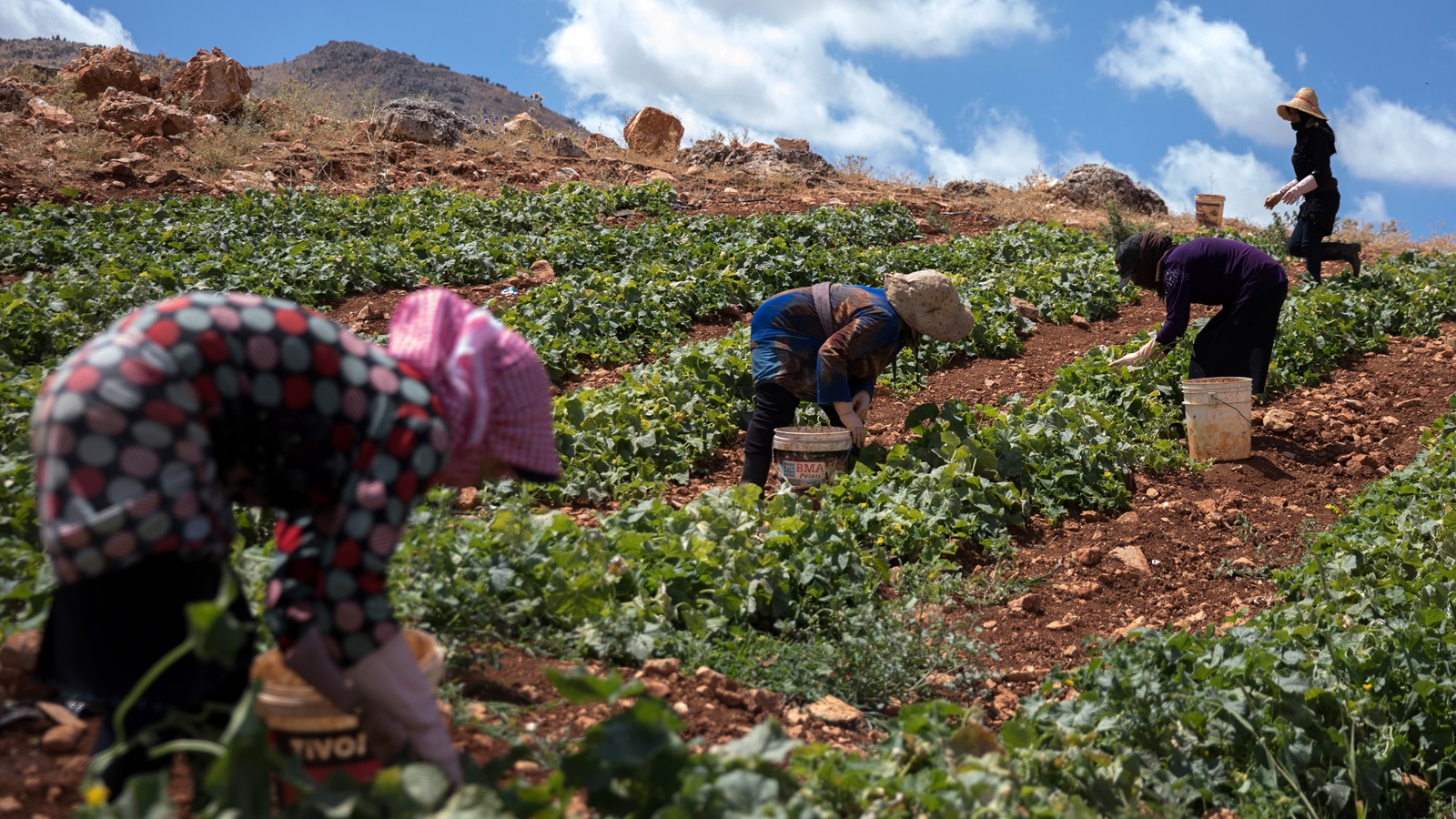
Agricultural sector committees for developing the agricultural sector
Regarding the work of the committee, Hani explains that it “falls within a series of sectoral committees that we have formed at the ministry and are working to activate in order to develop different agricultural production value chains. These bring all relevant stakeholders together around one table, including farmers, manufacturers, exporters, and specialized ministry staff, in addition to representatives from other ministries or departments when needed, within the principle of participatory governance aimed at involving all parties in decision making and developing the agricultural sector.”
Hani points out that the task of each committee is to prepare a roadmap for the sector it represents, including its essential needs in terms of support, regulatory decisions, legislation, and international relations. He stresses that the outcomes of the work of 23 sectoral committees so far have formed one of the key pillars of the national agriculture plan 2026 to 2035.
He further emphasizes that these are voluntary committees working on the basis of expertise and volunteerism, noting that the Ministry of Agriculture currently includes between 270 and 300 experts and volunteers from the private sector, official administrations, agricultural cooperatives, and unions, who work within these sectoral committees. A new committee dedicated to the poultry sector will soon join them.
From this perspective, Hani confirms that the ministry’s policy is based on balancing production with maintaining fair prices for consumers, so that imports are reduced or stopped whenever Lebanon approaches self-sufficiency. He cites the ministry’s decision this year not to allow apple imports during the marketing season, after studies showed that thousands of tons were stored in cold storage facilities, giving priority to marketing local production.
While the formation of a committee for onions and garlic may seem amusing, perhaps because we are not used to seeing ourselves as farmers in a society that labels us as “doctors” and “lawyers,” it is nevertheless a positive step for many farmers who used to see their crops destroyed in their own country while imported produce was sold instead.